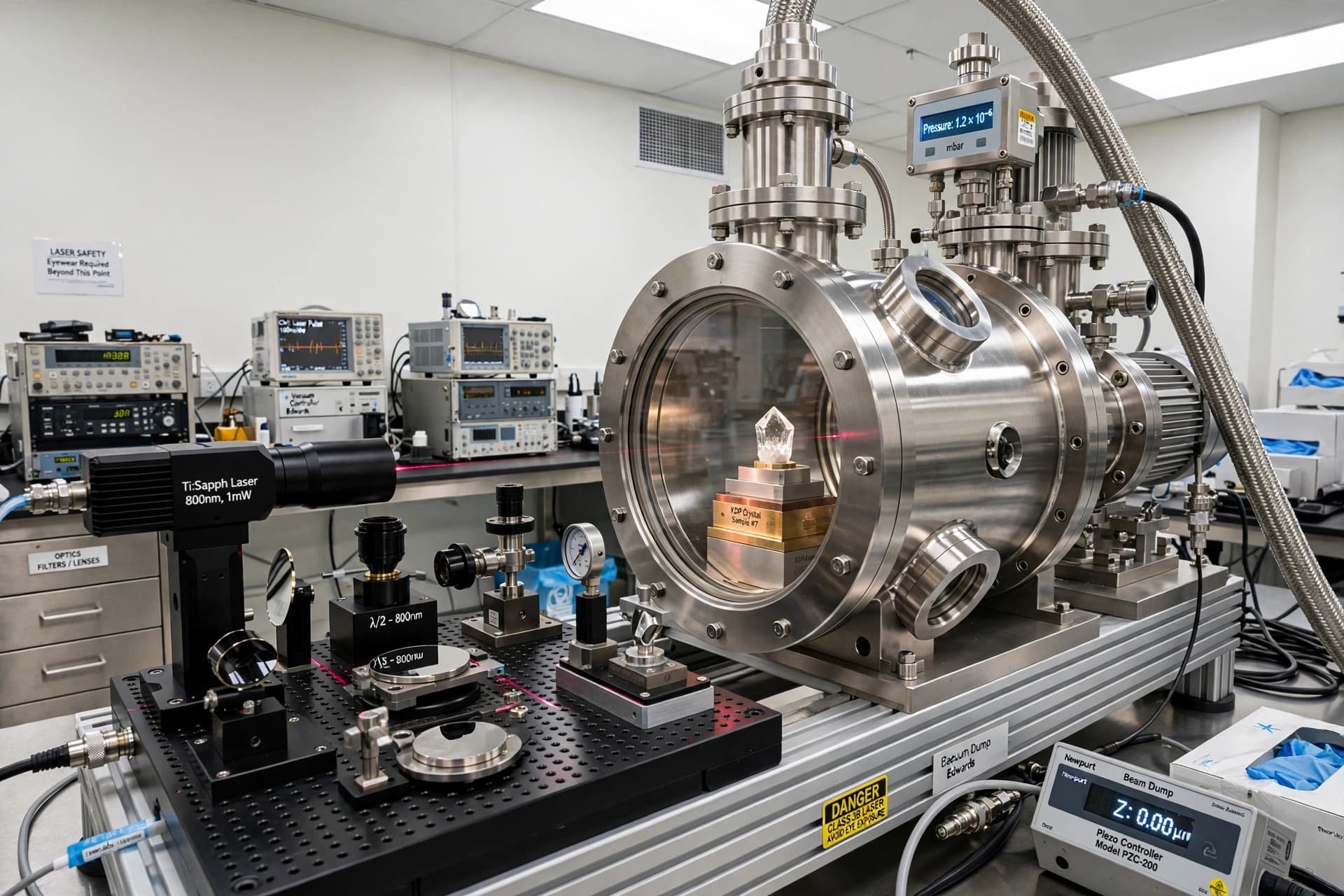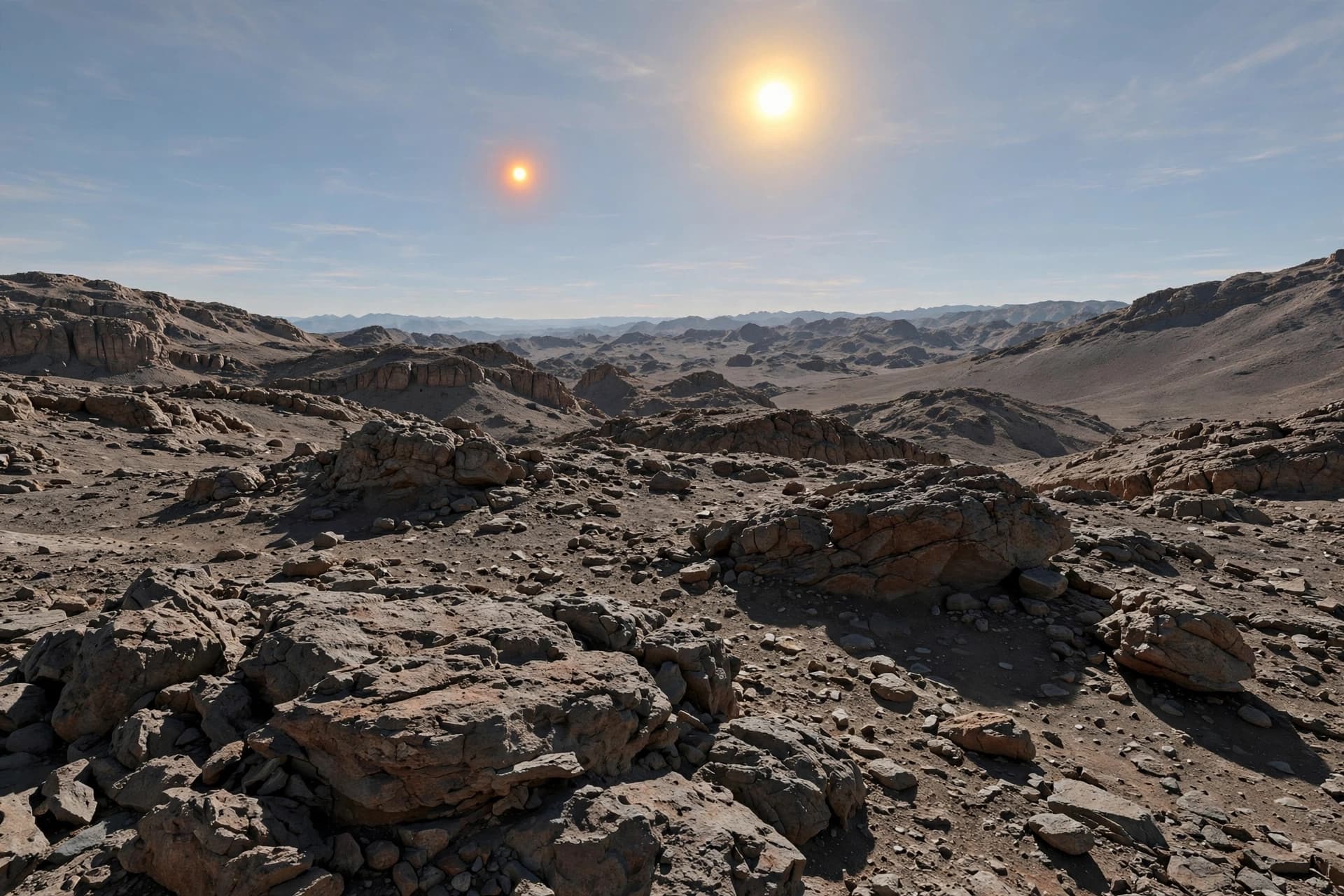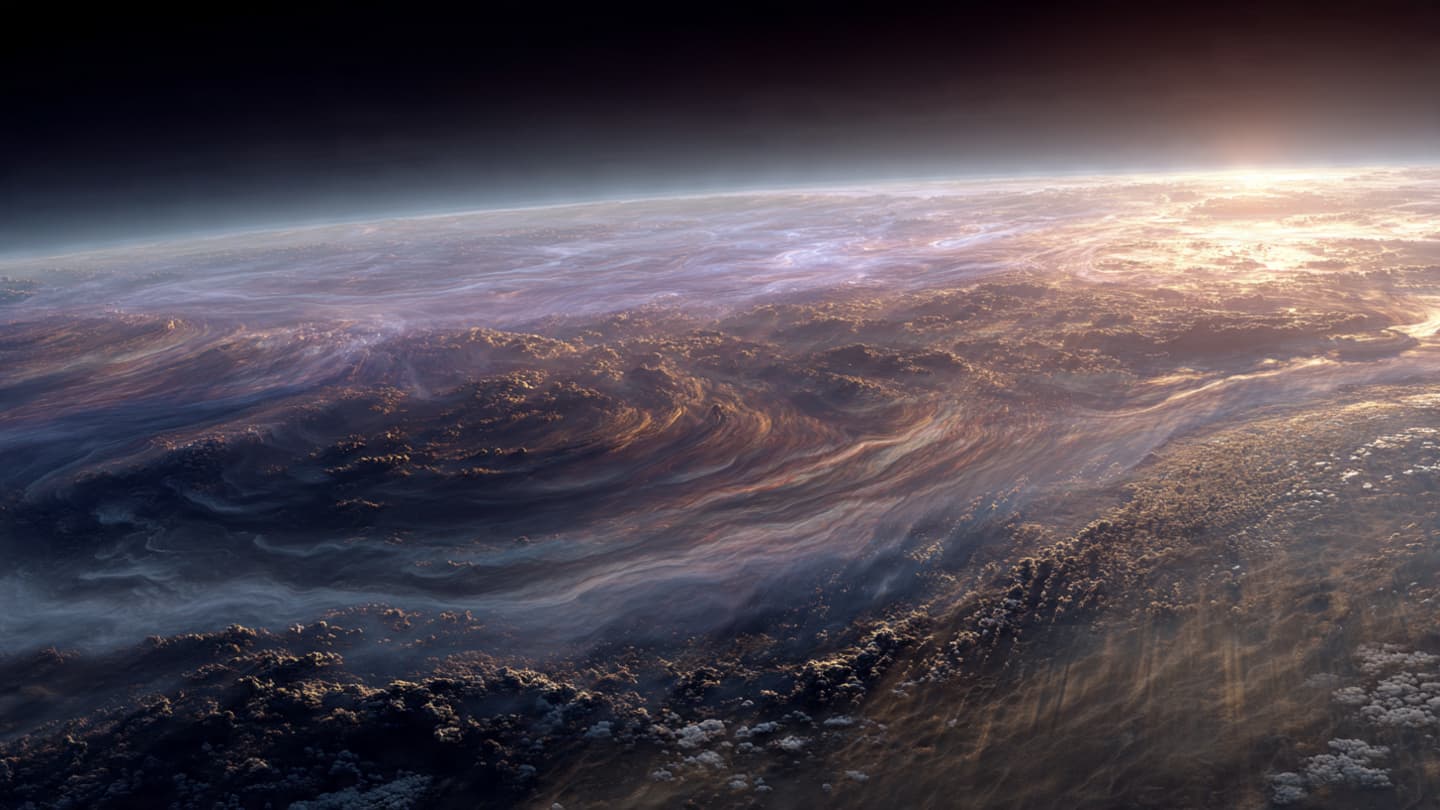
For much of human history, distant planets appeared only as small points of light moving quietly across the night sky. Today, advances in astronomy and computational science are transforming those distant worlds into places scientists can begin to study in remarkable detail. Researchers at the Massachusetts Institute of Technology have introduced a new simulation system called “PlanetWaves,” designed to predict atmospheric wave behavior on planets beyond Earth.
The model was developed to help scientists better understand how atmospheric conditions evolve on different types of planets. Using mathematical simulations and climate physics, PlanetWaves can estimate how winds, temperatures, and atmospheric disturbances interact across alien environments.
Atmospheric waves are important because they influence planetary weather systems, temperature distribution, and climate stability. On Earth, similar atmospheric processes shape jet streams, storms, and seasonal weather patterns. Scientists believe understanding these dynamics on other planets may reveal crucial details about planetary habitability.
Researchers involved in the project explained that exoplanet atmospheres often operate under conditions far more extreme than those found on Earth. Some planets orbit extremely close to their stars, while others experience temperatures and atmospheric pressures unlike anything within the solar system.
The PlanetWaves model aims to simplify and accelerate the analysis of such complex environments. By predicting atmospheric behaviors more efficiently, scientists may improve interpretations of telescope observations collected from distant planetary systems.
The development also reflects the growing role of advanced computing within modern astronomy. Simulations now allow researchers to study environments impossible to visit directly, helping bridge the gap between limited observational data and broader scientific understanding.
As next-generation telescopes continue entering operation, the amount of planetary data available to astronomers is expected to increase dramatically. Scientists believe computational tools like PlanetWaves will become increasingly valuable for interpreting these observations quickly and accurately.
Public interest in exoplanets has grown alongside discoveries suggesting that rocky, Earth-like worlds may exist throughout the galaxy. While many remain too distant for direct exploration, atmospheric analysis offers one of the most promising methods for studying their conditions.
The MIT project represents another step in humanity’s long effort to understand worlds beyond its own. Even across unimaginable distances, mathematics and observation continue bringing distant planets into clearer scientific focus.
AI Image Disclaimer: Some space and scientific visuals accompanying this article may be AI-generated for illustrative representation.
Sources: MIT, NASA, Scientific American
Published by Banx Network. This article is part of the Banx decentralized media programme, powered by the BXE token on the XRP Ledger.