
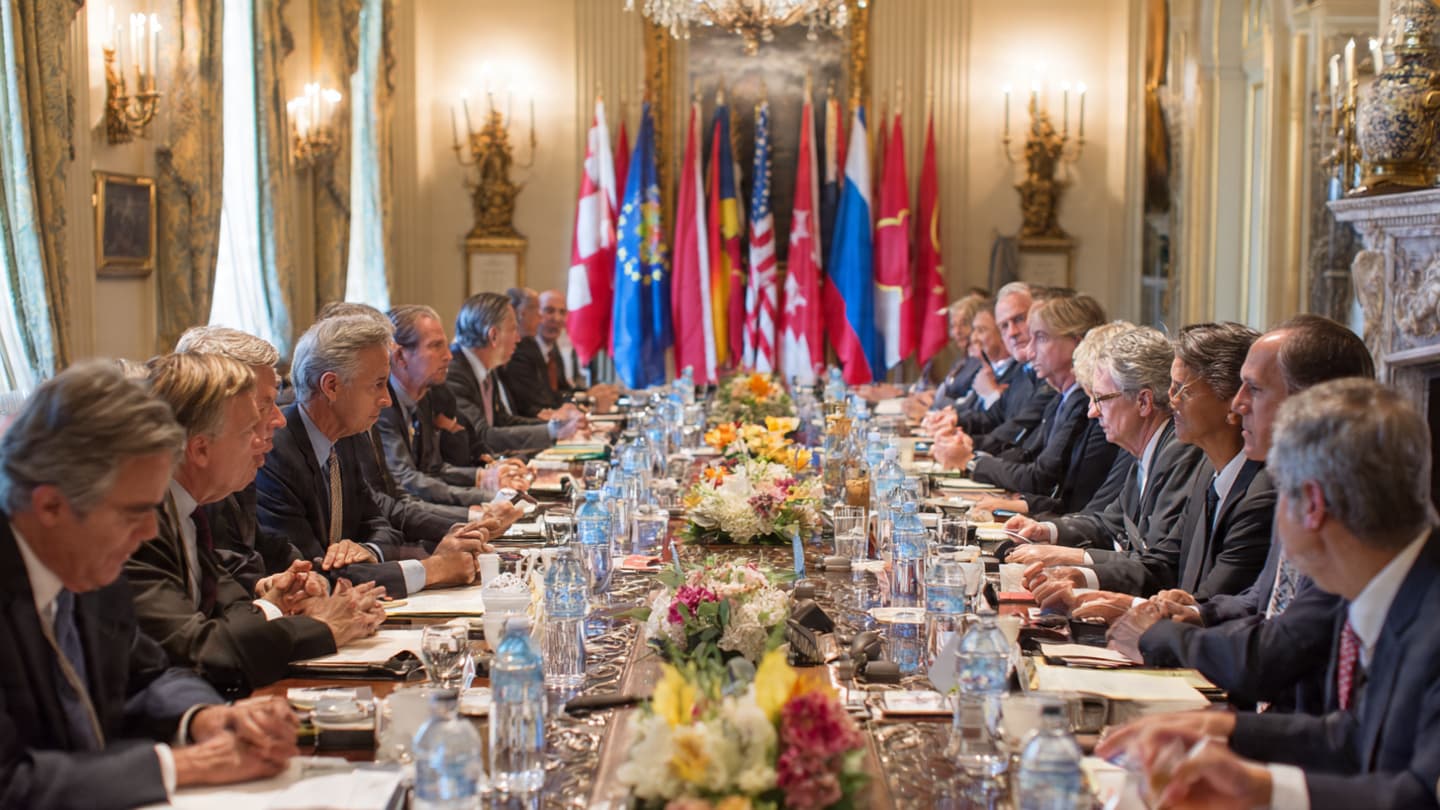
Key Highlights
- Upcoming Visits:Indian Prime Minister Narendra Modi is set to visit France and Slovakia.
- Focus Areas:Discussions will center on trade, technology, and defense cooperation.
- Growing Importance:India is becoming a key partner for European nations seeking new opportunities.
India's approach to diplomacy can be likened to the meticulous construction of a bridge, where each meeting, agreement, and handshake contributes to a robust structure designed to connect diverse interests across borders. As the landscape of global politics continues to shift, India is actively working to strengthen these connections through a series of high-profile engagements in Europe. This initiative underscores the increasing significance of international partnerships in a world that is more interconnected than ever.
Prime Minister Narendra Modi's upcoming visits to France and Slovakia represent a strategic effort to deepen cooperation with European partners. Scheduled for later this month, these trips come at a pivotal moment when trade, technology, defense, and energy security have emerged as central themes in global diplomacy. The discussions are expected to reflect the evolving dynamics of international relations, where countries are seeking to diversify their partnerships and enhance economic resilience.
India's relationship with Europe has seen substantial growth over the past decade. As one of the world's largest economies and a rapidly growing market, India has become an increasingly attractive partner for European nations looking to explore new avenues for investment and collaboration. The significance of this relationship is particularly evident in the context of France, which has long maintained close ties with India, particularly in defense collaboration, aerospace development, and strategic dialogue. During Modi's visit, officials from both countries are anticipated to engage in discussions that encompass a wide range of issues reflecting their shared economic and security interests.
Slovakia, while smaller in scale compared to France, represents another critical opportunity for India to enhance its engagement with Europe. Bilateral discussions are expected to focus on trade opportunities, industrial cooperation, and broader political engagement. This visit is not only about strengthening ties with individual nations but also about reinforcing India's position within the European context as a key player in various sectors.
The diplomatic agenda also mirrors broader geopolitical trends, as governments worldwide are increasingly diversifying their partnerships and seeking resilient economic relationships. In light of shifting global supply chains and evolving security concerns, European leaders have expressed a keen interest in expanding cooperation with India across several sectors, including renewable energy, digital innovation, advanced manufacturing, and infrastructure development. These areas are becoming foundational for modern international partnerships, reflecting the changing nature of diplomacy in the 21st century.
Moreover, observers note that contemporary diplomacy extends beyond traditional political discussions. Economic competitiveness, technological advancement, and sustainable development are now integral components of statecraft, shaping how countries define and pursue long-term strategic relationships. As the diplomatic agenda unfolds, both India and its European counterparts appear committed to strengthening cooperation through practical initiatives that can yield tangible outcomes.
In conclusion, the upcoming visits by Prime Minister Modi to France and Slovakia signify a concerted effort to deepen ties between one of Asia's leading powers and the European continent. The outcomes of these discussions may contribute significantly to a broader strategy aimed at enhancing India's role in global affairs and fostering stronger international partnerships.
Published by Banx Network. This article is part of the Banx decentralized media programme, powered by the BXE token on the XRP Ledger.



