
Key Highlights
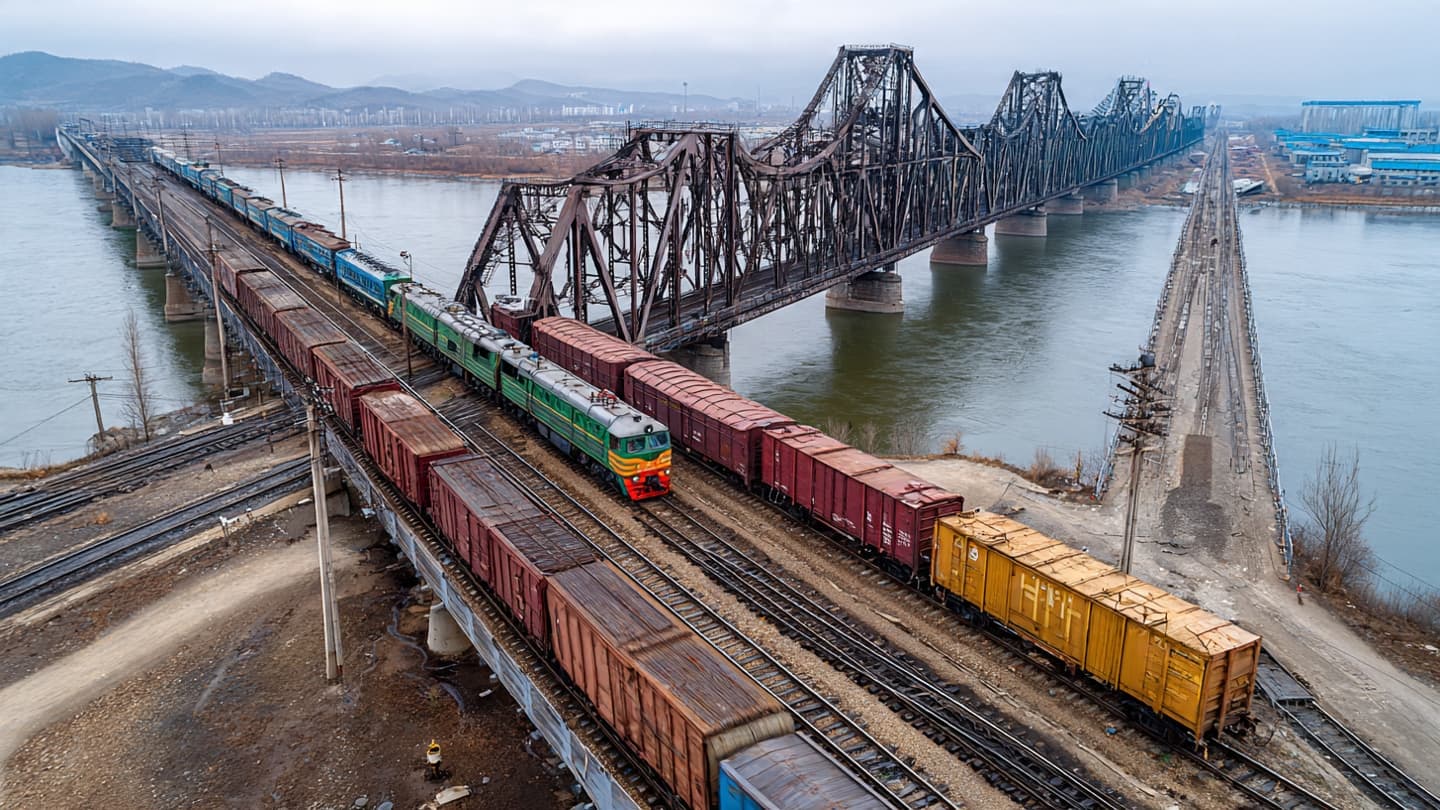
- New Infrastructure:North Korea and Russia are expanding cooperation on transportation and logistics.
- Geopolitical Context:The partnership emerges amid international sanctions and shifting global dynamics.
- Economic Implications:Enhanced ties could improve trade access for North Korea despite existing constraints.
Recent developments indicate a significant shift in the diplomatic landscape between North Korea and Russia, as both nations seek to bolster their cooperation through infrastructure projects. These initiatives are not merely about building roads and bridges; they symbolize a deeper political and economic partnership that could reshape regional dynamics.
Reports suggest that Moscow and Pyongyang are actively working on enhancing their transportation links and logistical networks. This collaboration is particularly noteworthy given the backdrop of ongoing international sanctions against North Korea, which have severely limited its economic interactions with the global community. The renewed focus on infrastructure is seen as a strategic move to strengthen bilateral ties and improve cross-border connectivity.
Officials from both countries have publicly emphasized the importance of these infrastructure projects. They argue that improving existing railway links and transport corridors will facilitate trade and enhance regional logistics. Analysts believe that such developments could lead to a more integrated economic relationship, allowing North Korea to access external markets more effectively.
However, experts caution that many of these proposed initiatives will encounter significant practical and financial challenges. The international community remains vigilant, with several Western governments expressing concerns about the implications of closer ties between Moscow and Pyongyang. The potential for increased trade and cooperation raises alarms about the broader geopolitical consequences, particularly in the context of North Korea's nuclear ambitions.
For Russia, strengthening ties with North Korea could provide additional diplomatic leverage in Asia, especially as global dynamics continue to evolve. The Kremlin may view this partnership as an opportunity to counterbalance Western influence in the region. Both nations assert that their cooperation aligns with their national interests and existing bilateral agreements, but the long-term viability of these projects remains uncertain.
As discussions progress, the infrastructure initiatives between North Korea and Russia serve as a visible indicator of their evolving relationship. The impact of these developments will be closely monitored by analysts and policymakers alike, as they could have far-reaching consequences for regional stability and international relations.
The future of this partnership hinges on the ability of both countries to navigate the complexities of international sanctions and economic realities. While the potential benefits of enhanced cooperation are clear, the path forward is fraught with challenges that could hinder their ambitions.
Published by Banx Network. This article is part of the Banx decentralized media programme, powered by the BXE token on the XRP Ledger.



