The border between Pakistan and Afghanistan has become a place where unresolved security disputes can quickly turn into violence. That pattern continued overnight as Pakistani aircraft struck locations in Afghanistan, producing sharply different accounts from the two governments about who was killed and what was targeted.
Pakistan carried out airstrikes in Afghanistan's Helmand and Kunar provinces, according to both sides. The United Nations Assistance Mission in Afghanistan said at least 10 civilians were killed, most of them children, and nine people were injured. The Taliban government said the strikes destroyed civilian homes and reported nine deaths and 11 injuries in its initial account.
Pakistan's Ministry of Information gave a different account. It said the strikes targeted militant hideouts and camps and that initial reports indicated 22 militants had been killed. Pakistan said the operations were carefully planned and that weapons and ammunition had also been destroyed. The reported militant casualty figure could not be independently verified.
The competing accounts reflect the broader dispute between the neighboring governments. Pakistan accuses Afghanistan's Taliban government of allowing the Pakistani Taliban, or TTP, to operate from Afghan territory and carry out attacks inside Pakistan. Kabul rejects the accusation and denies providing the group with a safe haven.
The TTP is separate from Afghanistan's Taliban government but is allied with the Afghan Taliban. Pakistan has repeatedly cited attacks by the group as a reason for military operations across the border. Afghanistan, meanwhile, has accused Pakistan of violating its sovereignty and striking civilian areas. The continuing disagreement has made independent verification of battlefield claims especially important.
The latest strikes are part of a much wider deterioration in relations during 2026. Pakistan has carried out repeated airstrikes inside Afghanistan as cross-border fighting has intensified. The two countries have also attempted diplomatic efforts to contain the violence, but previous periods of calm have not produced a lasting settlement.
The United Nations has warned that civilians are paying a growing price. UNAMA said last week that it had documented more than 1,100 civilian deaths and injuries in Afghanistan from cross-border violence during the year. Its latest statement again called for de-escalation, dialogue, respect for international law, and measures to prevent further civilian harm.
Images and eyewitness accounts from the affected areas showed damaged homes and people examining rubble after the strikes. The Associated Press reported that residents in Kunar described people being trapped beneath collapsed structures. Such accounts provide a human dimension to casualty figures, although they do not by themselves resolve the competing claims about the intended targets of the attacks.
The immediate facts are therefore serious but still developing: Pakistan acknowledged conducting the strikes; Afghanistan and the United Nations reported civilian deaths; Pakistan said it targeted militants; and neither side's complete casualty account has been independently verified. With tensions already high along the border, the latest attacks add another difficult chapter to a conflict whose consequences are increasingly reaching civilians.
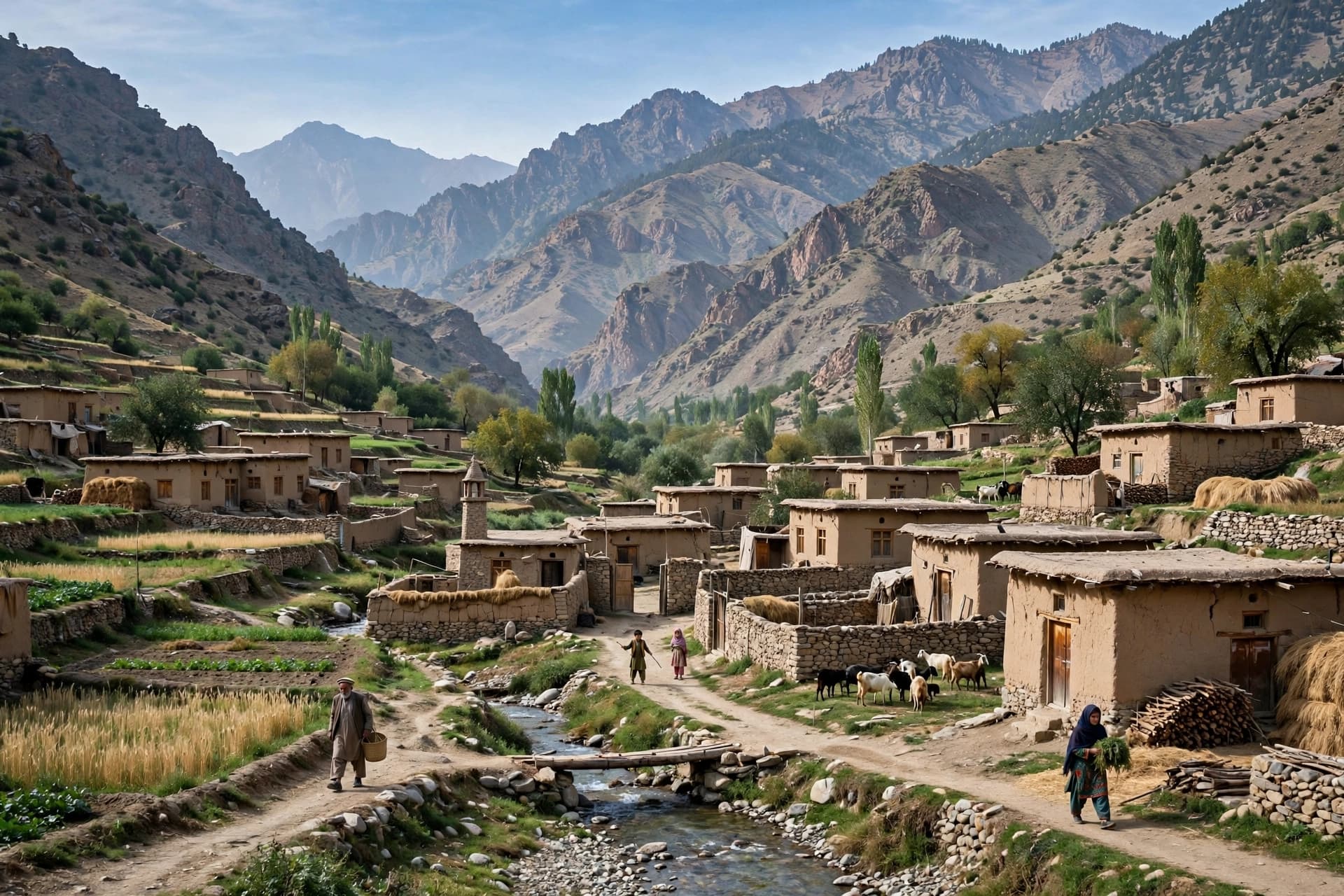
AI Image Disclaimer: This image is AI-generated for editorial illustration and does not portray the actual airstrikes or victims.
Sources: Associated Press; Al Jazeera; Reuters; United Nations Assistance Mission in Afghanistan; DW
Published by Banx Network. This article is part of the Banx decentralized media programme, powered by the BXE token on the XRP Ledger.