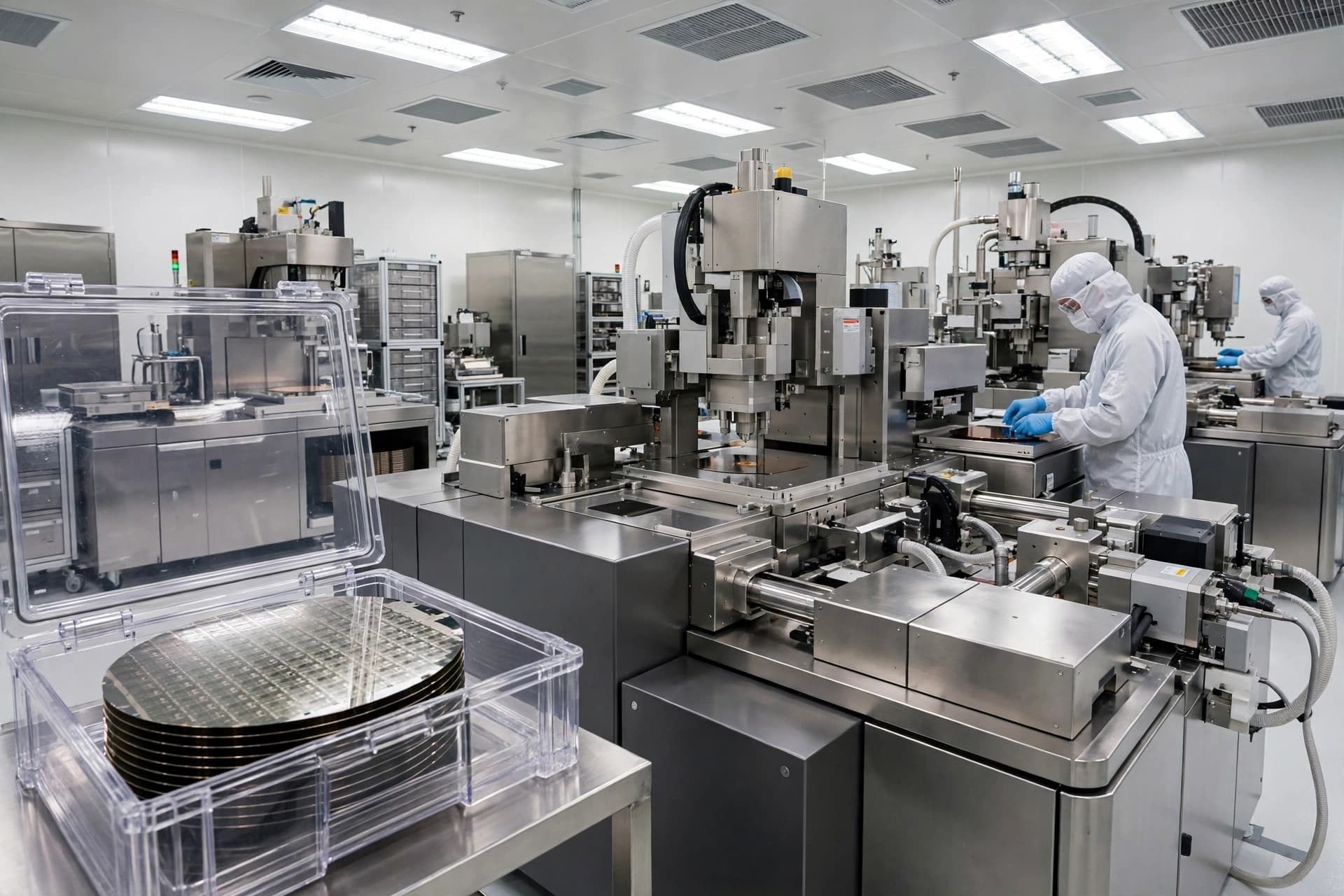
A team of engineers has unveiled a new approach to 3D printing that broadens the possibilities for manufacturing with metals that exceed the hardness of many conventional steels, marking a potential turning point for industries from aerospace to medical devices.
Traditional metal additive manufacturing typically uses lasers or electron beams to melt powdered metals layer by layer, producing parts that are lighter and more customizable than those made by casting or forging. However, these processes have often been constrained by the mechanical limits of printable materials — especially when strength and hardness are critical.
Researchers at Hiroshima University in Japan have developed a method capable of producing parts from tungsten carbide–cobalt (WC–Co) that register significantly higher hardness than typical steel alloys used in structural and tooling applications. Rather than completely melting the feedstock, the technique involves pre‑heating metal wire and applying focused laser energy just enough to bind the material without destroying its internal microstructure. This preserves strength and reduces waste.
The resulting material has been measured at a hardness exceeding 1,400 on the Vickers hardness scale, a metric commonly used to evaluate a material’s resistance to deformation. By comparison, many high‑grade steels max out at lower ratings, meaning the new process could eventually make components that stand up to far more intense wear and stress.
Experts in additive manufacturing see broader implications. Materials research groups in Europe have also been exploring techniques that combine innovative templates with conventional printing processes to create ultra‑strong metal lattices that outperform standard prints. These advances point to a wider shift in how engineers think about designing and fabricating structural parts, not just replicating existing shapes.
Industrial interest is already high. Harder, wear‑resistant metals are vital for tooling, cutting equipment, and high‑stress machine components. In aerospace and automotive sectors, where weight and performance are critical, the ability to print hard metals with complex geometries could streamline supply chains and cut production times. Additive processes that preserve material integrity while minimizing waste also align with sustainability goals in manufacturing.
While the research is still advancing toward commercial use and peer‑reviewed publication, early indications suggest that additive manufacturing may soon move beyond prototyping and into a new era of heavy‑duty production. As techniques evolve, engineers and manufacturers will be watching closely to see how these stronger, more resilient printed metals perform in real‑world applications.
AI Image Disclaimer
AI image generation may be used to create illustrative visuals that represent described scenes, not actual event photos.
Sources
Reuters BBC SlashGear ScienceDaily Tom’s Hardware
Published by Banx Network. This article is part of the Banx decentralized media programme, powered by the BXE token on the XRP Ledger.