Dutch authorities have moved to ban access to Polymarket, the online prediction platform, citing concerns that it offers gambling services without proper authorization under national law.
The decision reflects the Netherlands’ strict regulatory framework governing betting and online wagering. Since reforming its gambling laws in recent years, the country has required operators to obtain a local license before offering betting services to Dutch residents. Regulators have consistently warned that platforms failing to comply with these requirements could face enforcement action, including fines or blocking measures.
Polymarket operates as a prediction market platform where users trade on the outcomes of political, economic, and cultural events. While supporters describe such platforms as innovative financial instruments that aggregate public expectations, regulators in several jurisdictions have scrutinized them as forms of wagering. The distinction between financial speculation and gambling has increasingly drawn regulatory attention, particularly when real money is involved.
In the Netherlands, enforcement responsibility lies with the national gambling authority, which has previously taken action against unlicensed online casinos and betting providers targeting Dutch users. Officials have argued that strict oversight is necessary to protect consumers, prevent money laundering, and ensure fair market practices.
The move against Polymarket also comes amid broader international scrutiny of prediction markets. In the United States and other regions, authorities have debated whether event-based contracts tied to elections or public policy fall under commodities regulation, securities law, or gambling statutes. The regulatory landscape remains complex, with different jurisdictions taking varied approaches.
For Dutch users, the ban may result in restricted access to the platform through internet service providers or payment limitations, though enforcement mechanisms are typically handled at the regulatory level. Companies operating in the European Union face an increasingly coordinated environment, where compliance with national licensing frameworks is central to maintaining market access.
The decision underscores a broader theme in digital regulation: governments are moving more assertively to define the legal boundaries of emerging online platforms. As prediction markets continue to grow in visibility, particularly during major political cycles, regulatory clarity is likely to remain a point of tension between innovation and oversight.
Whether Polymarket seeks licensing adjustments, challenges the ruling, or shifts its operational model remains to be seen. For now, the Netherlands has signaled that online betting activities must fall squarely within its established legal framework.
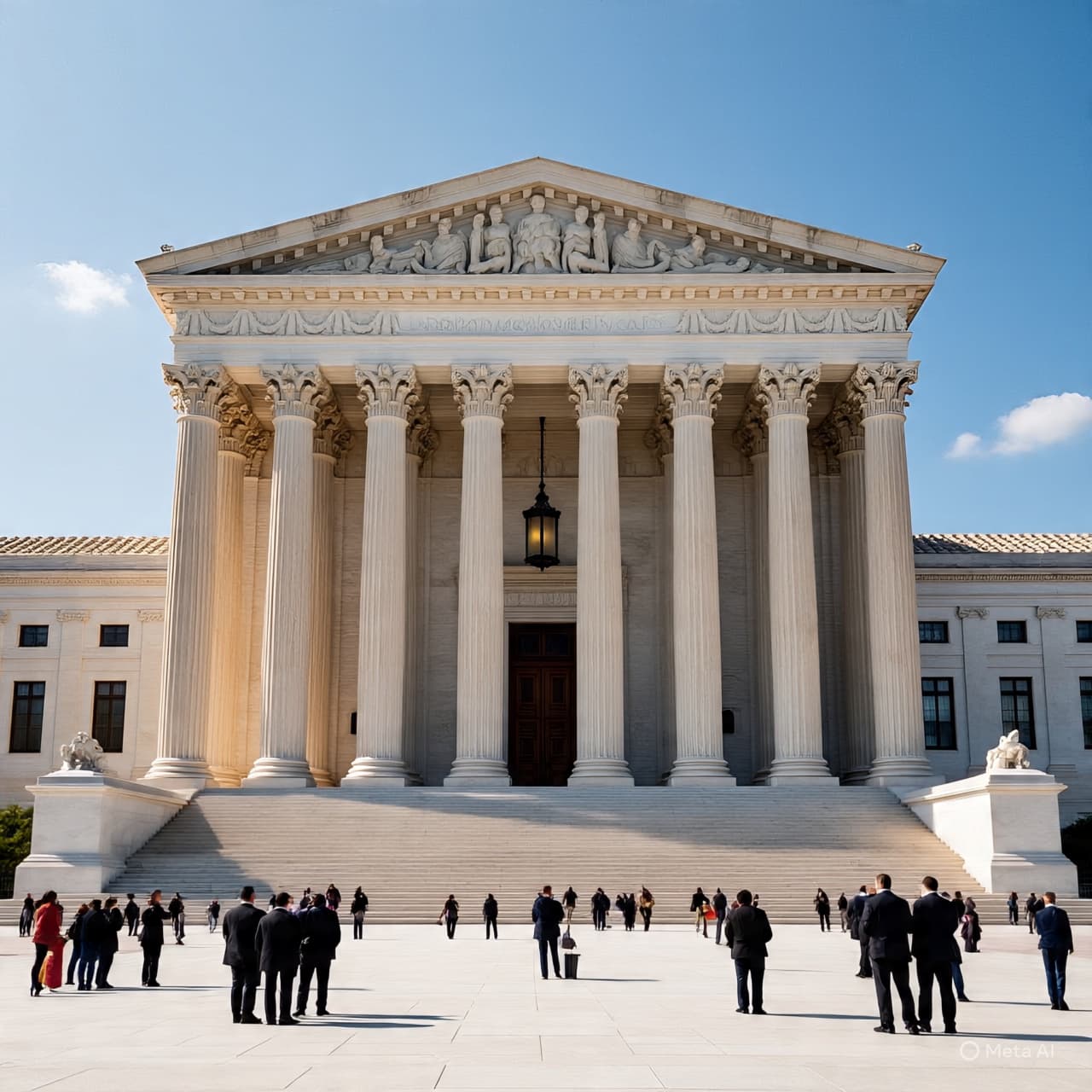
AI Image Disclaimer Some images used in this article may be digitally generated for illustrative purposes only.
Published by Banx Network. This article is part of the Banx decentralized media programme, powered by the BXE token on the XRP Ledger.