
Key Highlights
- Netanyahu opposes U.S. sale of F-35 jets to Turkey, citing regional stability concerns.
- He acknowledges occasional disagreements with Trump on Iran policy.
- Netanyahu warns that Turkey's acquisition of advanced jets could lead to increased aggression in the Middle East.
Israeli Prime Minister Benjamin Netanyahu recently spoke with CNN, where he addressed several pressing issues regarding U.S. foreign policy, particularly concerning Turkey and Iran. In the interview, Netanyahu emphasized that he and U.S. President Donald Trump generally align on major geopolitical matters, although he did acknowledge that there have been some “occasional disagreements,” particularly regarding Iran's nuclear ambitions. He expressed caution about any potential ceasefire with Iran, stating it is “too early” to assess the outcomes of such negotiations.
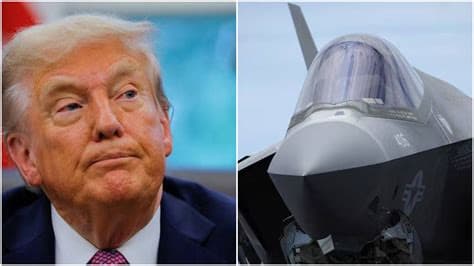
During the conversation, Netanyahu made a strong case against the potential sale of F-35 fighter jets to Turkey, a topic that has gained traction following Trump's indication that the U.S. might reconsider sanctions on Ankara. Netanyahu warned that providing Turkey with fifth-generation aircraft would “destroy the power balance in the Middle East.” He articulated concerns that Turkey, under President Recep Tayyip Erdoğan, has “aggressive aspirations” that could escalate if granted advanced military capabilities.
Netanyahu's remarks come at a time when U.S.-Turkey relations are under scrutiny, especially in light of Turkey's recent military actions and its role in regional conflicts. He described Turkey as not being a “model ally” for the United States, criticizing its regional posture and suggesting that the sale of F-35 jets would only embolden Turkey's military ambitions.
The Israeli Prime Minister's comments reflect a broader apprehension among Israeli officials regarding Turkey's increasing military capabilities and its implications for regional security. Netanyahu's stance is particularly significant given the historical context of U.S. arms sales and their impact on Middle Eastern geopolitics.
As the U.S. administration weighs its options regarding Turkey, Netanyahu's opposition to the F-35 sale underscores the complexities of international relations in the region. The potential sale has sparked debate among U.S. lawmakers and defense experts, who are divided on the implications of such a transaction.
In conclusion, Netanyahu's interview with CNN highlights the delicate balance of power in the Middle East and the intricate dynamics of U.S.-Turkey-Israel relations. As discussions continue, the outcomes of these geopolitical maneuvers will likely have lasting effects on regional stability and security.
Published by Banx Network. This article is part of the Banx decentralized media programme, powered by the BXE token on the XRP Ledger.



