
Key Highlights
- Netanyahu expresses willingness for peace talks with Lebanon.
- European leaders condemn ongoing Israeli military actions.
- Potential negotiations could shift regional dynamics.
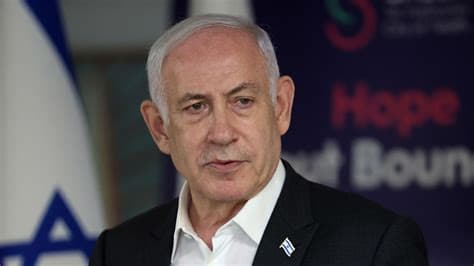
In a recent address, Israeli Prime Minister Benjamin Netanyahu signaled a willingness to engage in peace talks with Lebanon, despite the backdrop of ongoing military operations that have drawn significant criticism from European leaders. This move comes as tensions escalate in the region and casualties continue to mount.
Netanyahu emphasized the importance of dialogue, stating, "We must explore every avenue for peace while ensuring the security of our nation." His remarks suggest a strategic pivot towards diplomacy, following a prolonged period of conflict and military operations that have raised humanitarian concerns. The Israeli government has faced increasing pressure to address the humanitarian impact of its actions, particularly from European nations.
European nations have been vocal in their condemnation of Israel's current bombing campaigns, urging for an immediate ceasefire and advocating for a return to dialogue. Leaders from countries such as France and Germany have expressed deep concern over the humanitarian impact of the ongoing violence, calling for measures that prioritize the protection of civilian lives. This international outcry reflects a growing frustration with the cycle of violence that has characterized the region for decades.
The potential for peace talks introduces a complex layer to an already intricate situation. Lebanon, particularly via its political and military group Hezbollah, has historically taken a confrontational stance against Israel. However, the emerging possibility of negotiations could signal a shift in regional dynamics, depending on both sides' willingness to engage sincerely. Analysts suggest that Netanyahu's overture may be an attempt to alleviate international pressure while also addressing internal calls for a more diplomatic approach.
Netanyahu's comments have sparked a variety of reactions within Israel and Lebanon. While some see this as a hopeful step towards de-escalation, others remain skeptical, citing past negotiations that have repeatedly faltered. The history of Israeli-Lebanese relations is fraught with mistrust, and many are cautious about the sincerity of Netanyahu's intentions.
As European countries continue to advocate for diplomatic solutions, the international community is watching closely to see whether these signals from Netanyahu will translate into tangible actions. The focus remains on advancing peace and stability in a region long plagued by conflict, while addressing the urgent humanitarian needs of those affected by the violence. The coming weeks will be critical in determining whether this diplomatic overture can lead to meaningful dialogue or if it will be overshadowed by ongoing military actions.
Published by Banx Network. This article is part of the Banx decentralized media programme, powered by the BXE token on the XRP Ledger.



