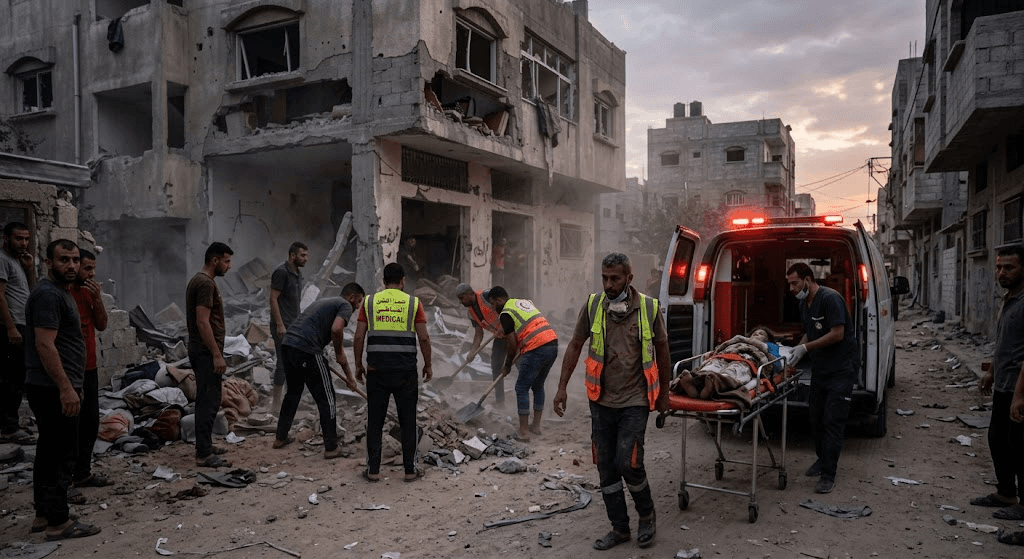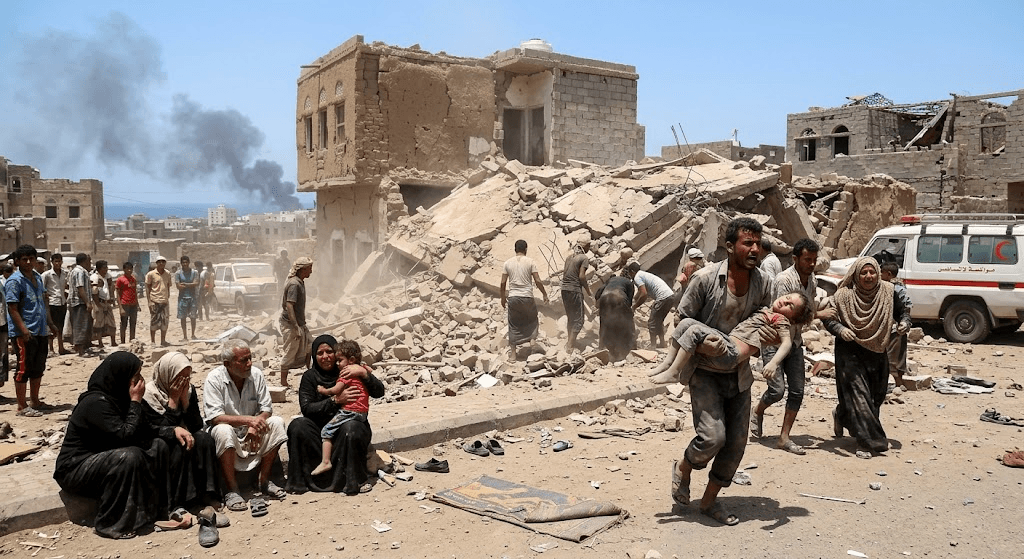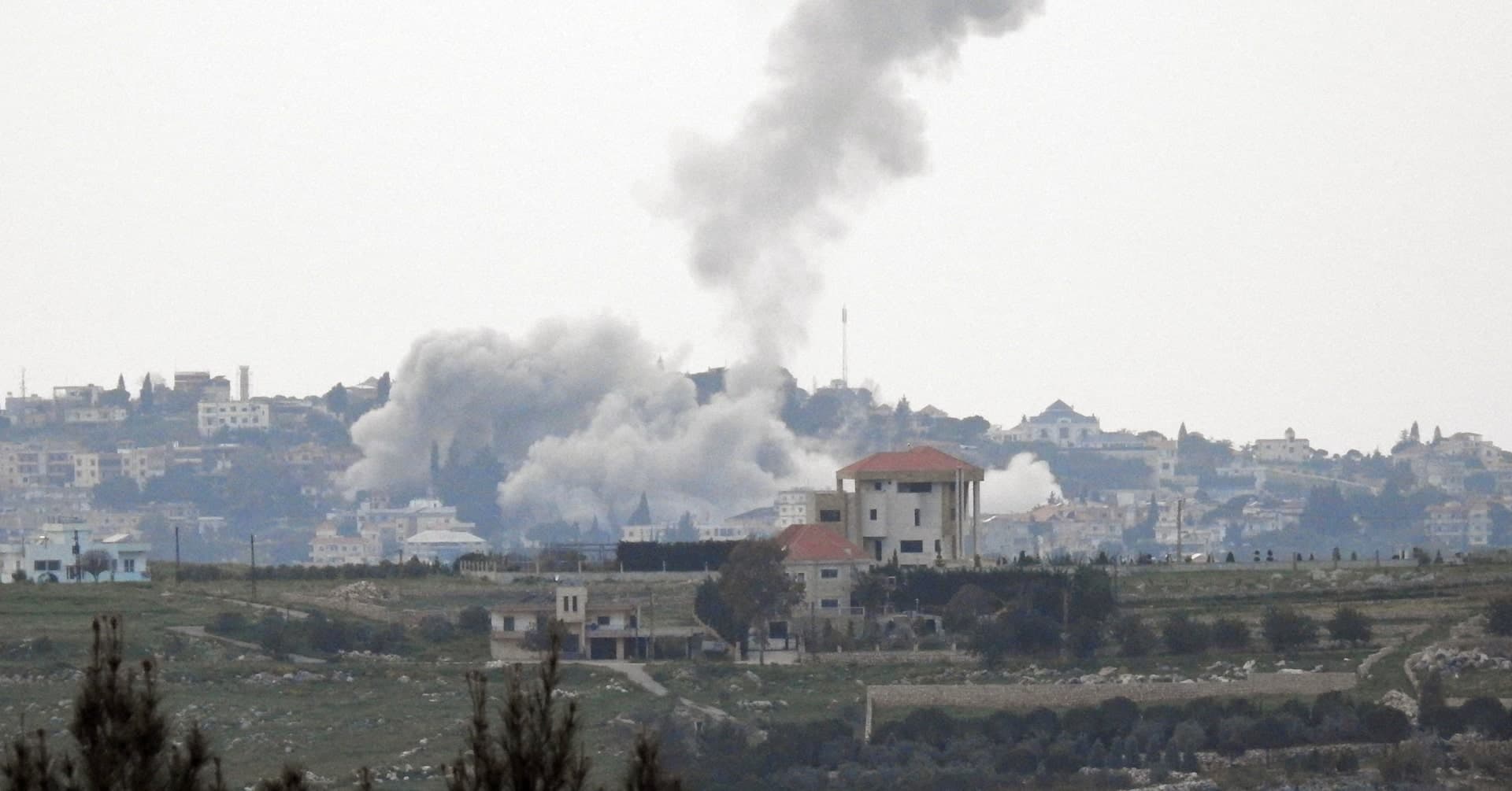
In a significant decision, Prime Minister Benjamin Netanyahu has ordered the expansion of the security buffer zone in southern Lebanon. This move comes in response to escalating tensions and increasing threats from militant groups operating along the border.
The expanded buffer zone is intended to provide additional layers of protection for Israeli citizens and infrastructure against possible incursions or attacks. Netanyahu emphasized the importance of this measure in safeguarding national security, particularly in light of the intensified rhetoric and military activities from hostile factions.
Military analysts suggest that the expansion could also serve to deter militant groups by establishing a stronger Israeli presence in the area. This decision reflects Israel's long-standing strategy of maintaining a proactive approach to border security, especially in regions that have seen historical conflicts.
However, this move is not without controversy. Critics argue that an expanded military footprint may exacerbate tensions with Lebanese communities and could provoke retaliatory actions from militant groups. The potential for increased conflict remains a significant concern, as both sides navigate a complex and volatile relationship.
As the security situation evolves, Netanyahu's directives underscore the ongoing challenges facing Israel in balancing national security needs with regional stability. The international community is closely monitoring these developments, highlighting the necessity for diplomatic dialogue to address underlying tensions in the region.
Published by Banx Network. This article is part of the Banx decentralized media programme, powered by the BXE token on the XRP Ledger.