
Key Highlights
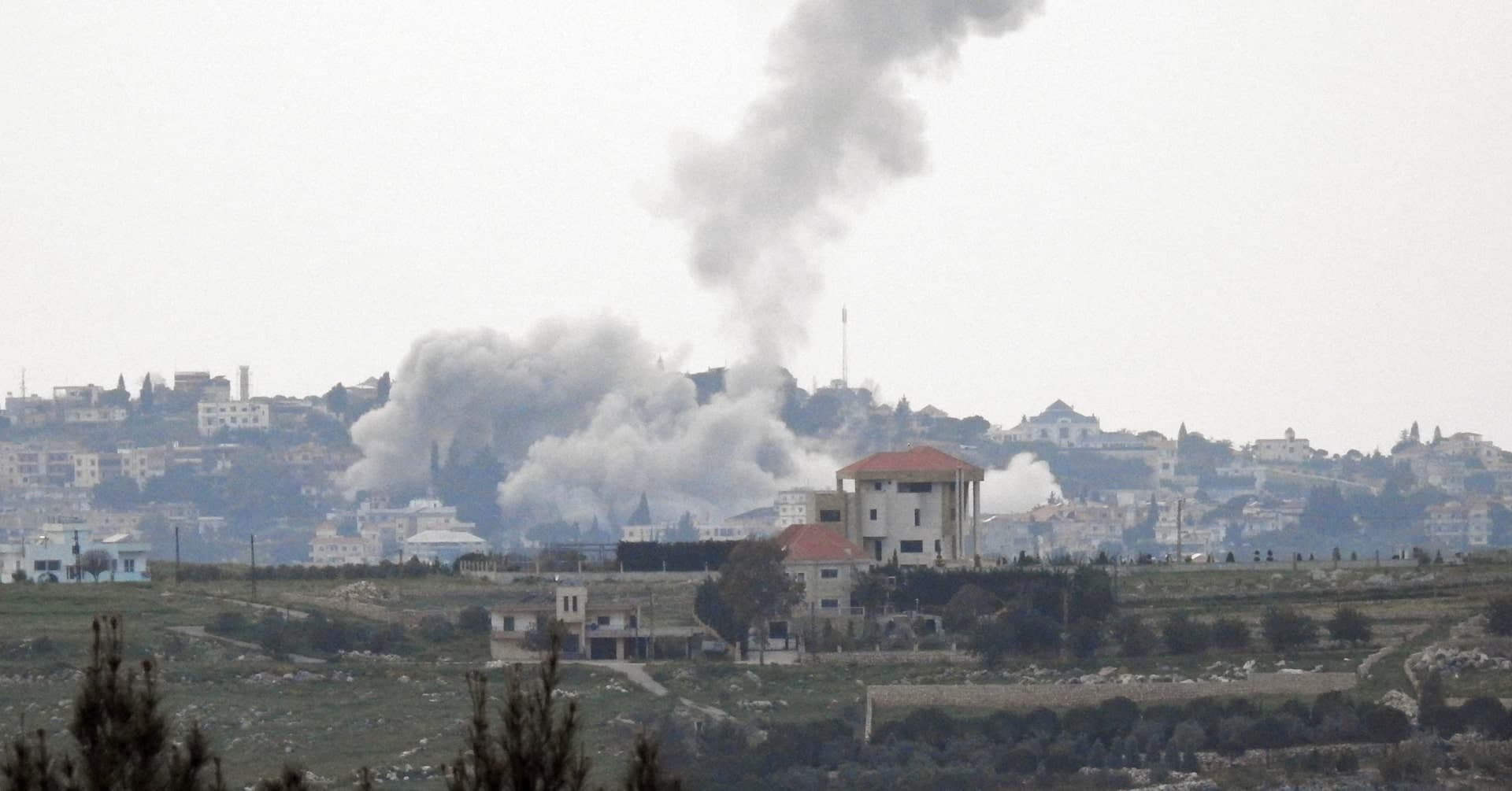
- Netanyahu's Decision: Prime Minister Benjamin Netanyahu has ordered the expansion of the security buffer zone in southern Lebanon.
- Response to Threats:This move is a direct response to escalating tensions and threats from militant groups along the border.
- Controversial Implications:Critics warn that this expansion may provoke further conflict with Lebanese communities.
In a significant decision, Prime Minister Benjamin Netanyahu has ordered the expansion of the security buffer zone in southern Lebanon. This strategic move comes as tensions escalate and threats from militant groups operating along the Israel-Lebanon border increase. The decision reflects Israel's ongoing efforts to enhance national security in a region marked by historical conflicts and instability.
The expanded buffer zone aims to provide additional layers of protection for Israeli citizens and critical infrastructure against potential incursions or attacks. Netanyahu emphasized the importance of this measure, stating that it is essential for safeguarding national security, particularly in light of the intensified rhetoric and military activities from hostile factions in the area.
Military analysts suggest that the expansion could also serve to deter militant groups by establishing a stronger Israeli presence in southern Lebanon. This proactive approach aligns with Israel's long-standing strategy of maintaining security along its borders, especially in regions that have historically been flashpoints for conflict. The Israeli Defense Forces (IDF) are expected to increase their operations in the area as part of this initiative.
However, this decision is not without controversy. Critics argue that an expanded military footprint may exacerbate tensions with local Lebanese communities and could provoke retaliatory actions from militant groups. The potential for increased conflict remains a significant concern, as both sides navigate a complex and volatile relationship. Observers note that the expansion could lead to a cycle of violence, further destabilizing the region.
As the security situation evolves, Netanyahu's directives underscore the ongoing challenges facing Israel in balancing national security needs with regional stability. The international community is closely monitoring these developments, emphasizing the necessity for diplomatic dialogue to address the underlying tensions in the region. The expansion of the buffer zone may also impact Israel's relations with neighboring countries and influence broader geopolitical dynamics in the Middle East.
In conclusion, Netanyahu's order to expand the security buffer zone in southern Lebanon is a critical development that reflects the heightened security concerns in the region. As Israel continues to confront threats from militant groups, the implications of this decision will be closely watched by both regional stakeholders and the international community.
Published by Banx Network. This article is part of the Banx decentralized media programme, powered by the BXE token on the XRP Ledger.



