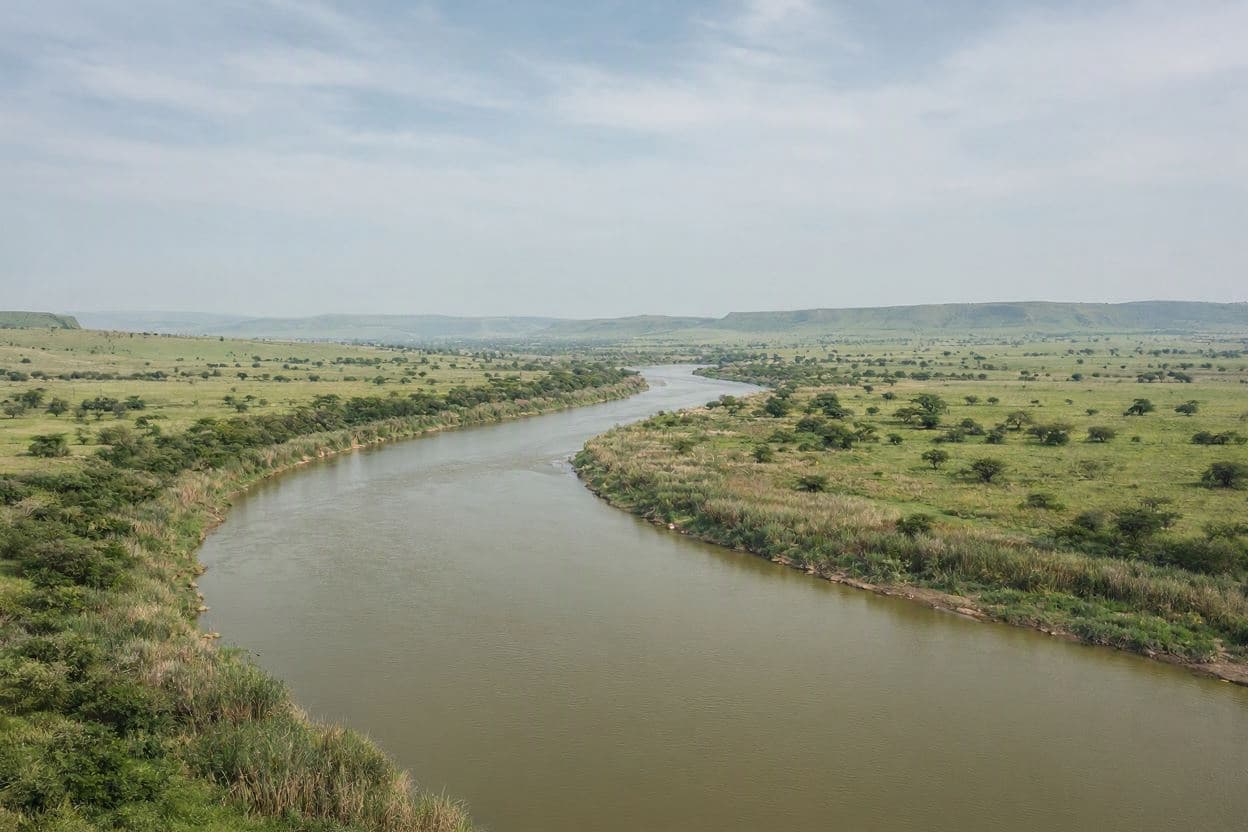
In the shadow of the Himalayas, where glaciers retreat and rivers swell, a young leader from Nepal is raising her voice on the global stage. Representing a nation on the front lines of climate change, she argues for climate reparations from wealthy nations responsible for the majority of emissions. Her plea is not just for financial aid but for justice, acknowledging the disproportionate impact of a crisis they did not create. It is a moral argument rooted in the reality of suffering. Justice requires acknowledgment.
Nepal faces increasing threats from melting glaciers, erratic monsoons, and landslides. These events devastate communities, destroying homes and livelihoods. For many Nepalis, climate change is not a future threat but a present danger. Vulnerability demands action. Survival is at stake.
The concept of climate reparations, or "loss and damage" funding, has gained traction in international negotiations. Young activists argue that historical emitters have a moral obligation to support those most affected. This framework shifts the debate from charity to responsibility. Responsibility binds nations.
For the young leader, this advocacy is personal. She has seen the effects of climate change in her own community, from dried-up springs to flooded fields. Her leadership inspires others to speak out, creating a movement of youth demanding change. Youth leads the way. Hope drives action.
Wealthy nations have begun to pledge funds, but the amounts often fall short of what is needed. Activists call for transparent and accessible mechanisms to ensure the money reaches those who need it most. Accountability ensures impact. Transparency builds trust.
The global community watches as these negotiations unfold. The outcome will set a precedent for how climate justice is addressed in the future. Precedent shapes policy. History is being made.
For Nepal, the stakes are high. Without adequate support, the country faces an uphill battle to adapt and recover. International solidarity is crucial for resilience. Unity strengthens survival. Cooperation saves lives.
In the end, the case for climate reparations is a call for equity and compassion. It reminds us that we share one planet and one future. As the young leader speaks, the hope is for a world that listens and acts. Peace comes with justice.
AI Image Disclaimer: The images accompanying this article are AI-generated artistic interpretations of climate activism and Himalayan landscapes, not actual photographs of the specific young leader or climate damage in Nepal.
Sources: The Guardian Al Jazeera UN Climate Change News
Published by Banx Network. This article is part of the Banx decentralized media programme, powered by the BXE token on the XRP Ledger.