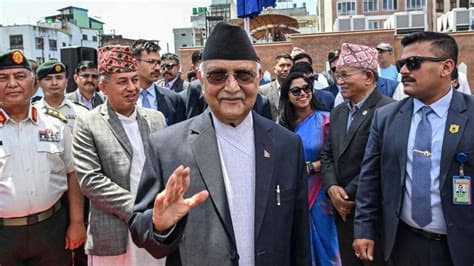
On March 28, 2026, KP Sharma Oli, the former Prime Minister of Nepal, along with Ramesh Lekhak, former Home Minister, was taken into custody following their involvement in the violent suppression of protests initiated by Generation Z activists. These protests had emerged in response to issues such as political corruption, economic stability, and climate change, reflecting the frustrations of a younger generation demanding change.
The crackdown on these protests resulted in injuries and reported fatalities, prompting widespread backlash from both civil society and political opponents. The detentions of Oli and Lekhak are seen as an effort by the current government to address mounting pressure for accountability regarding the state's response to the demonstrations.
Activists have long criticized the previous administration for its heavy-handed tactics against dissent, and these arrests could signal a shift toward accountability. However, many remain skeptical about whether these actions will lead to genuine reform or merely serve as a political maneuver to quell unrest.
Human rights advocates are calling for a transparent investigation into the events surrounding the protests and the role of former officials like Oli and Lekhak in shaping governmental actions. As public sentiment grows more vocal in support of the protesters, the unfolding situation poses a significant challenge for Nepal's political stability and governance.
As the country navigates this turbulent period, the implications of these detentions could reverberate through Nepal's political arena, influencing the landscape of future governance and the relationship between the state and its citizens.
Published by Banx Network. This article is part of the Banx decentralized media programme, powered by the BXE token on the XRP Ledger.