
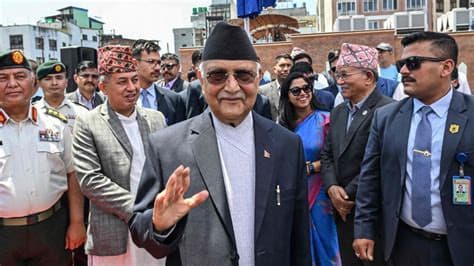
Key Highlights
- Date of Detention:March 28, 2026, former PM KP Sharma Oli and ex-Home Minister Ramesh Lekhak were detained.
- Protest Background:The detentions followed violent protests led by Generation Z activists against political corruption and climate change.
- Public Response:The crackdown has sparked widespread backlash and calls for accountability from civil society.
On March 28, 2026, KP Sharma Oli, the former Prime Minister of Nepal, and Ramesh Lekhak, the former Home Minister, were taken into custody following their involvement in the violent suppression of protests initiated by Generation Z activists. These protests emerged in response to pressing issues such as political corruption, economic instability, and climate change, reflecting the frustrations of a younger generation demanding significant change in governance and policy.
The crackdown on these protests resulted in numerous injuries and reported fatalities, prompting widespread backlash from both civil society and political opponents. The detentions of Oli and Lekhak are perceived as an effort by the current government to address mounting pressure for accountability regarding the state's response to the demonstrations. Activists have long criticized the previous administration for its heavy-handed tactics against dissent, and these arrests could signal a shift toward accountability in Nepal's political landscape.
However, skepticism remains among many observers about whether these actions will lead to genuine reform or merely serve as a political maneuver to quell unrest. The political climate in Nepal has been increasingly polarized, and the government's response to the protests has been scrutinized heavily. Critics argue that the detentions may not reflect a sincere commitment to reform but rather an attempt to placate public outrage.
Human rights advocates are calling for a transparent investigation into the events surrounding the protests and the role of former officials like Oli and Lekhak in shaping governmental actions. As public sentiment grows more vocal in support of the protesters, the unfolding situation poses a significant challenge for Nepal's political stability and governance.
As the country navigates this turbulent period, the implications of these detentions could reverberate through Nepal's political arena, influencing the landscape of future governance and the relationship between the state and its citizens. The outcome of this situation will likely determine the future trajectory of political accountability and civil rights in Nepal, as the younger generation continues to demand a voice in their governance.
Published by Banx Network. This article is part of the Banx decentralized media programme, powered by the BXE token on the XRP Ledger.



