
Key Highlights
- Fatalities:Three confirmed dead due to landslides and lightning strikes.
- Injuries:Twenty-three individuals injured, with three in critical condition.
- Weather Impact:Ongoing heavy rainfall complicates rescue efforts and infrastructure stability.
The monsoon season in Nepal has turned deadly, with authorities confirming three fatalities and twenty-three injuries as a result of severe weather-related disasters. The situation escalated dramatically yesterday, particularly affecting high-altitude regions and saturated lowlands, which have been the hardest hit by the relentless rains.
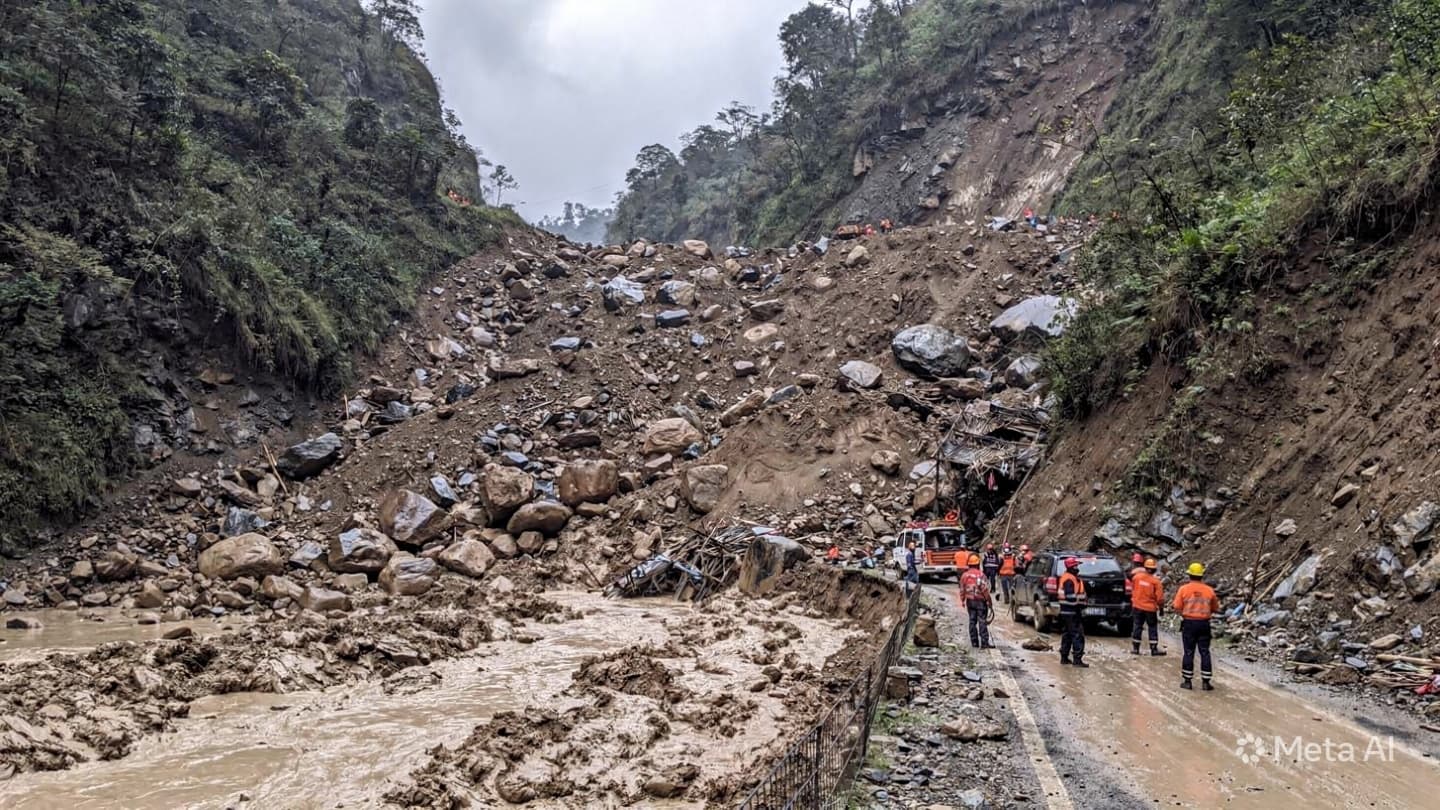
Landslides have been the primary cause of destruction, with fifteen separate mass-wasting events recorded in just twenty-four hours. Many rural roads remain impassable, obstructed by mud and debris that block critical transport routes. This has severely hampered emergency response efforts, leaving many communities isolated and in urgent need of assistance.
In addition to landslides, lightning strikes have posed a significant threat. Six distinct strikes hit populated areas, resulting in casualties and localized fires. Emergency response teams have faced challenges reaching victims in remote districts, particularly due to washed-out bridges that have made access nearly impossible.
Medical facilities across the region are currently overwhelmed, managing a surge in trauma cases while grappling with staff shortages. Twenty-three individuals are receiving treatment for various injuries, including crush wounds and electrical burns, with three patients reported to be in critical condition. The healthcare system is under immense pressure as it strives to provide adequate care amidst the chaos.
Local officials have issued urgent advisories urging citizens to limit travel and stay indoors as the situation remains precarious. The government has mobilized regional task forces to clear debris and provide temporary shelter for those displaced by the disasters. However, the continuous rainfall complicates these efforts, making it difficult to secure vulnerable slopes and prevent further incidents.
The outlook remains grim, with meteorological forecasts predicting that heavy rainfall will persist for several more days. Disaster management teams are on high alert, as the ground remains dangerously saturated and prone to further collapses. The combination of ongoing rain and unstable terrain poses a significant risk to both lives and infrastructure in the affected areas.
As the situation develops, authorities are urging residents to remain vigilant and heed safety warnings. The impact of this monsoon crisis is expected to be felt for some time, as recovery efforts will likely take considerable resources and time to restore normalcy in the affected regions.
Published by Banx Network. This article is part of the Banx decentralized media programme, powered by the BXE token on the XRP Ledger.



