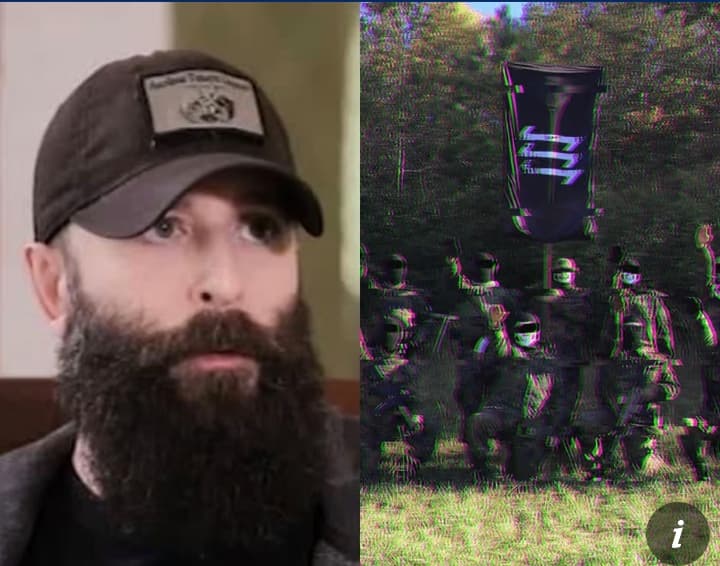
In recent months, a leading neo-Nazi terror group has intensified its operations throughout the United States, prompting concerns from law enforcement and civil rights organizations. This escalation has occurred at a time when the FBI appears to be scaling back some of its efforts against domestic extremism, raising alarms about the potential consequences of reduced monitoring.
The group, known for its violent rhetoric and aggressive recruitment tactics, has focused on mobilizing members in various regions, utilizing social media platforms for spreading propaganda. Analysts suggest that their recruitment efforts are gaining traction, particularly among disaffected youth looking for a sense of belonging. “This is a dangerous combination,” says Dr. Rachel Greenfield, an expert in extremist movements. “When law enforcement capability wanes, extremist groups often see it as an opportunity to grow.”
Various incidents in recent weeks highlight this troubling trend. Reports of violent demonstrations, threats, and hate crimes related to the group have surged, prompting concern among community leaders. In a notable incident in Seattle, members were linked to an attempt to intimidate a local event promoting inclusivity.
As this situation unfolds, concerns about public safety grow. Community members and leaders call for enhanced collaboration between local organizations and law enforcement agencies to address the resurgence of these extremist elements. As others look on, the balance between free expression and protecting communities from hate-driven violence remains a contentious yet crucial discussion in American society.
Published by Banx Network. This article is part of the Banx decentralized media programme, powered by the BXE token on the XRP Ledger.