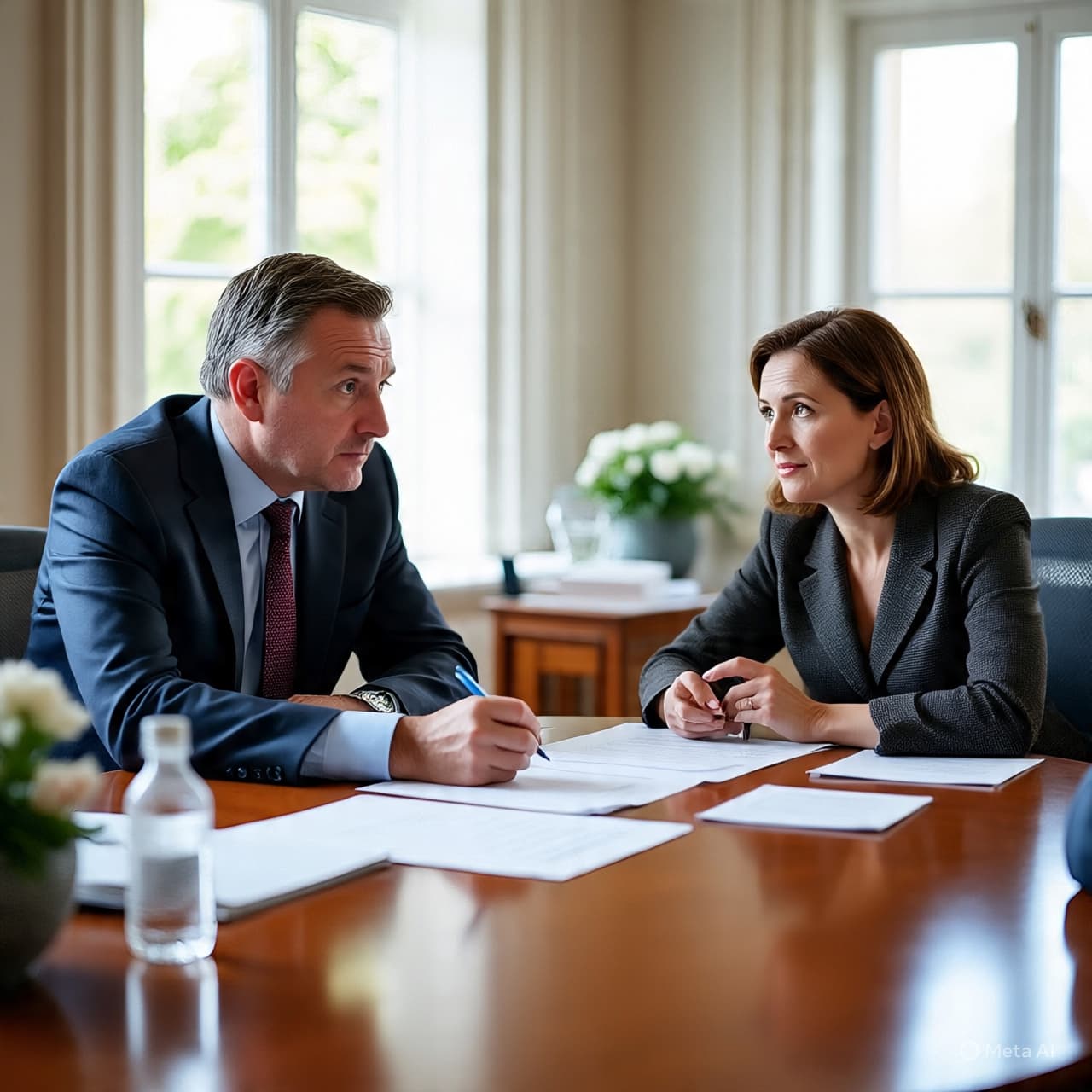
In the quiet hush of Geneva’s corridors, negotiators leaned in — not with the clamor of conflict, but with the soft, tentative hope that conversation might yet bend the arc of war. The U.S. and Ukraine walked into those talks carrying a 28-point peace proposal, a dense blueprint drawn under intense pressure and sharp criticism. Yet when they emerged, the plan had been pared down, not with triumphant flourish, but with the careful precision of someone pruning a fragile sapling. What remained was a 19-point outline — a structural compromise, but still no final accord.
In the body of those discussions, the adjustments tell a story of give and take. According to Oleksandr Bevz, an adviser to President Zelensky’s office, the original 28-point draft “no longer exists in its previous form”: some provisions were removed, others were reframed. The tone from both sides, he said, was “very constructive,” and Ukrainian officials feel their concerns were heard.
The most pointed reductions reportedly centered on the more controversial demands. The original plan had raised fears in Kyiv and well beyond: strings attached to territorial control, force limits on Ukraine’s military, and rigid constraints on its future NATO membership. European leaders, in particular, had pushed back hard — stressing that some of the stipulations ventured into areas under their competence, such as wartime sanctions or the deployment of frozen Russian assets.
After the Geneva talks, a joint U.S.–Ukraine statement described the negotiations as “meaningful progress toward aligning positions.” That said, despite cutting nearly a third of the original plan, they did not reach an agreement in full. According to multiple reports, key issues remain open, particularly over who controls what, how military limits would be enforced, and how to use or repurpose frozen Russian funds.
On the Russian side, the reaction has been cautious and distant. The Kremlin has publicly stated that it has not yet received the revised text, suggesting it will not comment until a formal version is handed over. Without their buy-in, the peace plan remains a framework in search of a full consensus.
For Ukraine, the stakes are personal and existential. Zelensky’s government argues that any peace must defend national dignity and not merely paper over losses. For European partners, the challenge is to ensure peace does not come at the cost of future security. For the United States — which helped craft the original proposal — the trimmed-down plan may offer a more palatable path forward, but it’s still “a living, breathing document,” in the words of some involved.
AI Image Disclaimer “Images in this article are AI-generated illustrations, meant for concept only.”
Sources The Guardian Financial Times RBC-Ukraine Reuters / AA News The Washington Post
Published by Banx Network. This article is part of the Banx decentralized media programme, powered by the BXE token on the XRP Ledger.