In the hallways of schools, where trust and safety are paramount, a controversial tool has come under scrutiny. The Bellevue Public Schools district in Nebraska has formally requested that local law enforcement cease the use of "shock gloves" on students. These devices, which deliver an electric shock to restrain individuals, have been used by school resource officers in instances of behavioral crises, sparking debate about discipline, safety, and the role of police in education.
The request follows several incidents where the gloves were deployed against students, some of whom were experiencing mental health episodes or developmental disabilities. Parents and advocates argue that the use of such force is excessive and traumatic, potentially exacerbating the very behaviors it aims to control. They emphasize that schools should be places of support and learning, not sites of punitive restraint. The district’s stance reflects a growing concern about the militarization of school discipline.
School resource officers, tasked with maintaining security, often find themselves in difficult situations involving agitated or violent students. The shock gloves were introduced as a less-lethal alternative to physical struggle or more severe force. However, critics contend that there are safer and more humane methods of de-escalation, such as verbal intervention, calming techniques, and specialized training in mental health first aid. The reliance on technology over dialogue raises questions about the preparedness of staff.
For the students involved, the experience can be frightening and damaging. The sensation of an electric shock, even if brief, can cause physical pain and psychological distress. For children with trauma histories or sensory processing issues, it can be particularly harmful. Advocates are calling for policies that prioritize the well-being of students and prohibit the use of aversive tools in educational settings.
The Bellevue school board’s decision to request the ban is a significant step toward reforming disciplinary practices. It signals a commitment to creating a more supportive environment for all students. The district is working with mental health professionals to develop better protocols for handling crises, focusing on prevention and early intervention. This proactive approach aims to address the root causes of behavioral issues rather than just suppressing symptoms.
Law enforcement agencies have responded with a mix of cooperation and defense. Some officers argue that the gloves are a necessary tool for ensuring safety in extreme situations. However, many agree that their use should be strictly limited and subject to rigorous oversight. Training programs are being reviewed to ensure that officers are equipped with the skills to handle diverse student needs without resorting to force.
National trends show a move away from punitive discipline in schools. Many districts are adopting restorative justice practices, which focus on repairing harm and building relationships. This shift recognizes that punishment alone does not teach appropriate behavior or address underlying issues. By aligning with these broader movements, Bellevue is positioning itself as a leader in compassionate school safety.
In the end, the issue of shock gloves in schools is about values. It asks what kind of environment we want to create for our children. For Nebraska, it is a moment to choose empathy over enforcement. The hope is that this request will lead to policies that protect students’ dignity and safety, ensuring that schools remain sanctuaries of growth and learning.
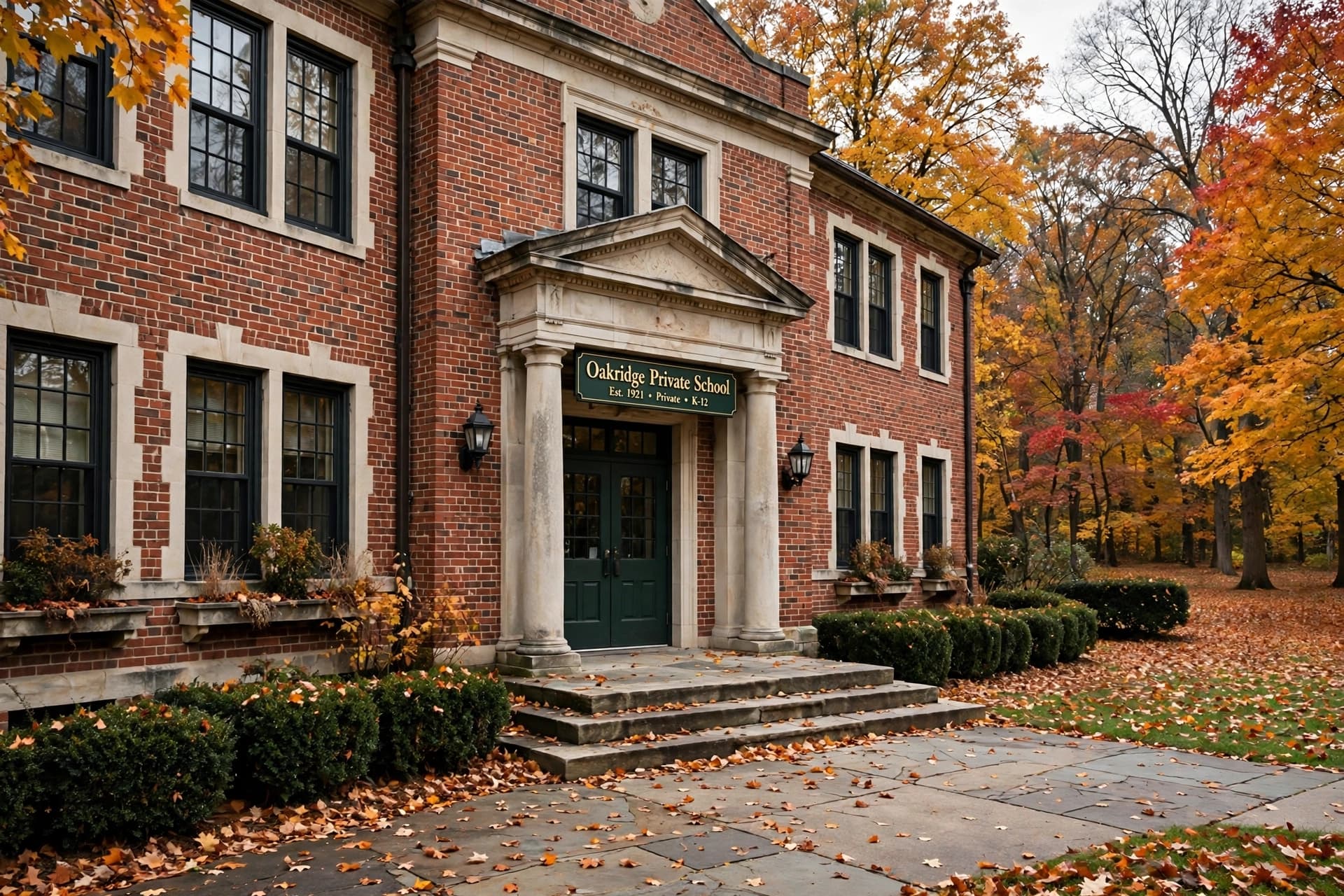
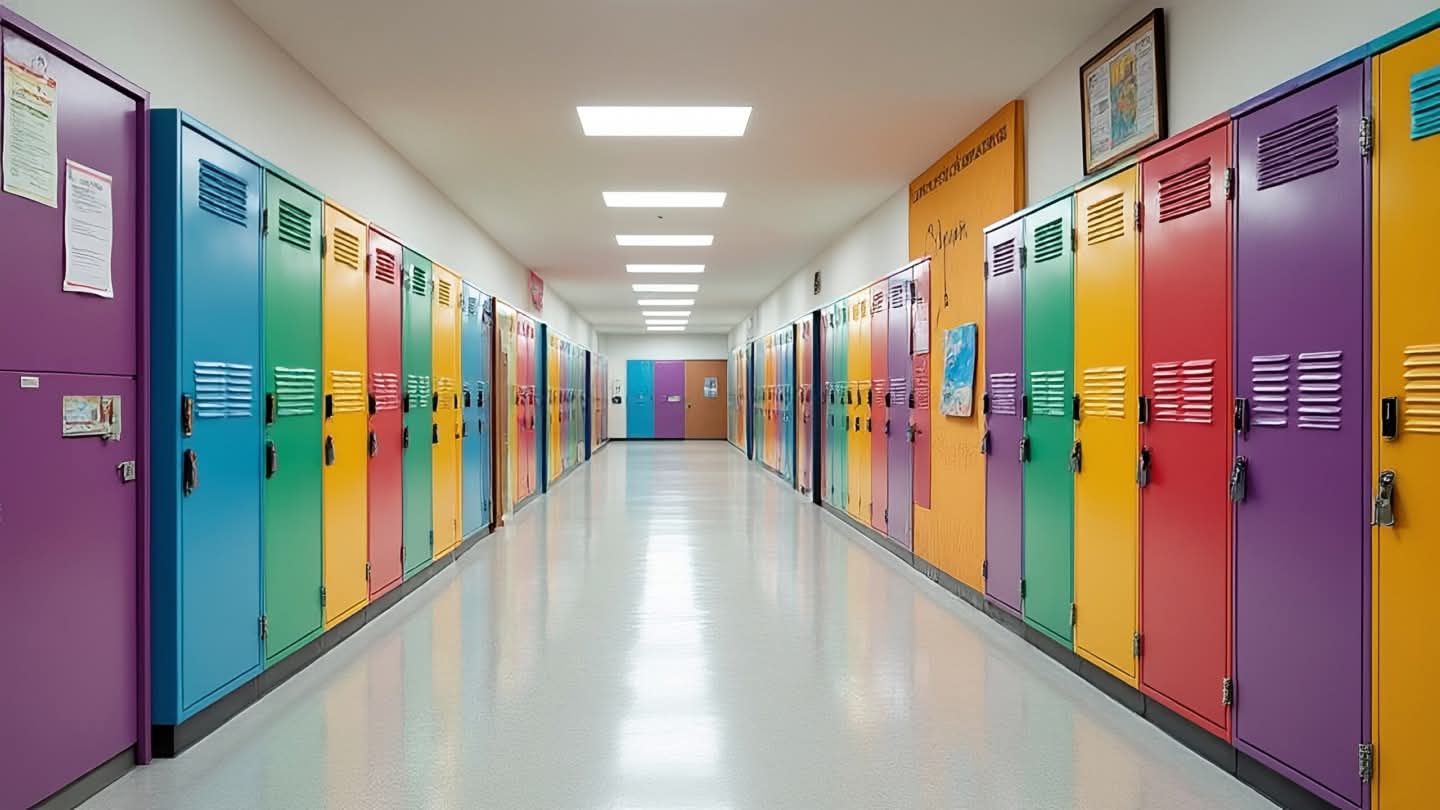
AI Image Disclaimer: Images accompanying this report are AI-generated artistic interpretations of school environments and abstract symbols of safety and care, intended to visualize the context of the policy debate without depicting real students, specific restraint devices, or graphic content.
Sources: NBC News, Omaha World-Herald, Education Week, The Hill
Published by Banx Network. This article is part of the Banx decentralized media programme, powered by the BXE token on the XRP Ledger.