

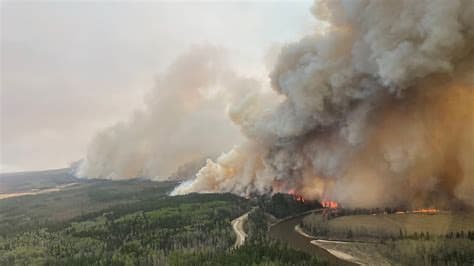
Key Highlights
- Nearly 1,000 wildfires are currently burning across Canada, leading to widespread evacuations.
- Air quality alerts have been issued across North America due to smoke and pollutants.
- Indigenous communities are among the hardest hit by the ongoing wildfires.
The wildfire crisis in Canada has escalated dramatically, with nearly 1,000 active fires reported across the country. This alarming situation has resulted in significant air quality alerts throughout North America, affecting millions of residents. The smoke from these wildfires has drifted southward into the United States, prompting health warnings about hazardous air conditions. As a result, thousands of people have been forced to evacuate their homes, with Indigenous communities facing the brunt of these devastating impacts.
The Canadian government has mobilized resources to combat the wildfires, but the scale of the crisis poses a significant challenge. Firefighters are working tirelessly to contain the blazes, which have been exacerbated by extreme weather conditions linked to climate change. The situation has raised urgent questions about the effectiveness of current policies aimed at mitigating climate-related disasters.
In the midst of this environmental crisis, political leaders have come under scrutiny for their responses. Critics argue that President Donald Trump and Canadian Prime Minister Mark Carney are “doubling down” on fossil fuel policies instead of taking decisive action to reduce greenhouse gas emissions. This criticism highlights a growing divide between environmental advocates and political leaders who prioritize economic interests tied to fossil fuels.
Trump's administration has threatened to impose tariffs on Canada in response to the fallout from the wildfires, further complicating the relationship between the two nations. This move has drawn ire from environmentalists who argue that such actions distract from the urgent need to address climate change and its consequences.
As the wildfires continue to rage, the call for a shift in policy becomes increasingly urgent. Environmentalists emphasize that without significant changes to fossil fuel dependency, the frequency and intensity of wildfires will only worsen in the future. The situation in Canada serves as a stark reminder of the interconnectedness of climate change, public health, and political action.
In conclusion, the ongoing wildfires in Canada are not just a local crisis but a reflection of broader environmental challenges that require immediate attention. The response from political leaders will be crucial in shaping the future of climate policy and the health of communities affected by these devastating fires.
Published by Banx Network. This article is part of the Banx decentralized media programme, powered by the BXE token on the XRP Ledger.




