
Key Highlights
- Unique Perspective:The diary of Ebrahim Raisi's son offers personal insights into life in Iran during conflict.
- Observational Tone:The writings reflect uncertainty and atmosphere rather than official narratives.
- Cultural Resonance:The diary captures the nuances of expression within Iranian society.
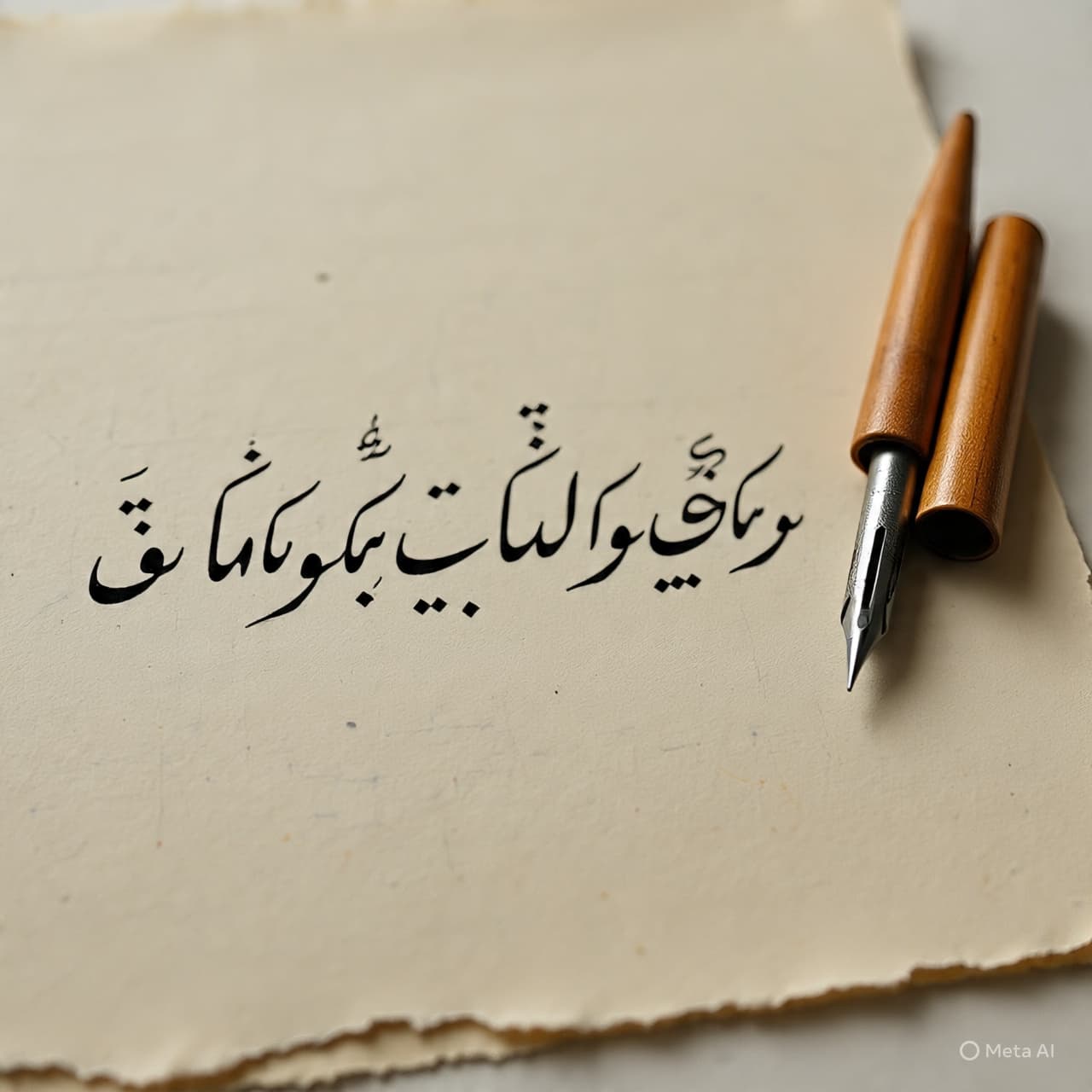
[Context of the Diary] In the midst of political turmoil and conflict, the diary of Ebrahim Raisi's son emerges as a poignant reflection of life in Iran. Unlike official statements or polished speeches, these entries provide a raw glimpse into the atmosphere of a nation grappling with uncertainty. The writings, shared publicly, reveal a personal narrative that contrasts sharply with the structured accounts typically associated with political figures. This diary serves as a reminder that history is often recorded in fragments, capturing the essence of moments that might otherwise be lost.
[The Nature of the Writings] The diary entries do not follow a conventional narrative structure; instead, they drift between observations of daily life and the distant echoes of political events. One moment may describe the stillness of a street, while the next hints at the tension of impending conflict. This approach allows for a more nuanced understanding of the situation in Iran, where the lines between personal experience and public reality often blur. The author’s reflections resist the urge to define the conflict in grand terms, opting instead to linger in the spaces of uncertainty.
[Broader Context of Conflict] Iran is currently navigating a complex landscape of heightened tensions, particularly with the United States and various regional actors. Military developments and economic pressures shape the visible narrative, but beneath this surface lies a deeper, more personal interpretation of events. The diary captures how individuals within Iran absorb and respond to the unfolding situation, providing a texture that complements official accounts rather than replacing them. This duality enriches the understanding of the current climate, illustrating how personal narratives can coexist with broader political discourse.
[The Significance of Personal Expression] For many readers in Iran, the diary may resonate deeply, reflecting a familiar mode of expression shaped by cultural habits and societal constraints. The act of writing becomes a subtle form of resistance, allowing for interpretation and reflection rather than definitive statements. The son of a sitting president documenting uncertainty is an unexpected development, as such figures are typically expected to project confidence and clarity. Yet, this diary serves as a gesture of authenticity, situating the author within a moment that defies easy understanding.
[Human Dimension of War] War, even when experienced from a distance, alters the fabric of daily life. The diary captures these shifts through simple observations, revealing how the rhythm of life changes in response to conflict. It highlights the ways people engage with news, navigate their cities, and envision their futures amid uncertainty. Each entry serves as a reminder that even those closest to power are not immune to the complexities of human experience.
[Conclusion] As the diary circulates, its impact remains subtle yet significant. It does not seek to redefine the conflict or alter its trajectory but adds a layer of understanding to how it is perceived. The writings remind us that within the structures of power, there are individuals grappling with their realities, trying to make sense of the world around them. Ultimately, the diary stands as a testament to the power of personal narrative in illuminating the complexities of life during tumultuous times.
Published by Banx Network. This article is part of the Banx decentralized media programme, powered by the BXE token on the XRP Ledger.



