
Key Highlights
- Oman proposes a fee-based plan for transit through the Strait of Hormuz.
- The initiative aims to enhance maritime security following recent conflicts.
- Stakeholders express cautious interest in the proposal's economic implications.
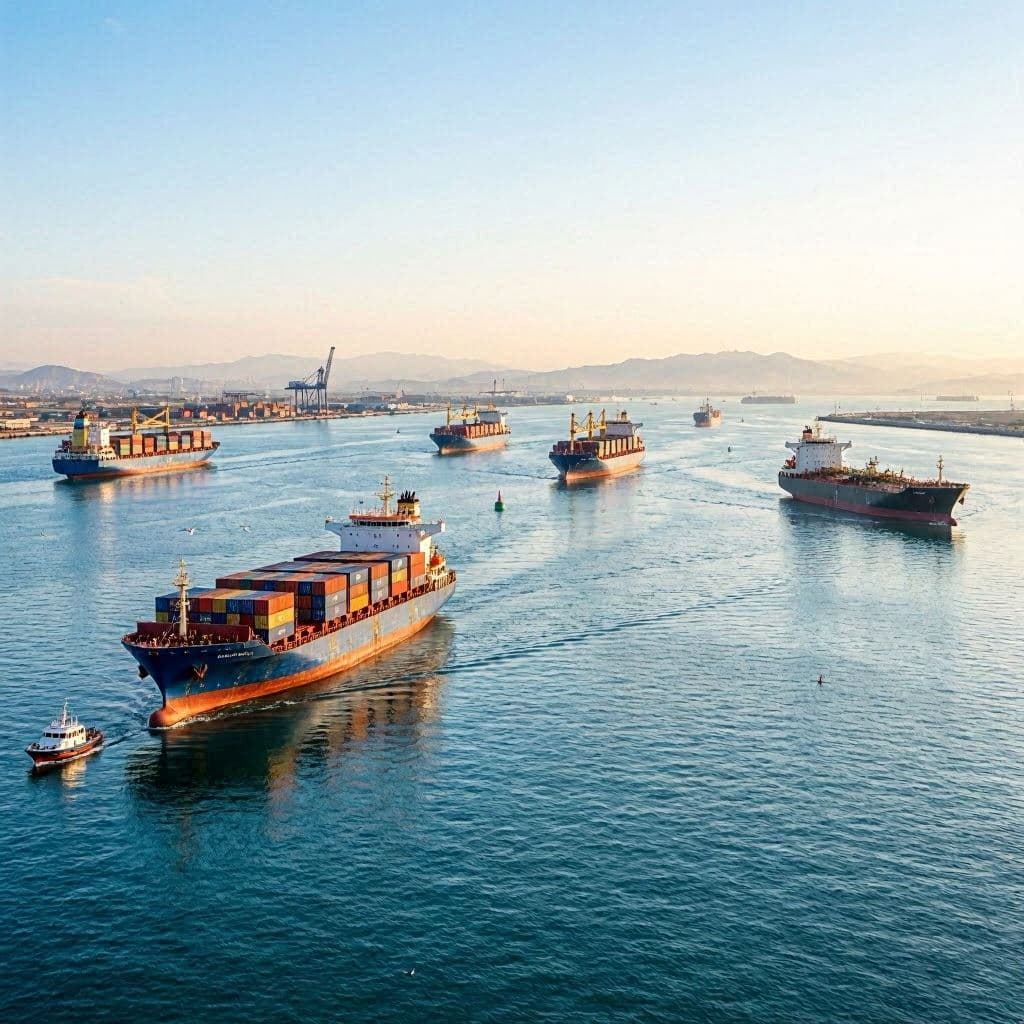
Oman has stepped into the spotlight with a new proposal aimed at securing the Strait of Hormuz, a critical waterway for global energy supplies. Following the recent U.S.-Iran conflict, which disrupted shipping and heightened economic anxiety, Oman’s initiative seeks to establish a fee-based system for vessels transiting the strait. This plan is designed to enhance security and maintenance of the waterway, ensuring safe passage for international commerce.
The Strait of Hormuz is a vital artery for the world’s oil supply, with approximately 20% of global oil passing through its narrow channels. The recent conflict underscored the vulnerabilities of global supply chains, prompting Oman to propose a structured transit system funded by fees from commercial vessels. These fees would be allocated to bolster security measures and maintain the waterway, addressing the pressing need for a sustainable solution to maritime security.
International stakeholders have shown cautious interest in Oman’s proposal, recognizing the necessity of a collaborative approach to ensure maritime safety. However, the plan raises significant questions regarding sovereignty and the role of regional powers in managing such a crucial resource. Critics argue that implementing a fee could be perceived as a toll on free navigation, while proponents assert that it represents a vital investment in safety and stability in a region fraught with tension.
Oman’s historical role as a mediator in regional conflicts positions it uniquely to lead this initiative. By proposing this plan, Muscat aims to foster cooperation among nations, demonstrating that even in challenging circumstances, dialogue and collaboration are possible. The success of this initiative will hinge on the willingness of all involved parties to engage in good faith and prioritize collective security over individual interests.
The economic implications of the proposed fee structure are substantial. Analysts predict that while initial costs may be passed on to consumers, the long-term benefits of reduced risk and increased reliability in shipping could outweigh these expenses. Transparency and fairness in the implementation of the fee structure will be crucial to ensure that it is viewed as a legitimate service rather than a punitive measure.
For the countries bordering the Strait, Oman’s proposal offers a unique opportunity to rebuild trust and address shared challenges. It lays the groundwork for dialogue and cooperation, which has been sorely lacking in recent years. The hope is that this initiative will serve as a model for other regions facing similar security dilemmas, illustrating that practical solutions can emerge from crises.
As the details of Oman’s plan are further refined, the international community is watching closely. The outcome of this initiative will not only impact the region but also have broader implications for global trade and diplomacy. It serves as a litmus test for whether nations can unite to protect common interests in the face of adversity and whether innovative approaches can pave the way for lasting peace.
In conclusion, Oman’s proposal stands as a beacon of hope amid turbulence. It highlights the potential for creativity and collaboration even after conflict. The journey toward a secure and stable Strait of Hormuz will require patience and persistence, but the destination is undoubtedly worth striving for.
Published by Banx Network. This article is part of the Banx decentralized media programme, powered by the BXE token on the XRP Ledger.



