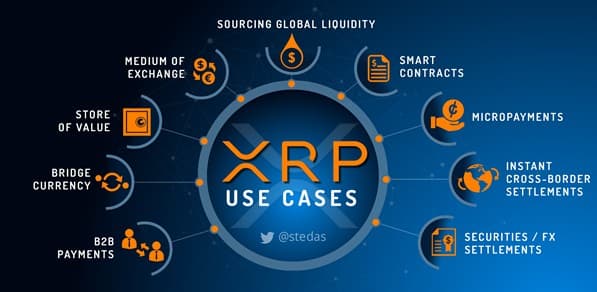
The Imperative for Digital Transformation The current global economic landscape is characterized by unprecedented volatility. Central bank policies, escalating national debts, and the pervasive threat of inflation are collectively eroding confidence in traditional fiat currencies and legacy financial structures. This looming financial instability has prompted a strong re-evaluation of where and how capital is secured and transacted. The Case for ISO-Compliant Assets: XRP and XLM A core strategy for navigating this turbulence involves converting traditional fiat holdings into select digital assets. The recommendation frequently centers on tokens that are perceived to be positioned for future institutional adoption due to their compliance and technical specifications: XRP (Ripple): Often highlighted for its speed and low cost in cross-border payments, XRP is designed to serve as a bridge currency for financial institutions. Proponents believe its established role in the ecosystem and its potential to be recognized under emerging international regulatory frameworks make it a strategic long-term hold. XLM (Stellar Lumens): Built for a similar purpose—connecting financial institutions and lowering the cost of global transactions—XLM focuses on empowering individuals and developing economies. Its interoperability and focus on tokenized assets align it with the future of digital finance. The emphasis on "ISO-compliant" tokens stems from the belief that these assets are being prepared for integration into a globally harmonized regulatory system, potentially giving them a distinct advantage as the financial world digitalizes. The Alleged Shift to a QFS Ledger Integral to this advice is the transition to a non-traditional financial infrastructure, frequently referred to as the Quantum Financial System (QFS) ledger. While the specifics of this system remain speculative and outside of current, verified global banking frameworks, advocates describe it as a decentralized, immutable, and transparent ledger intended to replace the existing, fragmented central banking system. The rationale for converting assets now is based on the strong belief that these selected ISO-compliant tokens will be the native, interoperable currency of this future QFS ledger. By converting fiat to XRP or XLM, the investor is allegedly positioning their assets to transition seamlessly and instantaneously into the new system once it is activated, thus shielding capital from the predicted collapse of the fiat system.
Published by Banx Network. This article is part of the Banx decentralized media programme, powered by the BXE token on the XRP Ledger.