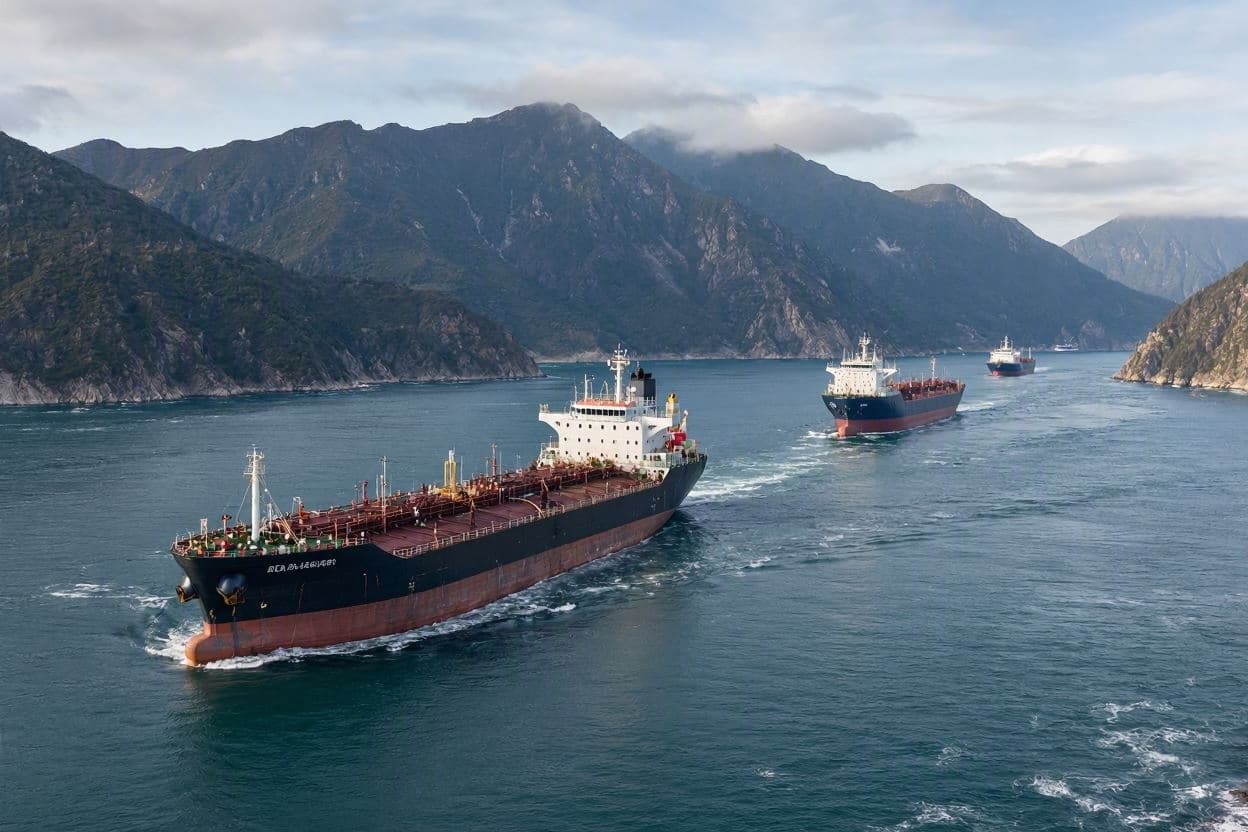
The Strait of Hormuz is a narrow artery of global commerce, through which a significant portion of the world’s oil supply flows daily. It is a place where geopolitics and economics intersect, often tensely. Recent reports of attacks on two additional oil tankers in this vital waterway have sent ripples of concern through international markets and diplomatic circles. These incidents serve as a stark reminder of the fragility of global energy security and the persistent risks that accompany maritime trade in contested regions.
The attacks occurred amidst a backdrop of heightened regional tensions. While details regarding the perpetrators and the extent of the damage are still being verified, the pattern suggests a deliberate effort to disrupt shipping lanes. The Strait of Hormuz connects the Persian Gulf to the open ocean, making it a chokepoint for energy exports from major producers. Any disruption here has immediate effects on global oil prices and supply chains.
For the crews of the targeted tankers, the experience is one of sudden vulnerability. Life at sea is already isolated, but the threat of conflict adds a layer of psychological stress. International maritime laws aim to protect commercial vessels, but enforcement in such volatile areas is complex. The safety of sailors becomes a humanitarian concern alongside the economic implications.
Global markets reacted swiftly to the news, with oil prices ticking upward. Traders anticipate potential supply shortages or increased insurance costs for shipping companies. This economic sensitivity underscores how dependent the modern world is on the steady flow of resources through these narrow passages. A single incident can trigger widespread financial uncertainty.
Diplomatic efforts to de-escalate the situation are underway. Nations with interests in the region, including the United States, European countries, and Asian importers, are calling for restraint and adherence to international law. Naval patrols have been increased in some areas to deter further attacks and ensure safe passage. However, the risk of miscalculation remains high in such a charged environment.
The identity of those responsible for the attacks is a subject of intense speculation and investigation. Regional actors have exchanged accusations, each blaming the other for destabilizing the status quo. This cycle of blame complicates resolution efforts, as trust is eroded and defensive postures harden. Dialogue becomes difficult when suspicion prevails.
Environmental concerns also loom large. An attack on an oil tanker carries the risk of spills, which could devastate marine ecosystems and coastal communities. The ecological cost of such conflicts is long-lasting and often irreversible. Protecting the environment is another compelling reason for maintaining stability in these waters.
As the situation develops, the international community watches closely. The hope is that diplomacy will prevail over escalation, preserving the free flow of commerce and the safety of those at sea. The Strait of Hormuz remains a test case for global cooperation in the face of regional instability.
The attack on two oil tankers in the Strait of Hormuz highlights the ongoing risks to global energy security. As diplomatic efforts continue, the focus remains on ensuring safe passage and preventing further escalation. The incident underscores the interconnectedness of regional stability and global economic well-being.
AI Image Disclaimer: The images associated with this article are AI-generated visualizations intended to symbolize maritime trade and geopolitical tension, using respectful and abstract imagery of ships and waterways.
Sources: Reuters Associated Press Bloomberg Energy
Published by Banx Network. This article is part of the Banx decentralized media programme, powered by the BXE token on the XRP Ledger.