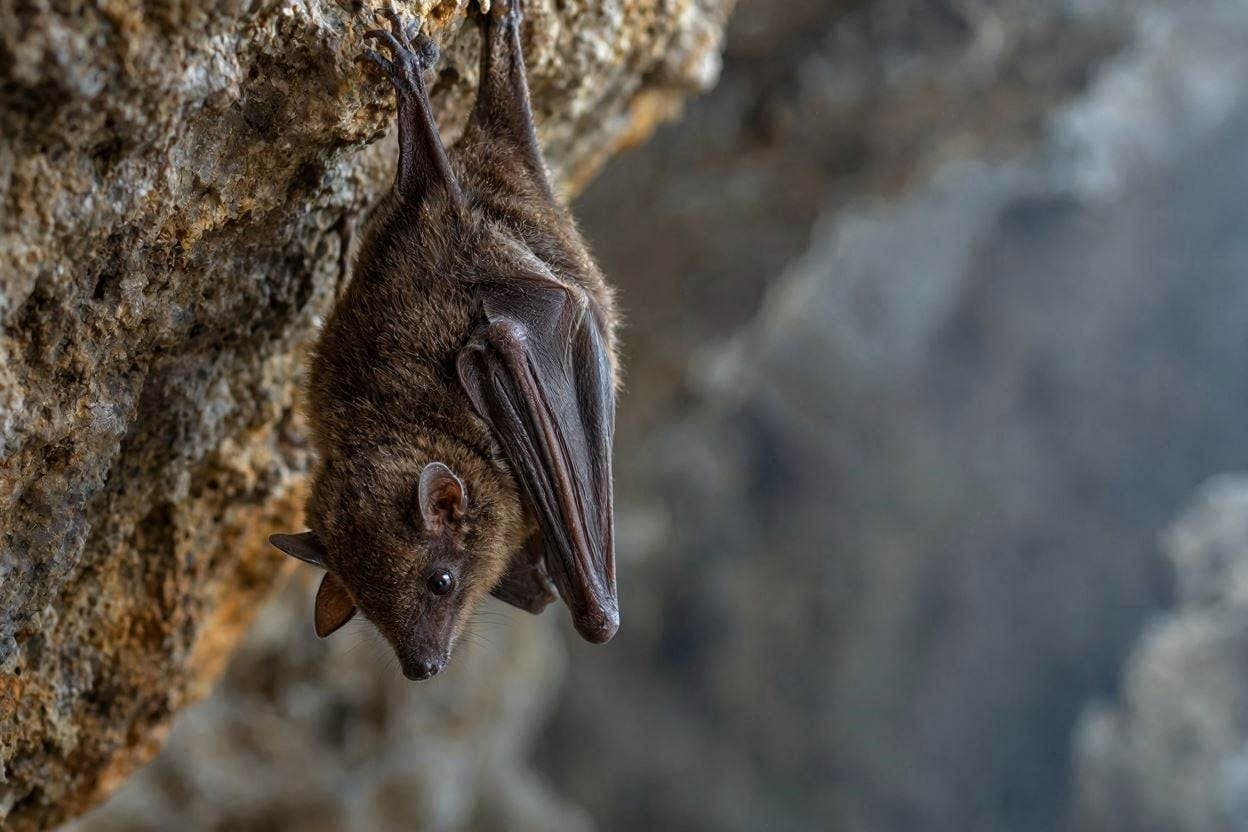
In the hidden corners of the natural world, bats have long been recognized as unique reservoirs for viruses, hosting pathogens that can be deadly to other mammals while remaining unaffected themselves. A new study from Tulane University sheds light on this biological paradox, revealing the intricate mechanisms of bat immunity that allow them to coexist with viruses. This discovery offers promising clues for human medicine, potentially unlocking new ways to combat infectious diseases.
The research focuses on the adaptive immune system of bats, particularly their ability to produce specialized antibodies that neutralize viruses without triggering harmful inflammation. Unlike humans, whose immune responses can sometimes cause more damage than the virus itself, bats maintain a balanced defense that controls viral replication while preserving tissue health. This equilibrium is the result of millions of years of co-evolution with diverse viral populations.
Scientists identified a previously unknown antibody system in bats that plays a crucial role in this process. These antibodies are highly effective at binding to viral particles, preventing them from entering cells and replicating. By studying the genetic structure of these antibodies, researchers hope to engineer similar therapies for humans, offering a new line of defense against emerging infectious diseases.
The study also highlights the importance of understanding bat ecology in the context of global health. As habitat loss and climate change bring humans into closer contact with wildlife, the risk of zoonotic spillover increases. By learning how bats manage viral loads, we can better predict and prevent future pandemics, turning a potential threat into a source of scientific insight.
Tulane’s team used advanced genomic sequencing to analyze the immune responses of various bat species, comparing them to other mammals. The findings reveal significant differences in how interferon pathways are regulated, suggesting that bats have evolved unique molecular switches that keep their immune systems in a state of constant vigilance without overreacting.
This research has implications beyond virology, touching on fields such as immunology and genetics. The principles discovered in bats could inform the development of anti-inflammatory drugs and vaccines that are more effective and safer for human use. It demonstrates the value of biodiversity as a library of biological solutions to complex medical challenges.
Public health officials welcome the findings, noting that understanding natural immunity is key to preparing for future health crises. The study encourages further investment in wildlife disease research, emphasizing that protecting ecosystems is also a form of protecting human health. It bridges the gap between conservation and medicine, showing their interconnectedness.
The Tulane study unlocks a door to understanding the remarkable immune capabilities of bats. By decoding these secrets, science moves closer to harnessing nature’s wisdom for the benefit of humanity, offering hope in the ongoing battle against infectious diseases.
AI Image Disclaimer: The images associated with this article are AI-generated illustrations designed to represent the themes of virology and immunological research.
Sources: EurekAlert, Tulane News, Frontiers in Immunology, MIT Biology
Published by Banx Network. This article is part of the Banx decentralized media programme, powered by the BXE token on the XRP Ledger.