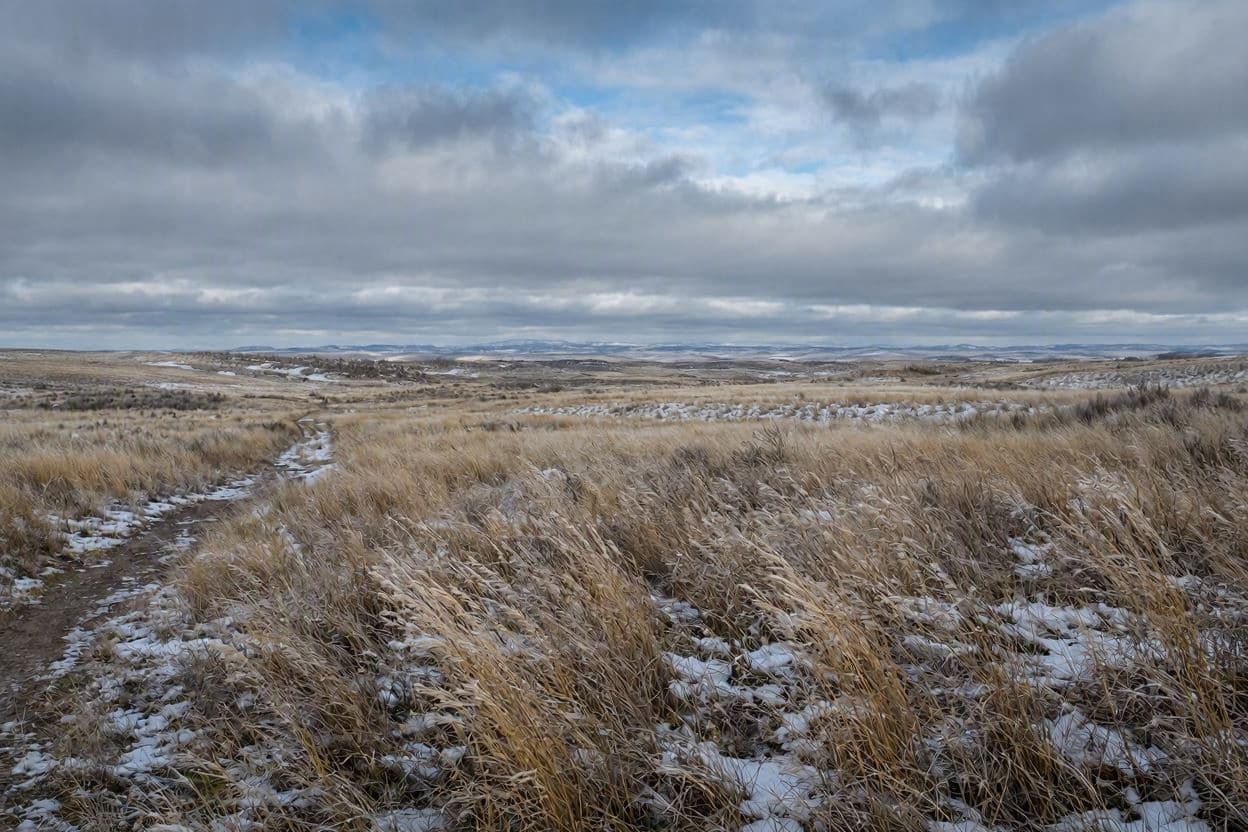
In Alberta, the approach of winter is not merely a change in weather but a shift in the rhythm of life. The landscape prepares for its annual slumber, and residents brace for the cold that defines the province’s character. This year, however, the early winter forecast carries a distinct tone, differing from the typical predictions of snow depth and temperature averages. It suggests a pattern that is less about sheer volume and more about variability, inviting a deeper reflection on how we understand and prepare for the seasons.
Traditional forecasts often focus on binaries: will it be colder or warmer than average? Will snowfall be above or below normal? The new forecast, however, introduces a layer of complexity, highlighting fluctuations and unpredictability. This nuance is crucial for agriculture, energy planning, and daily commuting, as it underscores the need for adaptability rather than rigid preparation.
Meteorologists point to shifting atmospheric patterns, influenced by broader climate dynamics, as the cause for this unusual outlook. The jet stream’s behavior, ocean temperatures, and other global factors converge to create a winter that may defy historical norms. This complexity challenges the simplicity of traditional forecasting, requiring a more sophisticated understanding of environmental systems.
For farmers, this uncertainty is particularly significant. Early frosts, late thaws, or inconsistent snow cover can impact crop survival and soil health. The forecast serves as a warning to remain vigilant, adjusting strategies to accommodate potential swings in weather. It is a reminder that nature operates on its own terms, often resisting our attempts to categorize it neatly.
Energy providers also face unique challenges. Variability in temperature affects demand for heating, while changes in precipitation influence hydroelectric capacity. Planning for a winter that does not follow a standard script requires flexibility and robust infrastructure capable of handling diverse conditions.
For the general public, the message is one of preparedness without panic. Instead of expecting a uniformly harsh or mild winter, residents are encouraged to anticipate changes. Layering clothing, maintaining vehicles, and staying informed become key strategies for navigating a season that may surprise at every turn.
This forecast invites us to listen more closely to the environment. It suggests that winter is not a monolith but a dynamic process, shaped by countless interacting forces. By embracing this complexity, we can better align our lives with the natural world.
Alberta’s early winter forecast presents a unique pattern of variability rather than traditional averages, highlighting the increasing complexity of seasonal weather predictions. Residents and industries are urged to remain adaptable.
AI Image Disclaimer: The images associated with this article are AI-generated and serve as visual interpretations rather than documentary evidence.
Sources: Environment Canada Global News CBC News
Published by Banx Network. This article is part of the Banx decentralized media programme, powered by the BXE token on the XRP Ledger.