

Key Highlights
- Australia implements new environmental reforms to enhance biodiversity protection.
- A national environmental regulator is established to enforce updated standards.
- Partnerships with Indigenous communities and scientists are crucial for conservation efforts.
[Australia's Commitment to Biodiversity]
Conservation often begins with quiet decisions rather than dramatic moments. A protected forest, a restored wetland, or a carefully managed habitat may not immediately capture public attention, yet these choices gradually shape the future of landscapes and wildlife. In Australia, the latest environmental initiatives reflect an effort to balance ecological protection with the demands of a growing economy.
The Australian government has continued advancing environmental reforms designed to strengthen biodiversity protection while improving the way major development projects are assessed. Among the most significant changes is the establishment of a national environmental regulator with stronger enforcement powers, alongside updated standards intended to improve accountability in environmental decision-making.
Officials say the reforms are intended to better protect threatened species and sensitive ecosystems while providing greater clarity for businesses, local governments, and communities. The measures form part of Australia's broader "Nature Positive" agenda, which seeks to improve biodiversity outcomes and support the country's commitment to protecting 30 percent of its land and marine areas by 2030.
[Collaborative Conservation Efforts]
Conservation efforts also extend beyond legislation. Programs supporting habitat restoration, invasive species management, and ecosystem recovery continue to receive attention as environmental agencies work alongside Indigenous communities, scientists, conservation organizations, and private landholders. These partnerships recognize that protecting biodiversity often requires long-term cooperation rather than isolated projects.
At the same time, the reforms have prompted discussion among agricultural groups, environmental advocates, and industry representatives. Some farming organizations have expressed concern that expanding protected areas could affect productive farmland and regional economies, while environmental organizations argue that stronger safeguards remain necessary to slow biodiversity loss and reduce extinction risks.
[Unique Ecosystems Under Threat]
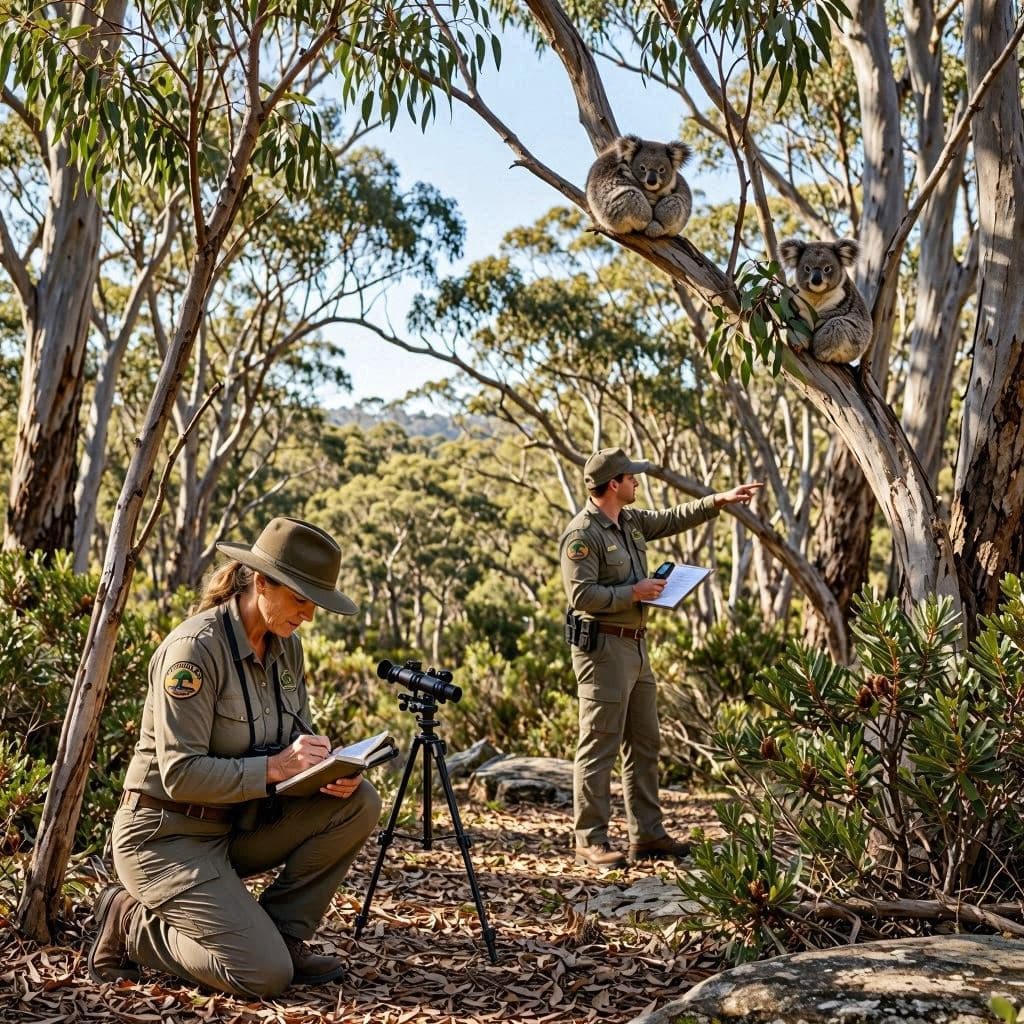
Australia remains home to thousands of unique plant and animal species found nowhere else in the world. Koalas, greater gliders, rare orchids, and numerous native bird species depend on habitats that have experienced increasing pressure from land clearing, invasive species, bushfires, and climate-related changes. Protecting these ecosystems has therefore become a central objective of national conservation policy.
[The Role of Science in Conservation]
Scientists continue emphasizing that biodiversity conservation is not solely about preserving individual species. Healthy ecosystems support water resources, soil quality, agriculture, tourism, and community resilience. As research advances, policymakers increasingly rely on scientific monitoring to evaluate whether conservation programs achieve measurable environmental improvements over time.
[Long-Term Goals for Sustainability]
The effectiveness of Australia's environmental reforms will likely be measured over many years rather than a single season. As implementation continues, government agencies, researchers, businesses, and local communities are expected to play complementary roles in protecting biodiversity while supporting sustainable economic development. The broader goal remains consistent: ensuring that Australia's remarkable natural heritage can endure for future generations.
Published by Banx Network. This article is part of the Banx decentralized media programme, powered by the BXE token on the XRP Ledger.




