
Key Highlights
- Discovery:Researchers found the largest spider web, built by 111,000 arachnids.
- Scale:The web is so massive it could potentially snare a whale.
- Insight:This phenomenon challenges human perceptions of nature's engineering capabilities.
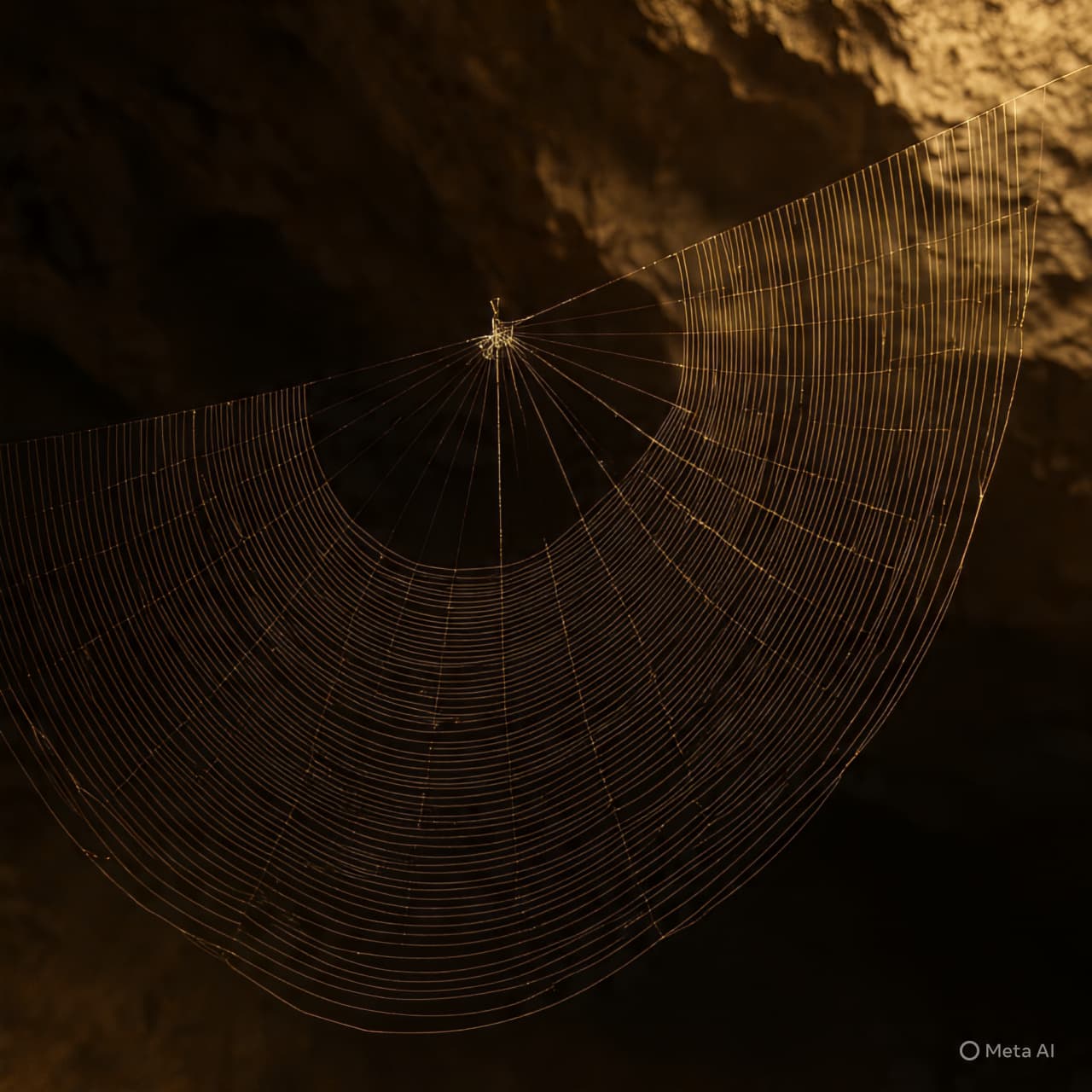
In a remarkable discovery, scientists have unveiled what is now considered the largest spider web ever documented, constructed by an astonishing 111,000 arachnids. This massive silk structure, found in a remote cave, is so expansive that researchers have likened its size to that of a web capable of ensnaring a whale. This finding not only highlights the incredible capabilities of these creatures but also serves as a profound reminder of the complexities of nature that often go unnoticed.
The sheer scale of this spider web challenges our conventional understanding of what constitutes a network. While humans often visualize networks in terms of technology and infrastructure, such as the internet or urban planning, this natural phenomenon illustrates a different kind of engineering. The web represents a collective design effort, achieved without blueprints or hierarchical organization, relying solely on instinct and the physical properties of silk. This raises intriguing questions about how we perceive collaboration in nature versus human-made systems.
The cave where this web was discovered serves as a testament to the hidden wonders of our planet. It is a reminder that there are still frontiers to explore, even in environments we believe we have thoroughly mapped. The grandest constructions are not always the result of human ingenuity; sometimes, they emerge from the smallest of architects, whose work goes unnoticed until the scale of their achievements compels us to take notice.
This discovery also invites us to reconsider our relationship with nature. The web is not merely a structure; it is a symbol of the interconnectedness of life and the potential for collective action among species. It challenges the notion that humans are the primary architects of networks, suggesting instead that nature has been designing complex systems long before we ever conceived of them.
As we continue to explore the natural world, findings like this spider web remind us of the humility we should maintain in the face of nature's vastness and complexity. The intricate designs found in ecosystems around the globe serve as a powerful reminder of the ingenuity inherent in the natural world, often surpassing our own creations.
In conclusion, the discovery of this massive spider web not only expands our understanding of arachnid behavior but also encourages a deeper appreciation for the intricate networks that exist within nature. As we learn more about these remarkable structures, we are reminded of the lessons they hold about collaboration, design, and the interconnectedness of life on Earth.
Published by Banx Network. This article is part of the Banx decentralized media programme, powered by the BXE token on the XRP Ledger.



