

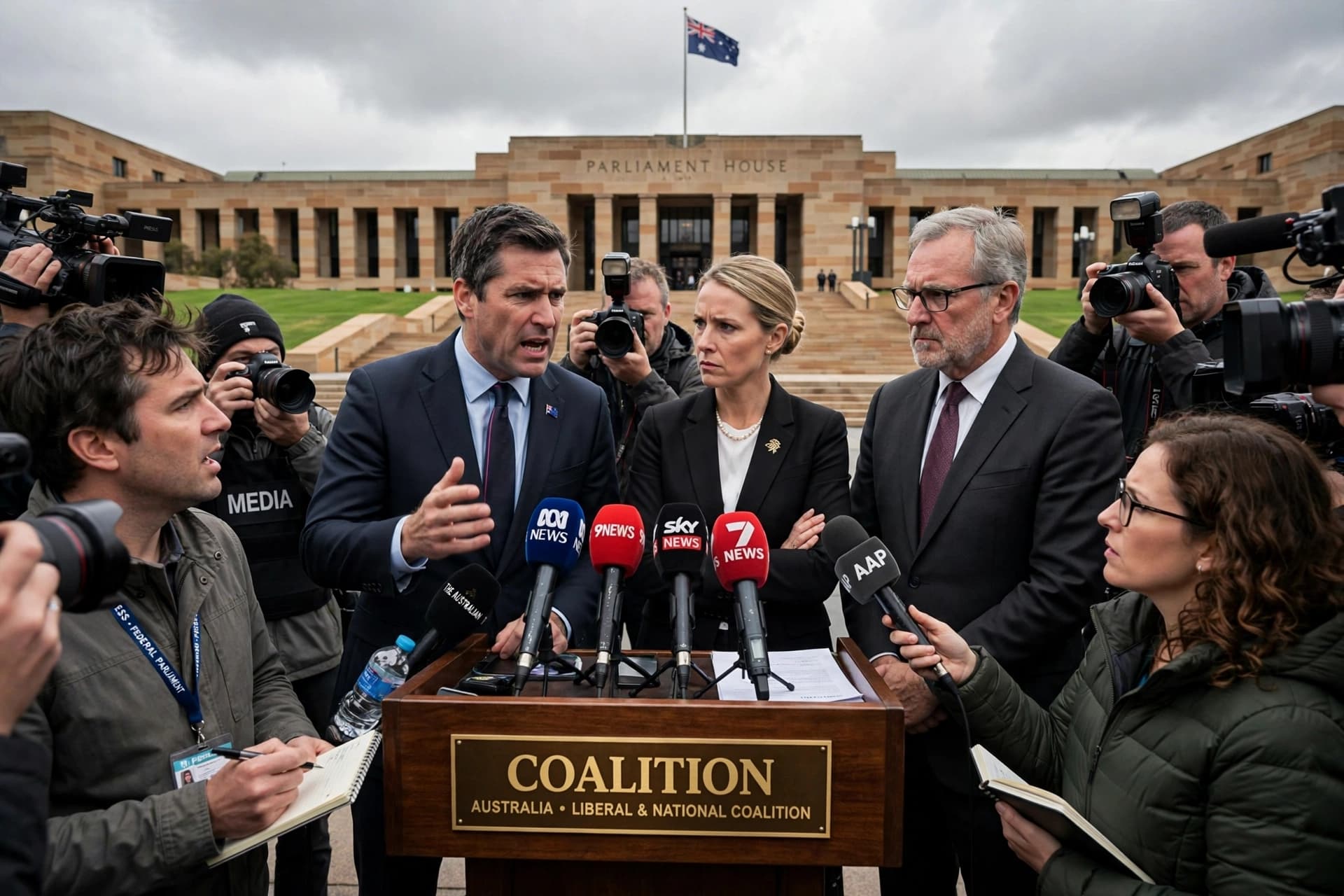
In a contentious geopolitical climate, the NATO Secretary General's recent remarks have sparked outrage among diplomats and peace advocates alike. During a press conference, he expressed unwavering support for military strategies, contradicting the diplomatic efforts that many believed were leading to a potential breakthrough in peace talks.
The Secretary General's comments came at a crucial moment when various parties were making strides towards negotiation. Experts assert that such statements can be perceived as a lack of commitment to peaceful resolutions. Analysts suggest that this stance might alienate key players who were previously open to dialogue, thereby exacerbating existing tensions.
Moreover, allied nations have expressed concern over the Secretary General's approach, fearing that it could undermine their efforts to maintain a united front in pursuing peace. Diplomatic channels that were once buzzing with constructive discussions now face uncertainty, raising questions about the viability of future negotiations.
As the situation evolves, the call for a balanced approach to diplomacy grows louder. Many are urging NATO to reaffirm its commitment to peace alongside its strategic military objectives, emphasizing that cooperation, rather than confrontation, is vital to achieving long-lasting stability. The fallout from these statements will likely influence not only current talks but also the broader international landscape in the months to come.
In the wake of these developments, all eyes remain on NATO and the involved nations as they navigate the fragile path toward potential reconciliation.
Published by Banx Network. This article is part of the Banx decentralized media programme, powered by the BXE token on the XRP Ledger.

.jpg&w=3840&q=75 "Trump Administration Hits International Criminal Court With Severe Sanctions")