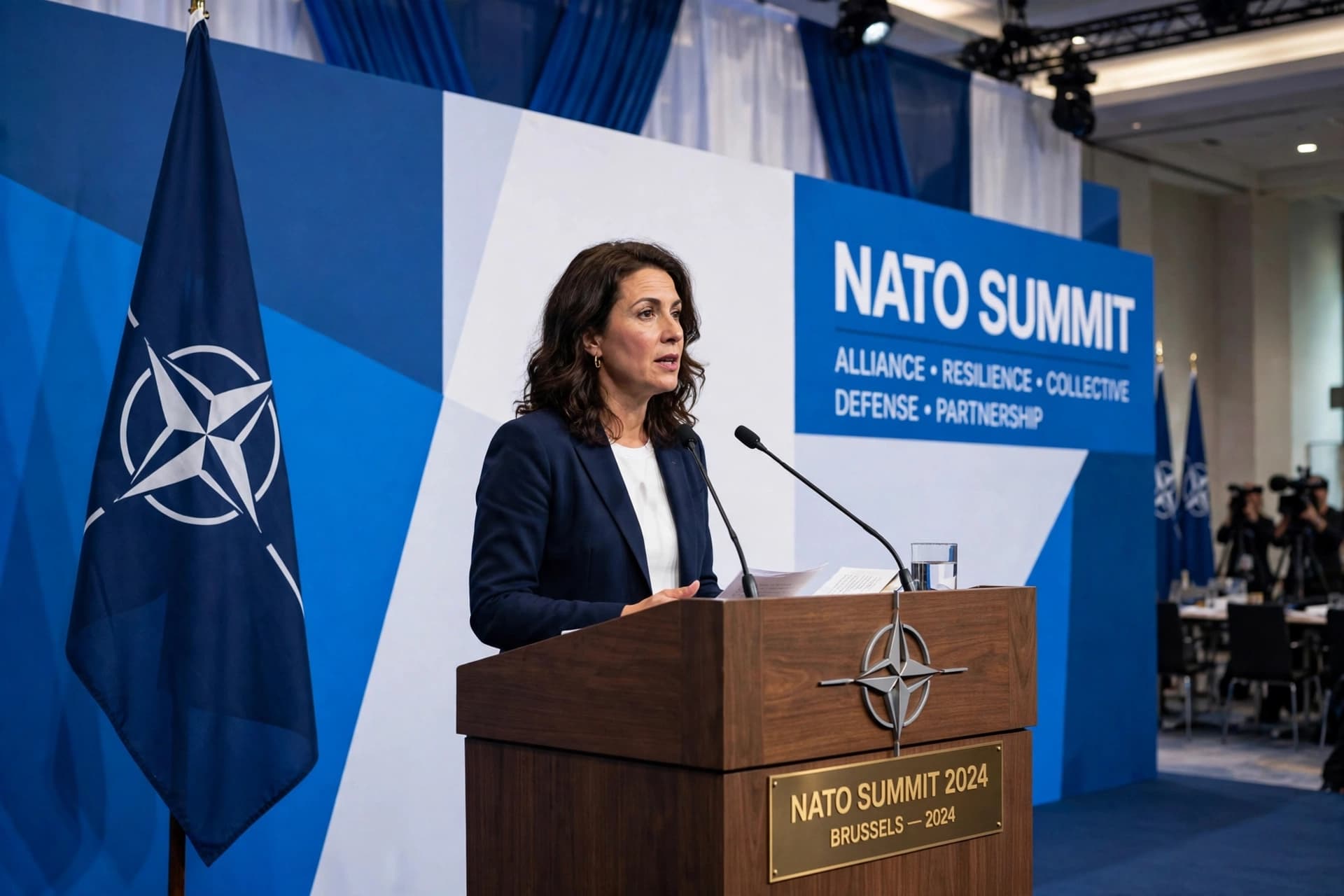
There is a particular kind of confidence that does not raise its voice. It simply states what it believes to be true and waits for the world to catch up. On Wednesday in Brussels, NATO Secretary General Mark Rutte offered that kind of confidence in response to Russian nuclear warnings over Kaliningrad, the Russian exclave nestled between Poland and Lithuania. Russia had reportedly sent a letter warning NATO against any attempt to cut off the territory, saying it was prepared to use its "entire arsenal," including nuclear weapons. Rutte's response was brief and unshaken .
"Putin knows that he can never win against NATO, so I don't take this seriously," Rutte said at the Euronews Defense and Space Summit. "There's no way they can ever beat us" . He added that NATO would defend "every inch of NATO territory" and that the threat of imminent nuclear escalation was not real .
The Kremlin confirmed that Russia had transmitted nuclear warnings to NATO, framing them as a reminder to "hotheads" in Europe about Moscow's policy if Kaliningrad were isolated . The warning followed a pattern of Russian messaging that has accompanied its war in Ukraine, where the conflict continues with heavy casualties on both sides. Rutte claimed Russia is suffering 43,000 troops killed or seriously wounded each month, a figure that, if accurate, underscores the staggering human cost of the war .
Rutte framed the nuclear rhetoric as a symptom of Russian weakness rather than strength. "The most important thing is this is all happening because the war is not going well for him in Ukraine," Rutte said. "He wants to divide us. He wants us to lose attention when it comes to Ukraine" . He called on Russia to "stop the nuclear threat" and "stop the war in Ukraine, which is an unprovoked war of aggression" .
The NATO chief also addressed Europe's broader security role, arguing that the continent must become more capable of handling threats without relying so heavily on Washington. "Why are the Americans doing it, taking out the Iranian nuclear capability? Because we can't," he said. "But in the future, we have to make sure that as Europeans, we can do this ourselves" . He emphasized that increased European defense spending should allow the continent to assume greater responsibility while keeping the United States engaged in both conventional and nuclear defense .
Rutte quoted Polish Foreign Minister Radosław Sikorski in reinforcing NATO's resolve: "In response to any hybrid threat directed at Poland, we will do more for Ukraine, not less" . The message was clear: threats from Moscow would not diminish Western support for Kyiv, but rather strengthen it.
The nuclear warnings from Russia have been met with calm from NATO leadership, but they reflect the persistent tension between the alliance and Moscow. Rutte's dismissal was not flippant. It was a calculated signal that NATO does not believe Russia is prepared to follow through on its most extreme threats, and that the alliance's conventional and nuclear deterrence remains credible. The question, as ever, is whether that assessment holds.
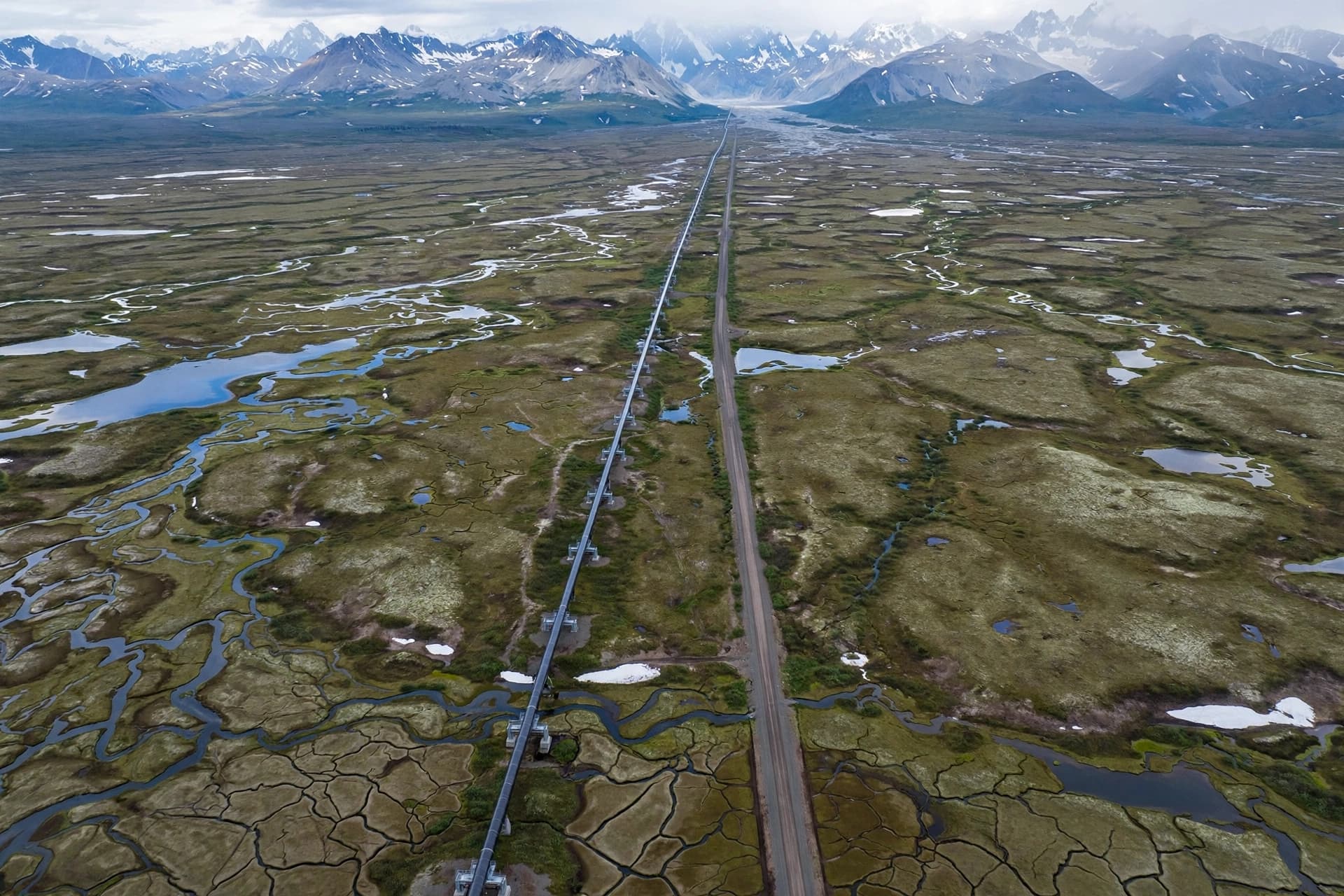
AI Image Disclaimer: The accompanying images in this report were created with artificial intelligence and are intended for conceptual representation only.
Sources: Anadolu Ajansı, Polish Press Agency, TVP Info, Agerpres, Forces News
Published by Banx Network. This article is part of the Banx decentralized media programme, powered by the BXE token on the XRP Ledger.