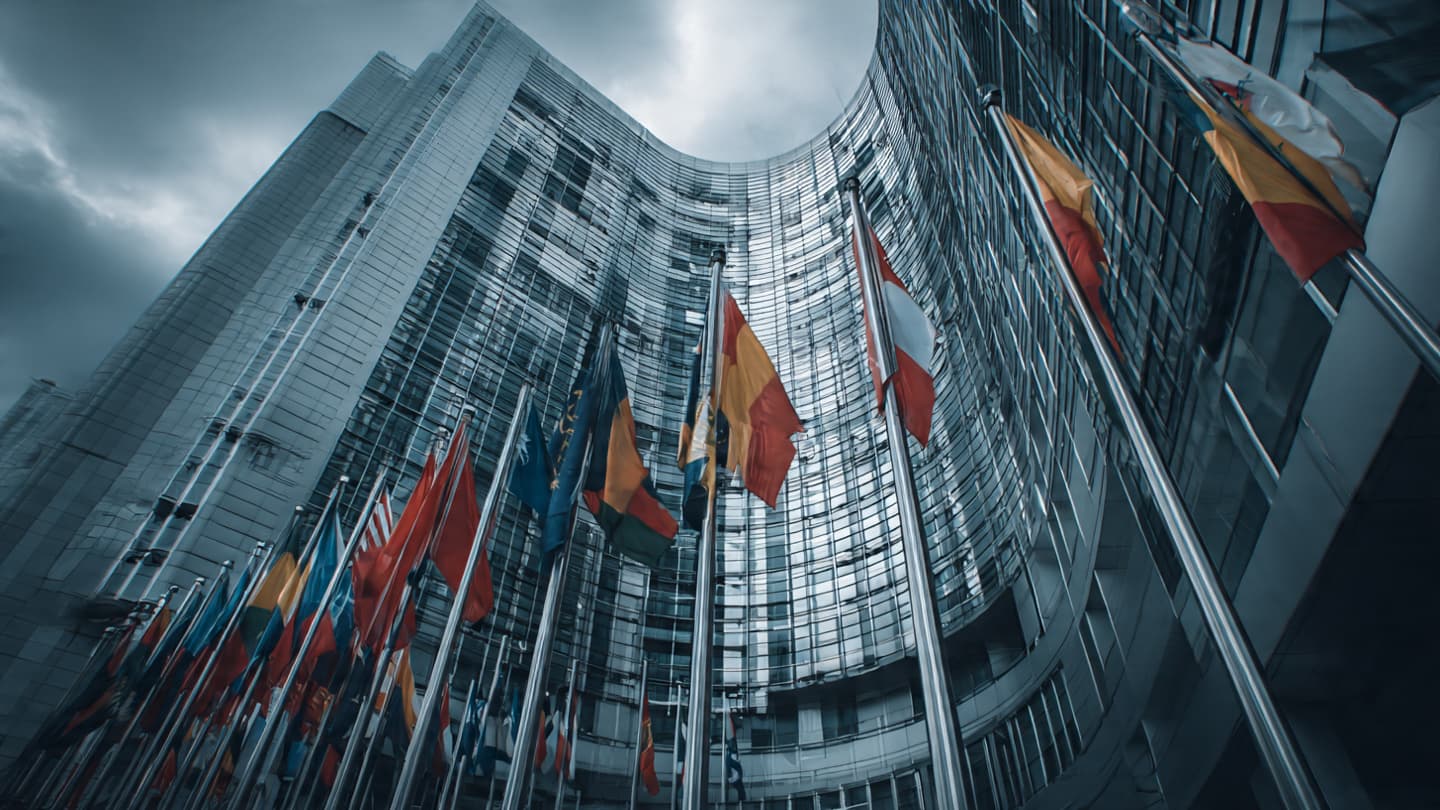
Across Europe’s security landscape, the idea of stability has often rested on familiar structures, much like old bridges carrying the weight of changing traffic over decades. NATO, formed in a very different geopolitical era, now finds itself navigating a period many analysts describe as one of the most complex transitions since the end of the Cold War.
Reports and analyses referenced by outlets such as Reuters, BBC, Financial Times, and Associated Press describe a shifting strategic environment shaped by renewed great-power competition, ongoing conflict in Europe, and evolving defense commitments among member states. Within this context, NATO’s role continues to be reassessed through both political and military lenses.
The alliance, originally designed for collective defense in a bipolar world, has gradually expanded its scope and membership over the past three decades. This expansion has brought both increased strategic reach and more complex internal coordination challenges among member nations with differing security priorities.
Recent global developments, particularly the war in Ukraine and heightened tensions with Russia, have intensified debates within NATO regarding deterrence, defense spending, and readiness. Member states have increased military budgets in response to perceived security risks, while also discussing long-term strategic adaptation.
At the same time, NATO faces questions about technological transformation, including cyber defense, hybrid warfare, and emerging military technologies. These developments have broadened the definition of security beyond traditional land, air, and sea domains.
Diplomatic cohesion remains a central factor in NATO’s effectiveness. While member states share a collective defense commitment under Article 5, national political changes and domestic priorities can influence how defense strategies are implemented and sustained over time.
Analysts note that this period is not defined by a single crisis, but rather by overlapping pressures that test the alliance’s flexibility. The challenge lies in maintaining unity while adapting to evolving threats that are less predictable and more interconnected than in previous decades.
As discussions continue within policy and defense circles, NATO’s trajectory appears shaped by both continuity and adaptation, reflecting an alliance still rooted in its founding principles while responding to a rapidly changing global order.
Disclaimer: Some visuals accompanying this article were generated using AI for editorial illustration purposes.
Sources: Reuters, BBC, Financial Times, Associated Press, NATO official statements
Published by Banx Network. This article is part of the Banx decentralized media programme, powered by the BXE token on the XRP Ledger.