
Key Highlights
- NATO intends to negotiate with Saab for GlobalEye aircraft.
- The GlobalEye is designed to replace aging E-3 AWACS systems.
- Canada sees potential benefits from NATO's decision, including local manufacturing.
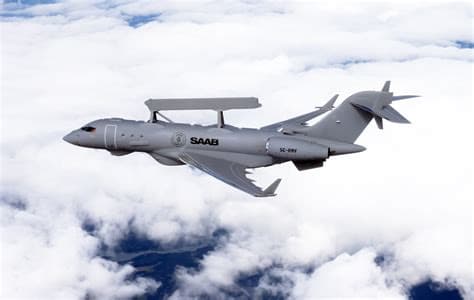
NATO has announced its intention to pursue Saab's GlobalEye as a replacement for its aging fleet of E-3 AWACS (Airborne Warning and Control System) aircraft. This decision, revealed by NATO Secretary General Mark Rutte during the recent summit in Ankara, Turkey, marks a significant step towards modernizing the alliance's aerial surveillance capabilities. The GlobalEye is expected to enhance detection and tracking of complex threats, including drone swarms, ballistic missiles, and cruise missiles, which are increasingly relevant in today's security landscape.
The GlobalEye platform is based on the Bombardier Global 6500 aircraft, integrating advanced radar and sensor systems developed by Saab. The Swedish manufacturer has emphasized that the GlobalEye program is designed to provide long-term operational advantages, boasting a proven capability profile for advanced airborne early warning and control. This capability is crucial for NATO as it seeks to adapt to evolving threats in a rapidly changing geopolitical environment.
For Canada, NATO's announcement presents a potential boost to its defense procurement strategy. The Canadian government has been evaluating a plan to acquire GlobalEye aircraft, which aligns with its objectives to enhance surveillance capabilities, particularly in the Arctic region. The procurement is framed around strengthening national security and ensuring that Canada can effectively monitor its vast northern territories.
Moreover, Saab has indicated plans to establish a manufacturing hub in Canada for the production of GlobalEye aircraft. This initiative could link NATO's efforts with significant industrial benefits for the Canadian aerospace sector, potentially creating jobs and fostering technological advancements within the country. Such developments are particularly appealing to Canadian policymakers who are keen on maximizing domestic economic benefits from defense spending.
However, the decision to pursue GlobalEye also raises political and procurement sensitivities. The United States has been pressuring NATO allies to increase their purchases of U.S.-made military equipment, which could complicate Canada's procurement process. As Canada and other NATO partners move forward with the GlobalEye under a multinational framework, discussions surrounding the balance between domestic production and U.S. defense procurement priorities are likely to emerge.
In summary, NATO's commitment to Saab's GlobalEye not only signifies a strategic shift in aerial surveillance capabilities but also presents an opportunity for Canada to enhance its defense posture while potentially benefiting its domestic aerospace industry. The coming months will be critical as negotiations unfold and the implications of this decision become clearer for all stakeholders involved.
Published by Banx Network. This article is part of the Banx decentralized media programme, powered by the BXE token on the XRP Ledger.



