Beneath our feet lies a universe of microscopic life, a hidden ecosystem that quietly dictates the health of the world above. For decades, acidic soils have posed a significant challenge to agriculture, limiting nutrient availability and stunting crop growth across vast regions of the globe. Yet, within this challenging environment, native microbes are emerging as unsung heroes, offering a natural and sustainable path to soil revival and enhanced agricultural productivity.
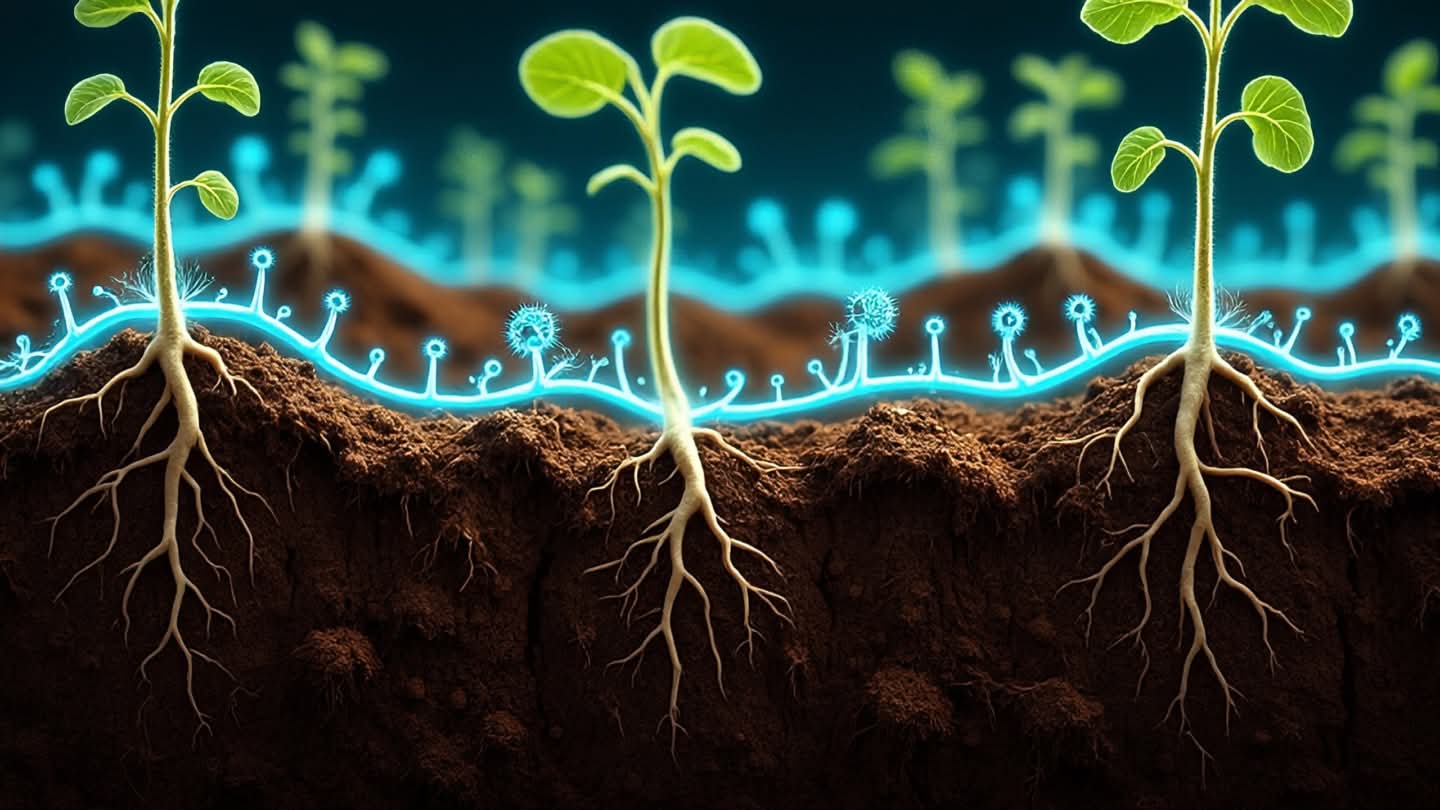
Recent research has highlighted the remarkable ability of indigenous microbial communities to restore balance to acidic soils. Unlike chemical treatments that offer temporary relief, these microbes work in harmony with the soil’s existing structure, gradually raising pH levels and improving nutrient cycling. By forming symbiotic relationships with plant roots, they help crops access essential minerals that were previously locked away by acidity, leading to healthier and more resilient plants.
The process is akin to healing a wound from within. Instead of imposing an external solution, scientists are learning to nurture the soil’s innate capacity for self-repair. Specific strains of bacteria and fungi, when introduced or encouraged, can break down toxic aluminum compounds and release phosphorus, transforming barren land into fertile ground. This biological approach not only boosts crop yields but also reduces the need for synthetic fertilizers, lowering costs and environmental impact.
Farmers who have adopted these microbial strategies report significant improvements in soil texture and water retention. The revived soil becomes a sponge, holding moisture during dry spells and draining excess water during heavy rains. This resilience is increasingly vital in the face of climate change, where weather patterns are becoming more unpredictable and extreme. Healthy soil acts as a buffer, protecting crops from the shocks of drought and flood.
The economic benefits are equally compelling. By reducing dependency on expensive chemical inputs, farmers can improve their profit margins while contributing to long-term sustainability. Smallholder farmers in developing regions, where acidic soils are prevalent, stand to gain the most from these low-cost, high-impact solutions. It represents a shift toward agriculture that is both productive and regenerative, honoring the land rather than exhausting it.
Scientific collaboration continues to refine these microbial consortia, identifying the most effective combinations for different soil types and crops. Researchers are mapping the genetic traits that allow certain microbes to thrive in acidic conditions, paving the way for targeted bio-inoculants. This precision agriculture approach ensures that interventions are tailored to local needs, maximizing effectiveness and minimizing unintended consequences.
Beyond the field, the revival of acidic soils has broader ecological implications. Healthier soils support greater biodiversity, providing habitats for insects, birds, and other wildlife. They also play a crucial role in carbon sequestration, helping to mitigate climate change by storing carbon in stable organic forms. Thus, the work of these tiny organisms contributes to global environmental goals, linking local farming practices to planetary health.
As we look to the future of food security, the lesson is clear: sometimes the best solutions are already present, waiting to be understood and supported. By listening to the wisdom of native microbes, we can cultivate a more sustainable and abundant harvest, ensuring that the earth remains fruitful for generations to come.
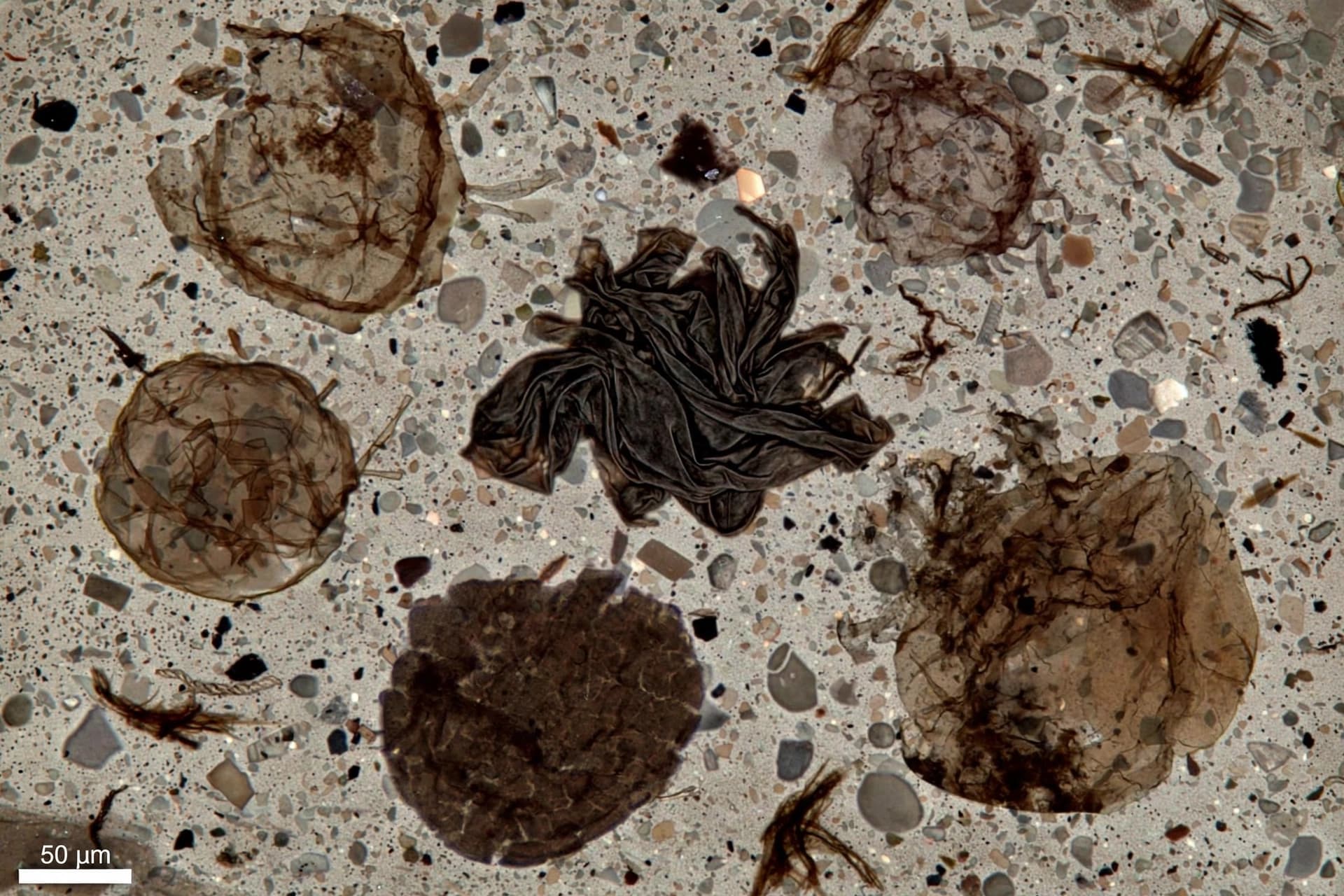
AI Image Disclaimer: The visual elements in this article are AI-generated illustrations depicting the microscopic beauty of soil biology and healthy agricultural landscapes.
Sources: Nature Communications, Frontiers in Microbiology, USDA Natural Resources Conservation Service, ScienceDaily
Published by Banx Network. This article is part of the Banx decentralized media programme, powered by the BXE token on the XRP Ledger.