In the rhythm of public life, science is often perceived as something distant—carefully contained within laboratories, universities, and research institutions. Yet once a year, that distance narrows. Australia’s National Science Week 2026 arrives as a reminder that scientific curiosity is not only for specialists, but for entire communities.
Body: National Science Week is one of Australia’s largest annual celebrations of science and technology, bringing together researchers, educators, students, and the public. The 2026 edition, scheduled for August, is expected to feature events across cities, regional towns, and online platforms.
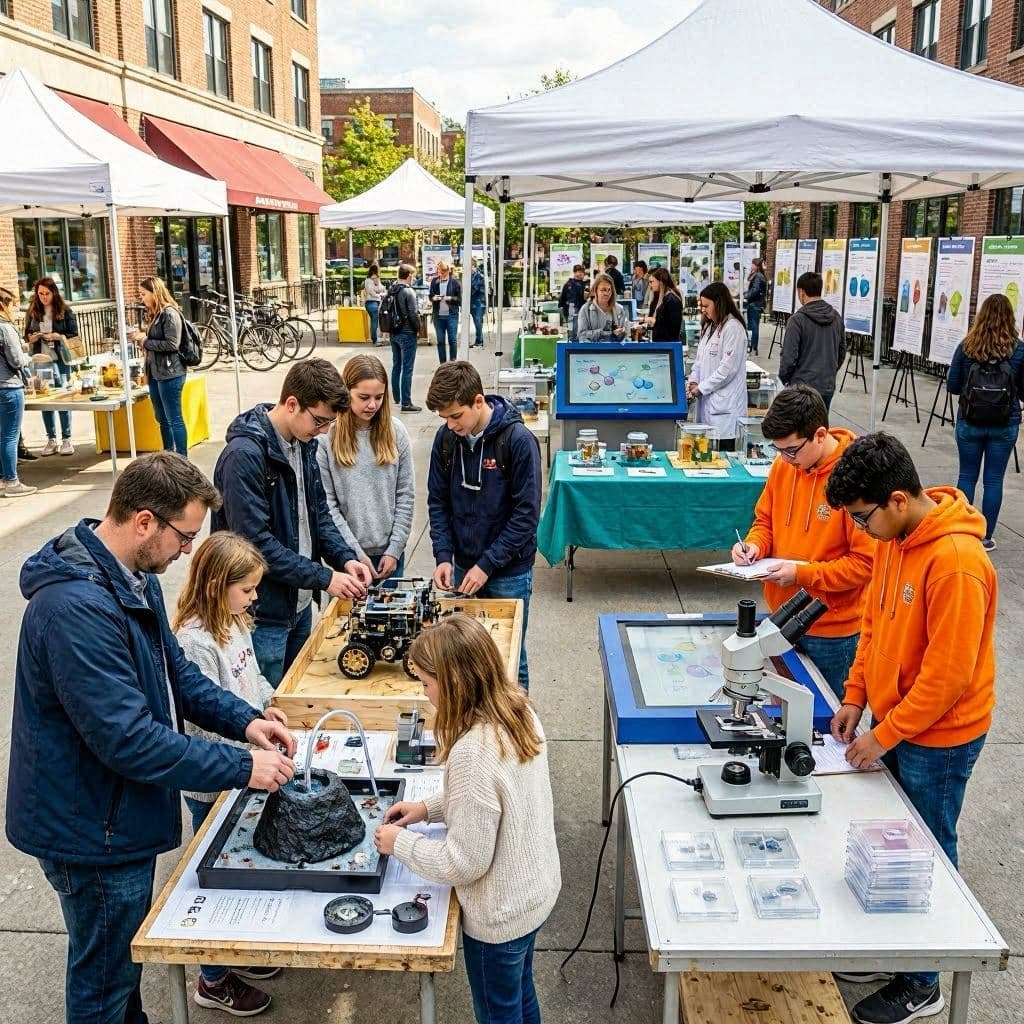
The program typically includes public lectures, interactive exhibitions, school-based activities, and community workshops. These events are designed to make complex scientific ideas more accessible and engaging for a broad audience.
Organizers emphasize that science communication plays a key role in fostering public understanding of topics such as climate change, space exploration, medical research, and emerging technologies. By bridging the gap between researchers and the public, the initiative supports informed discussion.
In recent years, Science Week has also expanded its digital presence, allowing wider participation beyond physical venues. Online sessions, virtual experiments, and live-streamed discussions have made scientific content more widely available.
Educational institutions play a central role in the event, often integrating Science Week themes into classroom activities. This helps encourage early interest in STEM fields—science, technology, engineering, and mathematics—among younger students.
The broader goal of the initiative is not only to showcase scientific achievements but also to highlight the process of discovery itself, including uncertainty, experimentation, and gradual progress.
Closing: As preparations continue, National Science Week 2026 is expected to once again connect science with the public in meaningful ways. The event reflects a continuing effort to make scientific knowledge part of everyday cultural life.
AI Image Disclaimer: This article includes AI-generated visuals used for editorial illustration purposes only.
Sources (source verification check): Science Week Australia, ABC News Australia, Australian Academy of Science, Reuters
Published by Banx Network. This article is part of the Banx decentralized media programme, powered by the BXE token on the XRP Ledger.