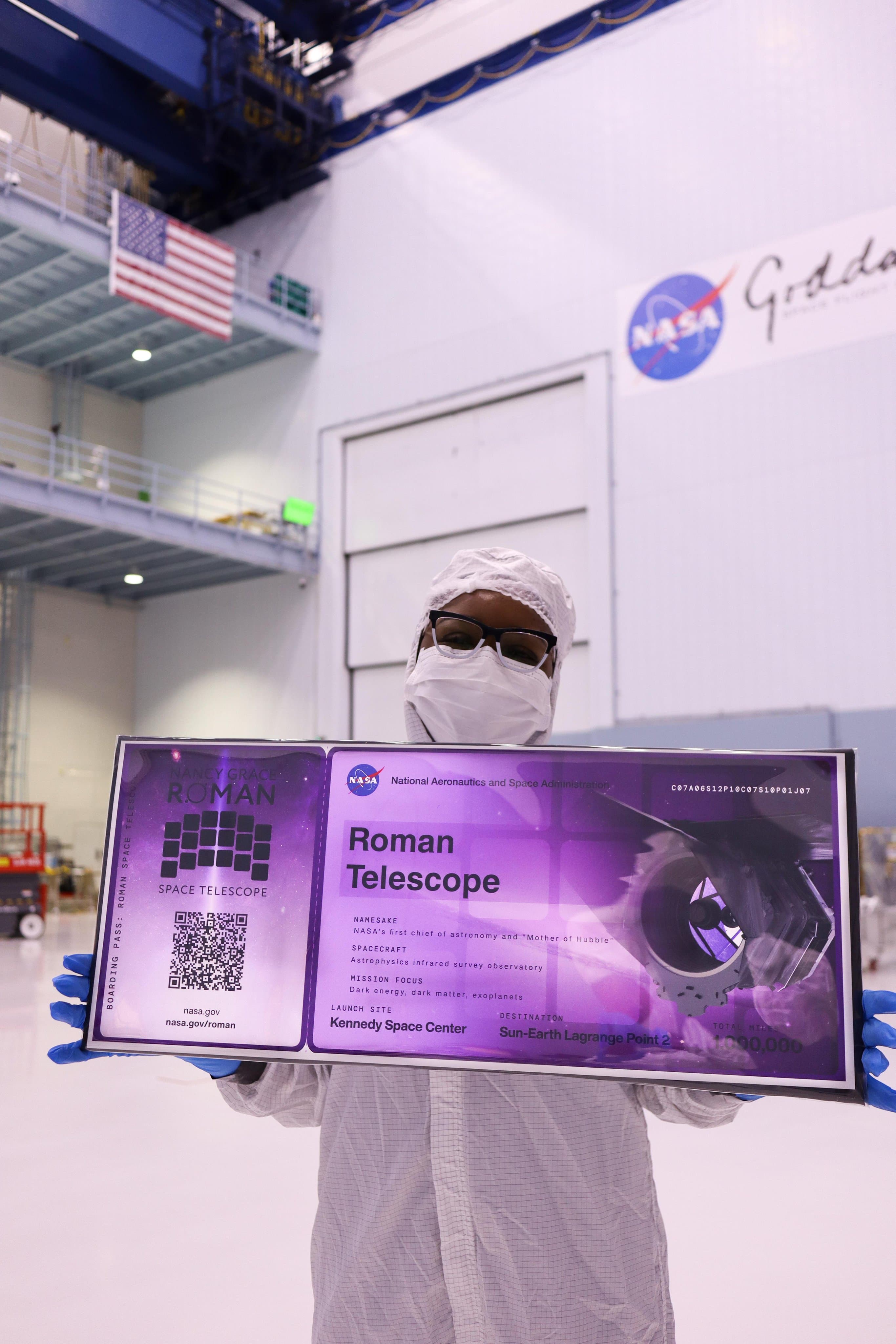
NASA’s upcoming Roman Space Telescope mission represents a major step forward in humanity’s effort to better understand the universe. The advanced observatory is designed to study distant galaxies, search for planets beyond our solar system, and investigate some of the biggest unanswered questions in astronomy. The mission will provide scientists with powerful new tools to examine the structure and history of the universe. By collecting detailed information from space, the telescope is expected to help researchers study dark energy, galaxy formation, and the evolution of planetary systems. Unlike traditional space missions focused on a single target, the Roman Space Telescope will survey large areas of the sky. This wide-field approach allows scientists to gather massive amounts of data and identify patterns that may reveal new information about how the universe developed over billions of years. One of the mission’s key goals is studying planets outside our solar system. By observing distant worlds, scientists hope to improve understanding of planetary formation and identify environments that could potentially support life. The mission also represents the continued advancement of space technology. Improvements in telescope design, imaging capabilities, and data analysis are allowing researchers to explore areas of space that were previously difficult to observe. NASA’s investment in advanced missions demonstrates the importance of scientific exploration and long-term research. Discoveries from space missions often lead to new technologies and a deeper understanding of Earth’s place within the universe. As the Roman Space Telescope prepares for its mission, scientists around the world are anticipating the discoveries it may produce. The project could become one of the most important astronomy missions of the coming decades.
Published by Banx Network. This article is part of the Banx decentralized media programme, powered by the BXE token on the XRP Ledger.