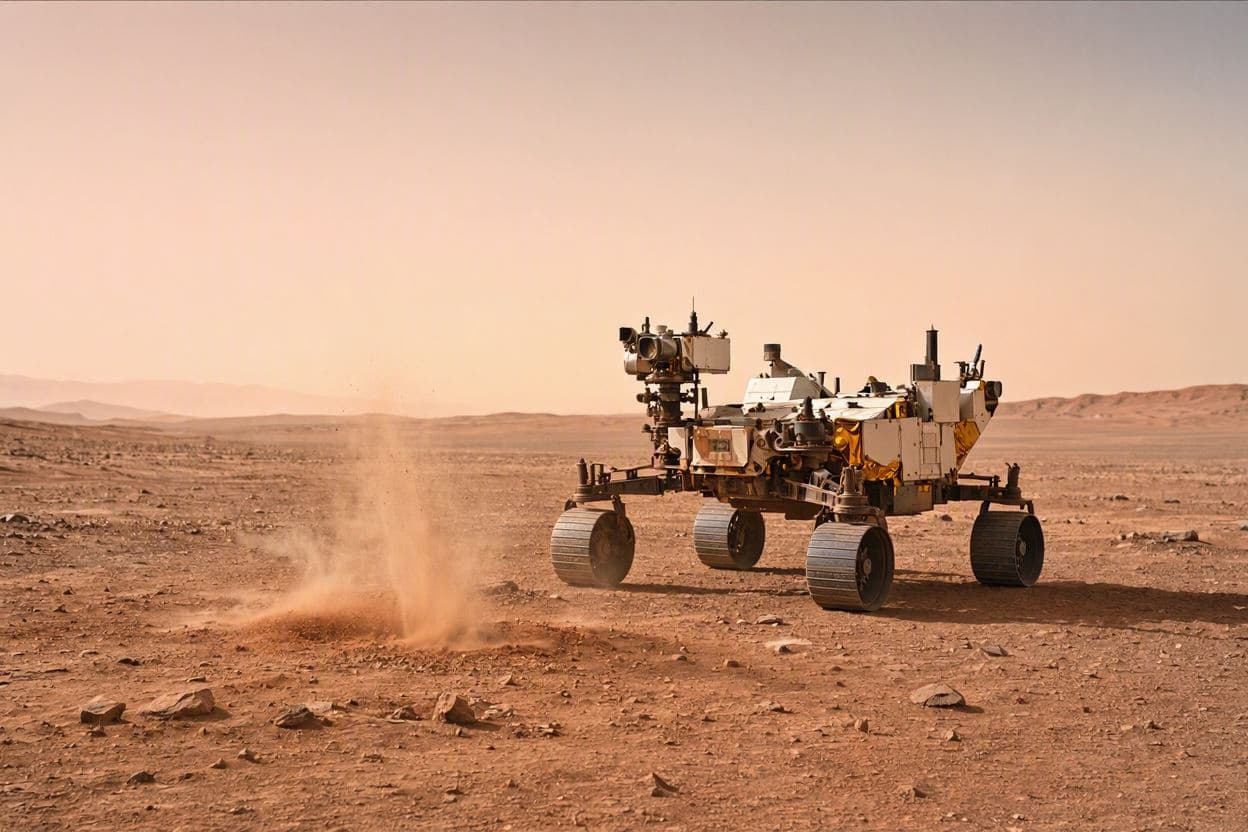
On the red, dusty surface of Mars, silence has reigned for billions of years. But recently, that silence was broken by the precise impact of five small projectiles, fired not by aliens, but by scientists on Earth. NASA’s Perseverance rover, equipped with a unique capability, "punched" five holes into the Martian soil, creating tiny craters to study the subsurface. The results were unexpected, revealing insights about the planet’s composition that surface scans alone could not provide. It is a reminder that sometimes, to understand a world, you must dig a little deeper.
The experiment was part of a broader effort to analyze the physical properties of the Martian regolith. By firing projectiles into the ground, engineers could measure the resistance and density of the soil beneath the dusty layer. This data helps scientists understand how the surface formed and how it might support future human missions. The "holes" were not large, but their scientific value was immense, offering a glimpse into the hidden layers of the planet.
The surprise came in the form of unexpected hardness and cohesion in the subsurface material. Previous orbital data had suggested looser, sandier soil, but the impact tests revealed a more compact structure. This finding has implications for understanding the geological history of Jezero Crater, where Perseverance is exploring. It suggests that water may have played a different role in cementing the soil than previously thought, adding complexity to the story of ancient Mars.
For the engineering team, the success of the test validates the rover’s versatile toolkit. Perseverance is not just a geologist’s assistant but also a physicist’s probe, capable of conducting dynamic experiments in real-time. The ability to interact physically with the environment, rather than just observing it remotely, expands the scope of what robotic missions can achieve. It is a step toward more active exploration strategies.
The data collected will also inform the design of future landing systems. Understanding the mechanical properties of the soil is crucial for ensuring that spacecraft can land safely and that rovers can traverse the terrain without getting stuck. The "surprise" of harder soil means that engineers may need to adjust their models for future missions, ensuring that wheels and legs are built to handle tougher conditions.
Public interest in such detailed scientific work is a testament to the enduring fascination with Mars. Each discovery, no matter how small, adds to the mosaic of knowledge we are building about our neighboring planet. The idea of "punching holes" in Mars captures the imagination, turning abstract science into a tangible action. It makes the remote feel immediate and the unknown feel accessible.
As Perseverance continues its journey, it carries with it the hopes of discovering signs of ancient life. The subsurface data may help identify promising locations for drilling deeper samples, where biosignatures might be preserved. Every test, every measurement, brings us closer to answering the ultimate question: Are we alone in the universe? The five holes are small steps in a giant leap for understanding.
In the end, the surprise revealed by the craters is a celebration of curiosity. It shows that even in a well-studied place like Mars, there are still secrets to uncover. By probing the unseen, NASA continues to push the boundaries of knowledge. The red planet remains a source of wonder, inviting us to look closer, dig deeper, and dream bigger.
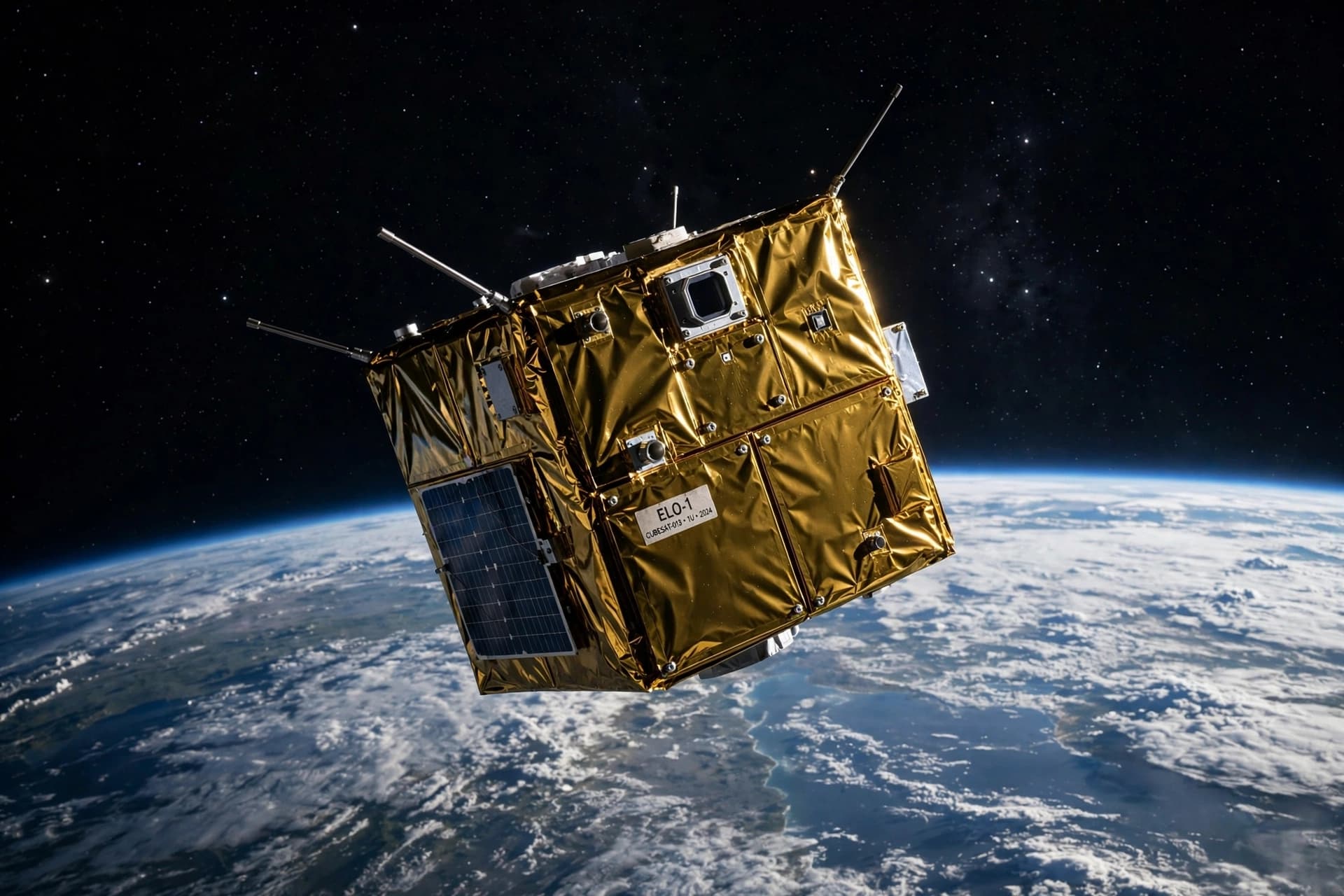
AI Image Disclaimer: The visual aids included here are AI-generated illustrations depicting Mars exploration concepts and rover activities, not actual photographs of the specific impact sites or raw data visualizations.
Sources: ScienceAlert NASA Jet Propulsion Laboratory The Conversation
Published by Banx Network. This article is part of the Banx decentralized media programme, powered by the BXE token on the XRP Ledger.