
Key Highlights
- Incident:Iran seized two foreign oil tankers in the Persian Gulf.
- Context:The seizure reflects ongoing maritime tensions in the region.
- Impact:Global energy markets are closely monitoring the situation.
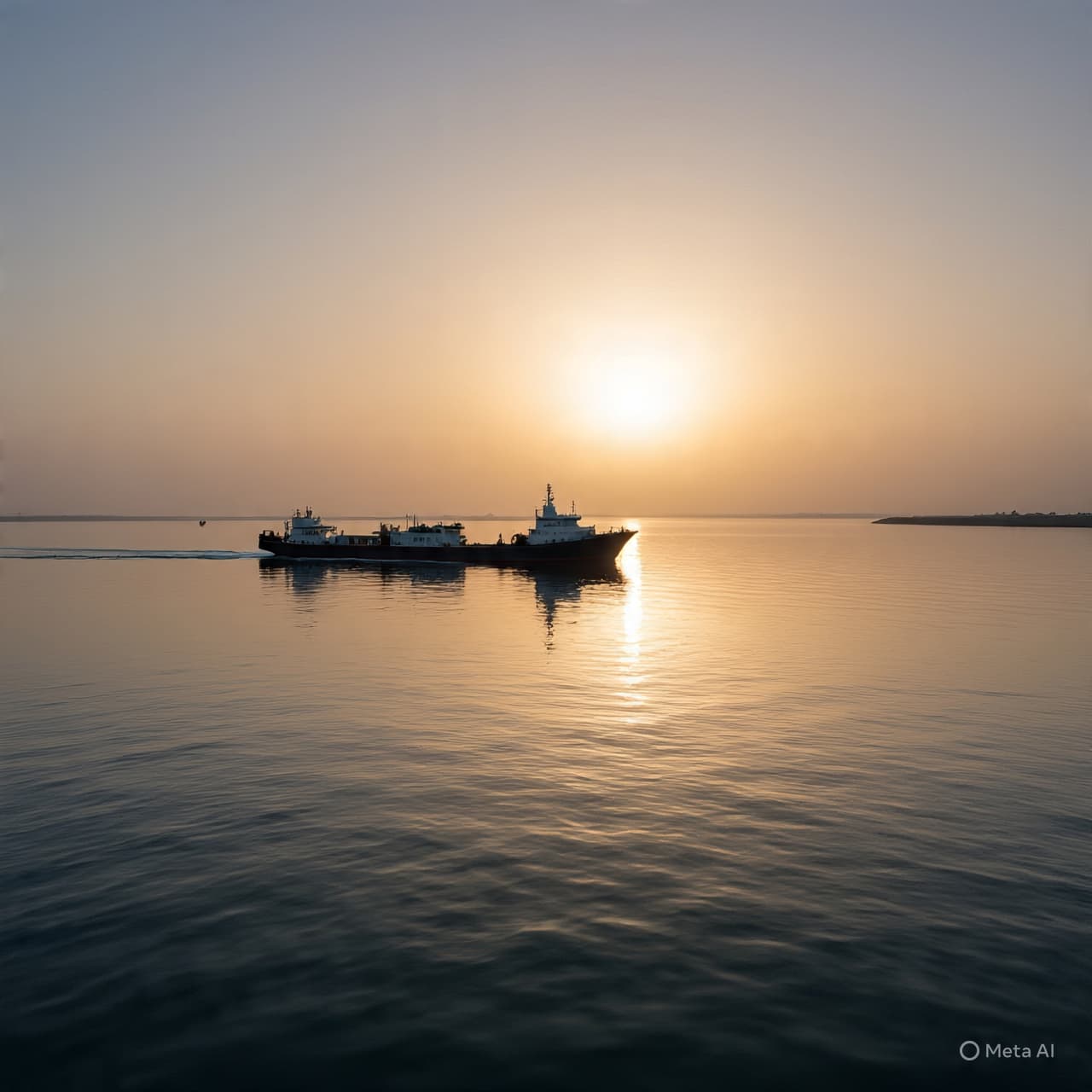
The dawn in the Persian Gulf often arrives with a muted glow, casting light across waters that have long been a conduit for trade and tension. Tankers navigate these narrow waters, their paths dictated by maritime charts and a deep-seated understanding that vigilance is paramount. Amid this routine, any disruption resonates deeply, underscoring the fragility of stability in the region.
Recently, Iranian state media reported the seizure of two foreign oil tankers, an event that quickly folded into the region's ongoing narrative of pressure and response. The announcement was straightforward, framing the action as enforcement of maritime regulations, yet the implications of such a move extend far beyond the vessels involved. In this strategic waterway, no action is isolated; every maneuver sends ripples through global markets and diplomatic channels.
Seizures have become a familiar lexicon in the Gulf, shaped by a complex interplay of sanctions, naval patrols, and competing claims of authority. Iran has historically justified such actions under the guise of enforcing maritime laws, while Western governments and shipping entities interpret them as strategic signals—messages conveyed through altered shipping routes and escalating insurance premiums. Each incident adds to a collective memory, making today's headlines echo with the anxieties of the past.
Initial reports did not clarify the nationalities of the seized tankers, and details remained scant, as is often the case in the early stages of such incidents. However, the setting was unmistakable: a vital stretch of water for global energy supplies, where even minor disruptions attract the scrutiny of traders and policymakers alike. Market analysts monitor fluctuations, diplomats choose their words carefully, and crews aboard the vessels await instructions that must balance safety with the need for continuity.
For the sailors caught in this situation, the experience narrows to the confines of metal corridors and halted engines, with the uncertainty of time stretching endlessly. For governments, it becomes yet another entry in a ledger of maritime incidents that test resolve without escalating into outright conflict. The Persian Gulf has long maintained this precarious balance, absorbing shocks while remaining essential to the global economy.
As the day progressed, the news of the tankers' seizure settled into the broader media landscape, serving as a stark reminder of how fragile normalcy can be in these waters. While the seizure did not close the sea, it certainly slowed the discourse surrounding it, redirecting attention to the enduring reality of the Persian Gulf: its calm is always temporary, and its currents carry more than just water.
Published by Banx Network. This article is part of the Banx decentralized media programme, powered by the BXE token on the XRP Ledger.



