In the annals of naval history, ships are often named to honor heroes, battles, or presidents, serving as floating monuments to the nation’s values. Currently, a controversy has emerged regarding the naming of the next Ford-class aircraft carrier, CVN-81. Originally designated to honor Doris "Dorie" Miller, a Black mess attendant who became a hero during World War II, reports suggest the Navy may consider renaming it to honor former President Donald Trump. This potential shift has sparked a debate about legacy, recognition, and the criteria for such high honors.
Doris Miller’s story is one of extraordinary courage under fire. During the attack on Pearl Harbor, he manned an anti-aircraft gun despite having no formal training, helping to defend his ship and fellow sailors. His actions challenged the racial barriers of the time and earned him the Navy Cross, making him a symbol of bravery and equality. Naming a carrier after him was seen as a long-overdue recognition of African American contributions to the military.
The possibility of renaming the ship for President Trump reflects the political dynamics of the current administration. Supporters argue that Trump’s policies, including military expansion and veteran support, warrant such an honor. They view the naming as a fitting tribute to his impact on the armed forces. However, critics see it as a reversal of progress in diversifying historical recognition, potentially overshadowing the achievements of minority veterans.
For the military community, the decision carries significant weight. Ships are part of the service’s identity, and their names reflect the values it upholds. Changing the name of CVN-81 could be perceived as prioritizing political loyalty over historical merit. It raises questions about the consistency of naming conventions and the message sent to current and future service members about whose stories matter.
The debate has drawn attention from civil rights groups, veterans’ organizations, and political leaders. Many have expressed concern that removing Miller’s name would diminish the visibility of Black heroes in naval history. They argue that recognition should be inclusive, celebrating diverse contributions rather than replacing them. The conversation highlights the ongoing struggle for equitable representation in national narratives.
Naval officials have stated that the final decision rests with the Secretary of the Navy and the President, following established protocols. While no official change has been announced, the speculation itself has ignited public discourse. It underscores the power of symbolism in public policy and the emotional resonance of historical memory. The outcome will likely influence future naming decisions and the broader cultural dialogue.
For Doris Miller’s family and supporters, the potential renaming is a source of anxiety and disappointment. They have advocated for decades to ensure his legacy is preserved and honored. A change in name would feel like a erasure of that hard-won recognition. Their voices are a crucial part of the conversation, reminding the nation of the human stories behind the symbols.
In the end, the naming of CVN-81 is more than a bureaucratic choice; it is a statement of national values. It challenges us to consider how we remember our past and who we choose to celebrate. Whether the ship bears the name of a wartime hero or a former president, the discussion itself is a testament to the importance of history and honor. The hope is that the decision will reflect a commitment to inclusivity and respect for all who have served.
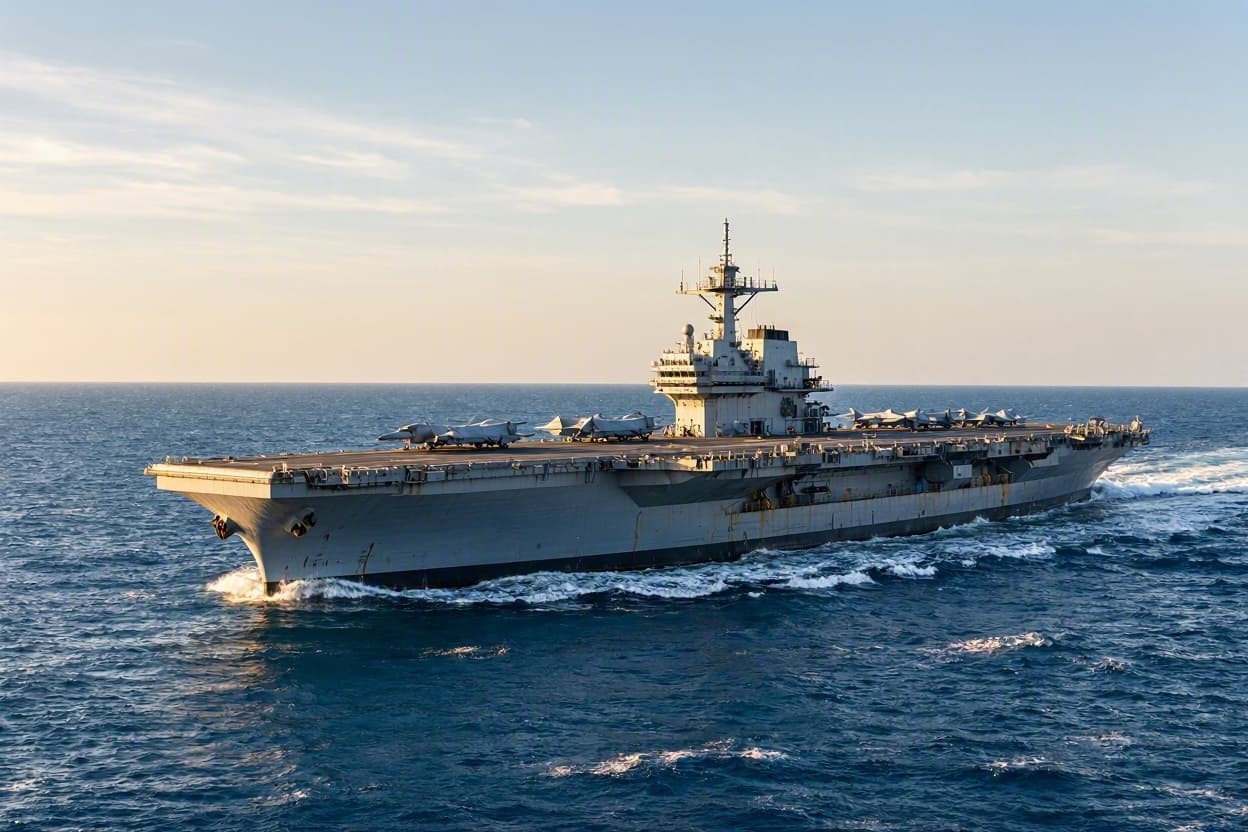
AI Image Disclaimer: Visuals in this article are AI-generated illustrations of naval vessels and abstract representations of historical legacy, designed to visualize the theme of ship naming without depicting real proprietary ship designs or specific political figures.
Sources: USA Today, CNN, Fox 43, The Hill
Published by Banx Network. This article is part of the Banx decentralized media programme, powered by the BXE token on the XRP Ledger.