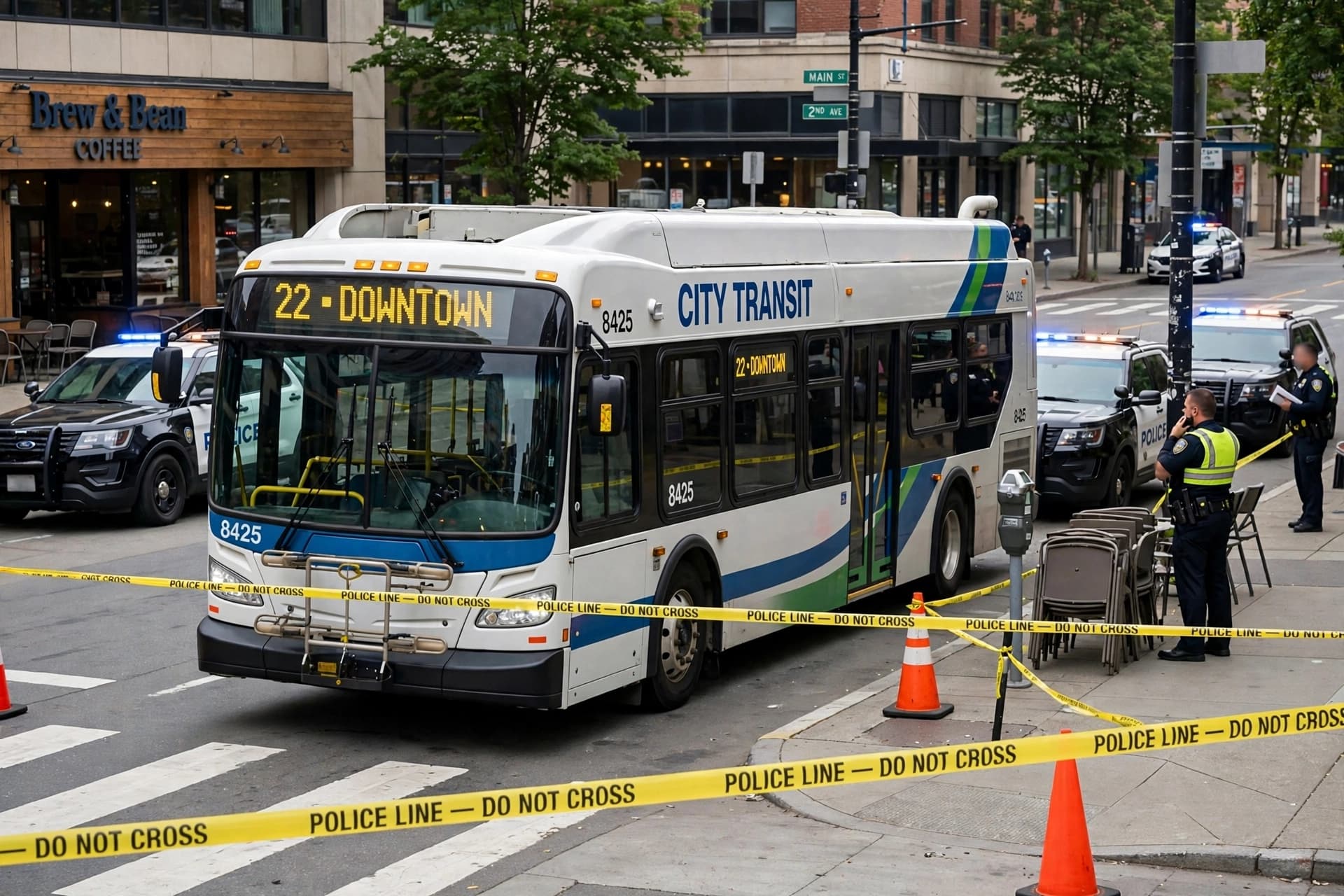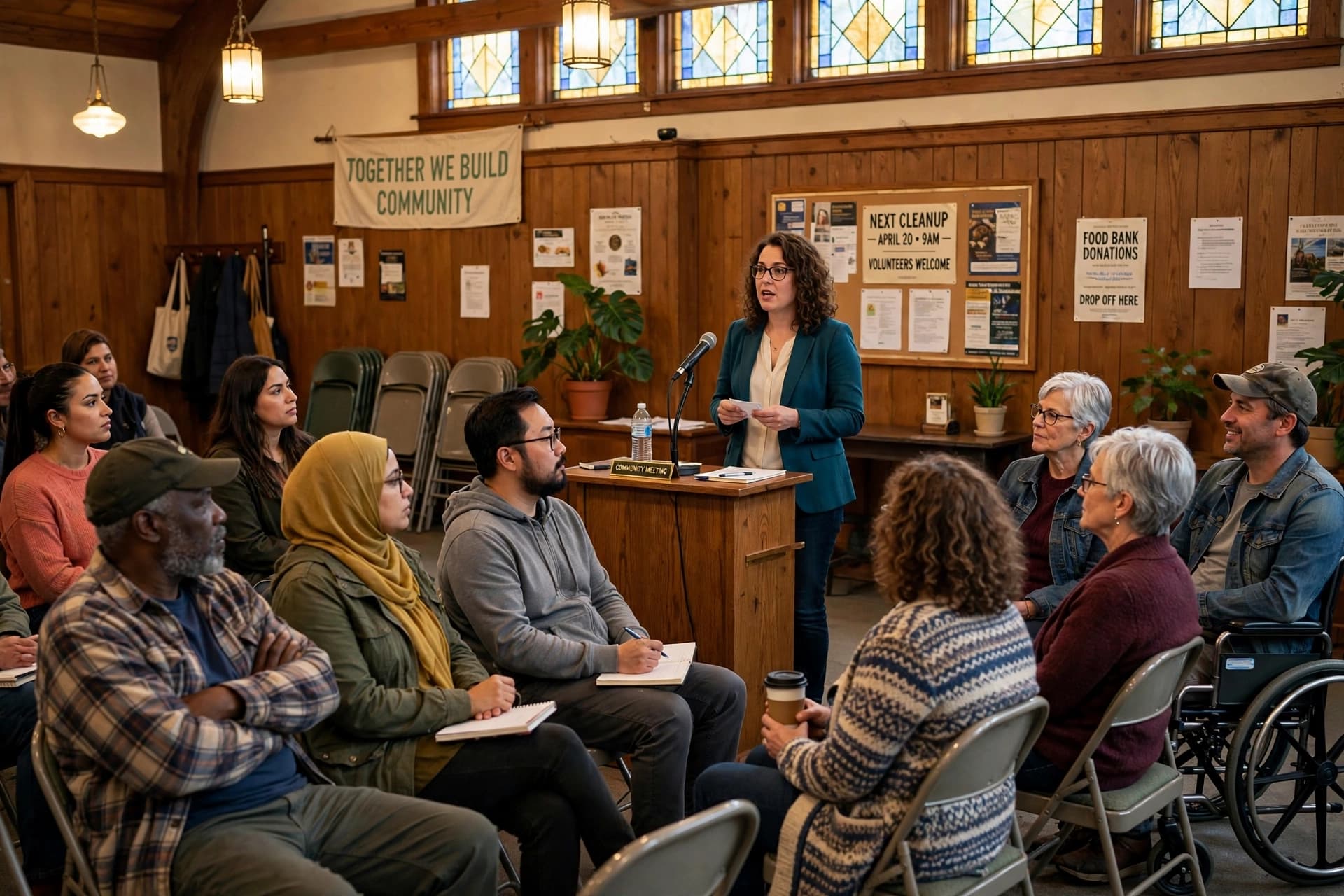
There is a particular weight that settles over a city when those sworn to protect become the source of fear. Charlotte has known this weight before, in different forms and different eras, and it knows it again now. The discovery of racist text messages involving six Charlotte-Mecklenburg police officers has reopened a wound that community leaders had hoped was slowly healing, and the NAACP's response this week carried the quiet resolve of people who have walked this road too many times to be surprised .
The messages, uncovered during a State Bureau of Investigation inquiry into a former officer's alleged misuse of Flock license plate reader cameras, reportedly included repeated use of racial slurs, discussions about firing weapons at Black residents, and what one report described as a competition to see which officer could pull over the most Black drivers . The officers involved are of multiple races, and Chief Estella Patterson has said the bias expressed in the thread was not limited to race alone but extended to sexual and religious prejudice as well . Three officers have resigned; three others have been recommended for termination and will have hearings before the Civil Service Board next month .
What makes this moment particularly painful, as Charlotte-Mecklenburg NAACP President Corine Mack observed, is that the discovery was almost accidental. The text thread emerged not from a proactive investigation into officer conduct but from an unrelated inquiry into one officer's use of surveillance technology . "We may have never seen it if that wasn't the situation," Mack said, and her words carry an unsettling implication: that there may be more, hidden in the digital spaces where institutional culture quietly forms .
Chief Patterson has responded with a series of measures that go beyond the immediate discipline of those involved. She has asked the FBI to review whether the officers violated anyone's civil rights, and she has requested that the state revoke the law enforcement certifications of all six officers . That last step matters enormously to Mack, who has argued that decertification is the only way to prevent these officers from carrying their biases into another department, another city, another community .
The deeper challenge, however, is not disciplinary but cultural. Dr. Charryse Johnson, a mental health counselor, has noted that incidents like this create a "domino effect" in communities already wary of law enforcement—a retreat from collaboration, a reluctance to report, a broad generalization that hardens over time . Mack herself acknowledged the years of trust-building work done by Patterson and her predecessor, work that she said was "wiped away" in a single night . That sense of loss is not rhetorical; it is the lived reality of communities that have been asked, again and again, to extend trust before it has been earned.
Mack has also called for a broader examination—a review of every case these officers have touched, a look at whether racial bias shaped arrests, prosecutions, or the daily exercise of discretion that rarely leaves a paper trail . The district attorney's office has acknowledged the gravity of the situation, noting that sustained violations against officers can disqualify them as credible witnesses in pending cases . The implications ripple outward, touching not only the officers involved but the entire system of accountability they were entrusted to uphold.
There is a temptation, when incidents like this surface, to treat them as aberrations—a few bad actors whose removal solves the problem. But the NAACP's response suggests something more measured and more demanding. The call is not merely for punishment but for structural change: better vetting, deeper psychological evaluation, a reckoning with the culture that allowed such words to be written and shared without apparent fear of consequence . The road ahead is long, and the trust that has been fractured will not be rebuilt by statements alone. But the conversation has begun, and in Charlotte, that conversation is being conducted with the quiet determination of people who have learned that silence serves no one.
The images in this article are AI-generated and are intended for illustrative purposes only.
Sources: WBTV, Spectrum News 1, FOX8 WGHP, WCCB Charlotte, QCity Metro
Published by Banx Network. This article is part of the Banx decentralized media programme, powered by the BXE token on the XRP Ledger.