At dawn, when streets are usually stirred awake by vendors and passing conversations, Myanmar’s cities and towns greet the day with a quieter rhythm. Polling stations open their doors, ballot boxes are placed with careful order, and officials move through rehearsed routines. On paper, it is a familiar democratic gesture. Yet the air surrounding this election feels heavier, shaped by years of upheaval and a silence that lingers longer than usual.
This is Myanmar’s first election since the military seized power, an event that reshaped daily life and fractured political certainty. For some citizens, voting today carries the weight of memory—of earlier elections filled with anticipation, lines that stretched through neighborhoods, and the sense that participation mattered. For others, it arrives as a subdued civic obligation, stripped of its former energy and layered with caution.
The military-led government has presented the election as a step toward stability and national order. Officials emphasize procedures, security, and administrative readiness. Polls are open across areas under government control, and the process follows revised electoral laws introduced during military rule. On the surface, the mechanics resemble those of past elections, yet the context surrounding them has changed profoundly.
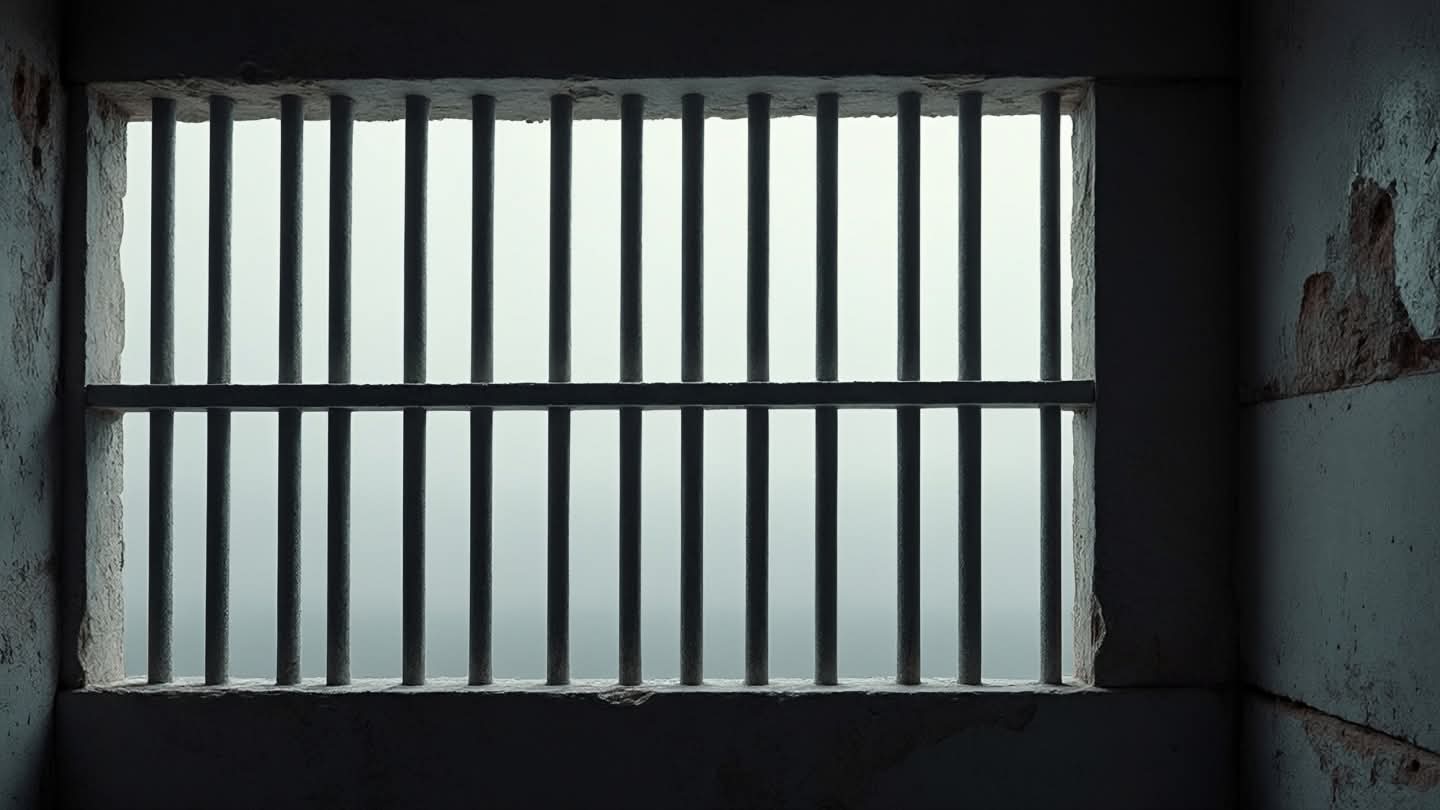
Major opposition figures remain imprisoned or excluded, including leaders who once symbolized democratic transition. Political parties that previously commanded widespread support are absent, dissolved, or unable to campaign. In many regions, ongoing conflict has made voting impossible, leaving large portions of the population outside the process altogether. The election proceeds, but not everywhere, and not for everyone.
For voters who do arrive at polling stations, the experience is restrained. There are no rallies echoing through streets, no vibrant debates filling tea shops late into the night. Instead, there is order, quiet observation, and an awareness of unseen boundaries. Participation happens, but carefully, as if each step forward is measured against unspoken consequences.
International reactions have remained cautious. Foreign governments and human rights groups have questioned whether the vote can reflect the will of the people under current conditions. Concerns about inclusivity, fairness, and legitimacy hover over the process, even as ballots are cast and counted. Yet these critiques remain largely external, distant from the controlled calm within the polling rooms.
For the military authorities, the election marks a milestone—an attempt to formalize governance through ballots rather than decrees. For many citizens, however, it feels less like a turning point and more like a pause, a moment suspended between what once was and what remains uncertain. The act of voting, traditionally hopeful, now carries mixed emotions: duty intertwined with doubt.
As the day progresses, numbers will emerge. Turnout figures will be released, preliminary results announced, and official statements issued. The language will be procedural, measured, and forward-looking. Still, beneath those figures lies a deeper question that statistics cannot answer: whether this election heals divisions or merely records them.
When polling stations close and night settles in, Myanmar will not suddenly change course. Roads will look the same, conflicts will not dissolve, and trust will not be restored overnight. Yet this day will be noted, documented, and remembered—not for its celebration, but for what it reveals about a nation still navigating its unresolved present.
AI Image Disclaimer Illustrations were produced using AI tools and are intended as conceptual depictions, not real photographs.
Sources (Media Names Only) Reuters Associated Press Al Jazeera France 24 Bloomberg News
Published by Banx Network. This article is part of the Banx decentralized media programme, powered by the BXE token on the XRP Ledger.