
Key Highlights
- First Meeting:Myanmar's junta-proxy parliament convened for the first time since the 2021 coup.
- Legislative Focus:The session aimed at discussing measures to stabilize military control amid unrest.
- International Response:Global reactions have been largely negative, urging a return to democracy.
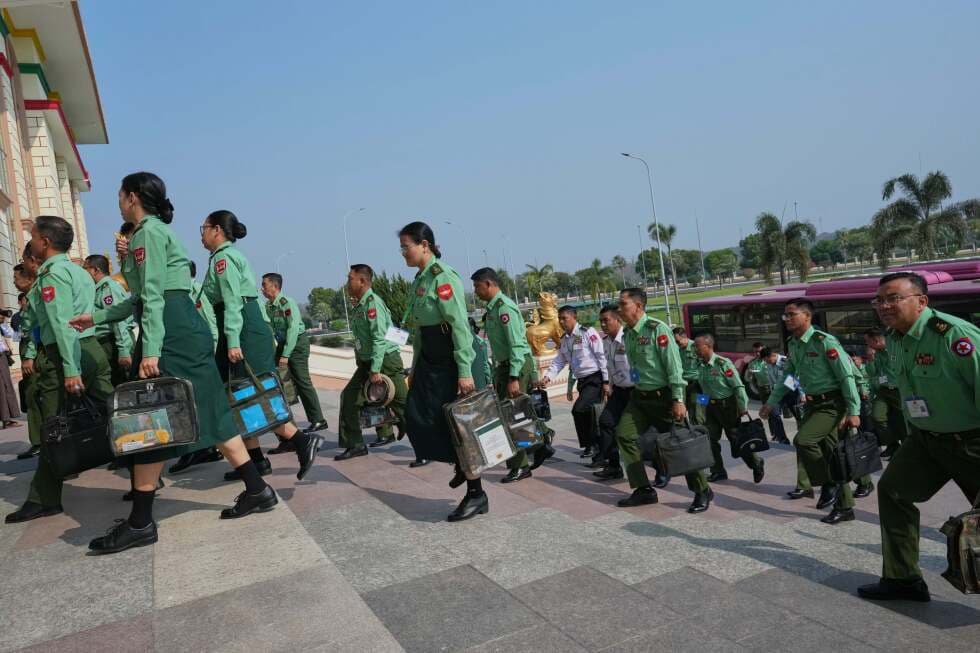
Myanmar's military-backed parliament convened on March 15, 2026, marking its first session since the coup that ousted the democratically elected government in February 2021. This meeting is seen as a crucial step for the junta as it seeks to consolidate its power amidst ongoing civil disobedience and widespread protests against military rule. The parliament, often criticized for its lack of legitimacy, is composed primarily of junta allies and has faced significant backlash from both domestic and international communities.
During the session, representatives discussed various legislative measures aimed at stabilizing the country and reinforcing military control. However, many observers view these discussions as a mere facade, intended to legitimize the junta's authority while ignoring the voices of the people. The assembly's actions come at a time when Myanmar is grappling with severe challenges, including violent clashes with ethnic armed groups and persistent resistance movements.
The coup has sparked a wave of civil unrest, with citizens expressing their discontent through protests and acts of civil disobedience. Many citizens perceive the junta's parliamentary activities as an attempt to create an illusion of governance while the military continues to suppress dissent. Critics argue that the junta's grip on power undermines the democratic aspirations that many fought for prior to the coup, further deepening the divide between the military and the populace.
Internationally, responses to the junta's parliamentary activities have been overwhelmingly negative. Various governments and human rights organizations have condemned the military's actions and called for a return to democratic governance. The United Nations and several Western nations have reiterated their support for the pro-democracy movement in Myanmar, urging the junta to engage in dialogue with opposition groups and restore civilian rule.
As the junta navigates this complex political landscape, the dynamics between military leaders, opposition movements, and the international community will undoubtedly shape the future of Myanmar's governance and societal stability. The situation remains fluid, with civil unrest likely to persist as opposition groups organize to contest the junta's authority. The coming months will be critical in determining whether Myanmar can move towards a more democratic future or remain entrenched in military rule.
Published by Banx Network. This article is part of the Banx decentralized media programme, powered by the BXE token on the XRP Ledger.



