

Key Highlights
- Intensified Fighting:Recent clashes between Myanmar's military and resistance forces have escalated across multiple regions.
- Humanitarian Crisis:Millions are displaced, with limited access to food, healthcare, and education in conflict-affected areas.
- Diplomatic Challenges:Regional efforts for a political settlement face significant obstacles amid ongoing violence.
The conflict in Myanmar is entering a new and complex phase as fighting intensifies between the military government and various resistance groups. Recent reports indicate that clashes have erupted across several states, with both sides vying for territorial control. Analysts suggest that this escalation may signal a shift in the dynamics of the conflict, which has been ongoing since the military coup in 2021.
Since the military takeover, Myanmar has been engulfed in turmoil, with widespread protests evolving into an armed resistance movement. Various ethnic armed organizations and local defense groups have mobilized against the military, leading to a multifaceted conflict that complicates the landscape of resistance. The military's response has included airstrikes and ground offensives aimed at quelling the uprising, but these tactics have only fueled further violence.
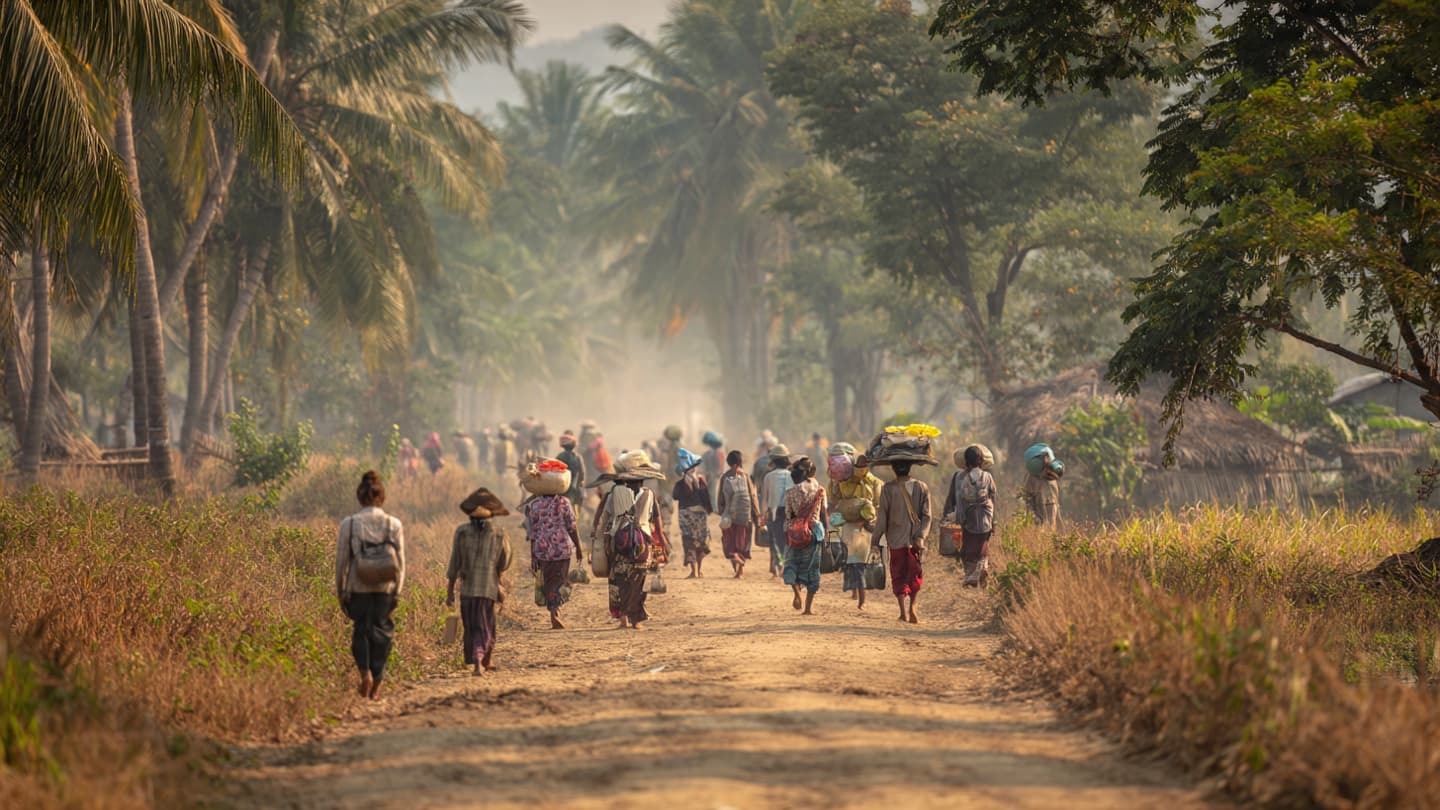
Humanitarian agencies are sounding alarms over the dire consequences of the ongoing conflict. Millions of people have been displaced, and access to essential services such as food, healthcare, and education remains severely restricted in many areas affected by violence. The situation is particularly grave for vulnerable populations, including women and children, who bear the brunt of the humanitarian crisis.
International organizations have expressed deep concern for civilian safety as the fighting spreads. Calls for humanitarian access and peaceful dialogue have intensified, but the prospects for resolution appear bleak. The international community is urging all parties to prioritize the safety of civilians and to engage in meaningful dialogue to address the underlying issues fueling the conflict.
Efforts at regional diplomacy, particularly those led by Southeast Asian nations, have encountered significant challenges. Despite ongoing discussions aimed at fostering a political settlement, a comprehensive resolution remains elusive. The complexities of the conflict, coupled with entrenched positions on both sides, hinder progress toward peace.
As Myanmar navigates this turbulent period, observers emphasize that achieving long-term peace will require inclusive political dialogue, humanitarian support, and sustained engagement from regional and international stakeholders. The path forward is fraught with challenges, but the need for a concerted effort to address the crisis has never been more urgent.
Published by Banx Network. This article is part of the Banx decentralized media programme, powered by the BXE token on the XRP Ledger.




