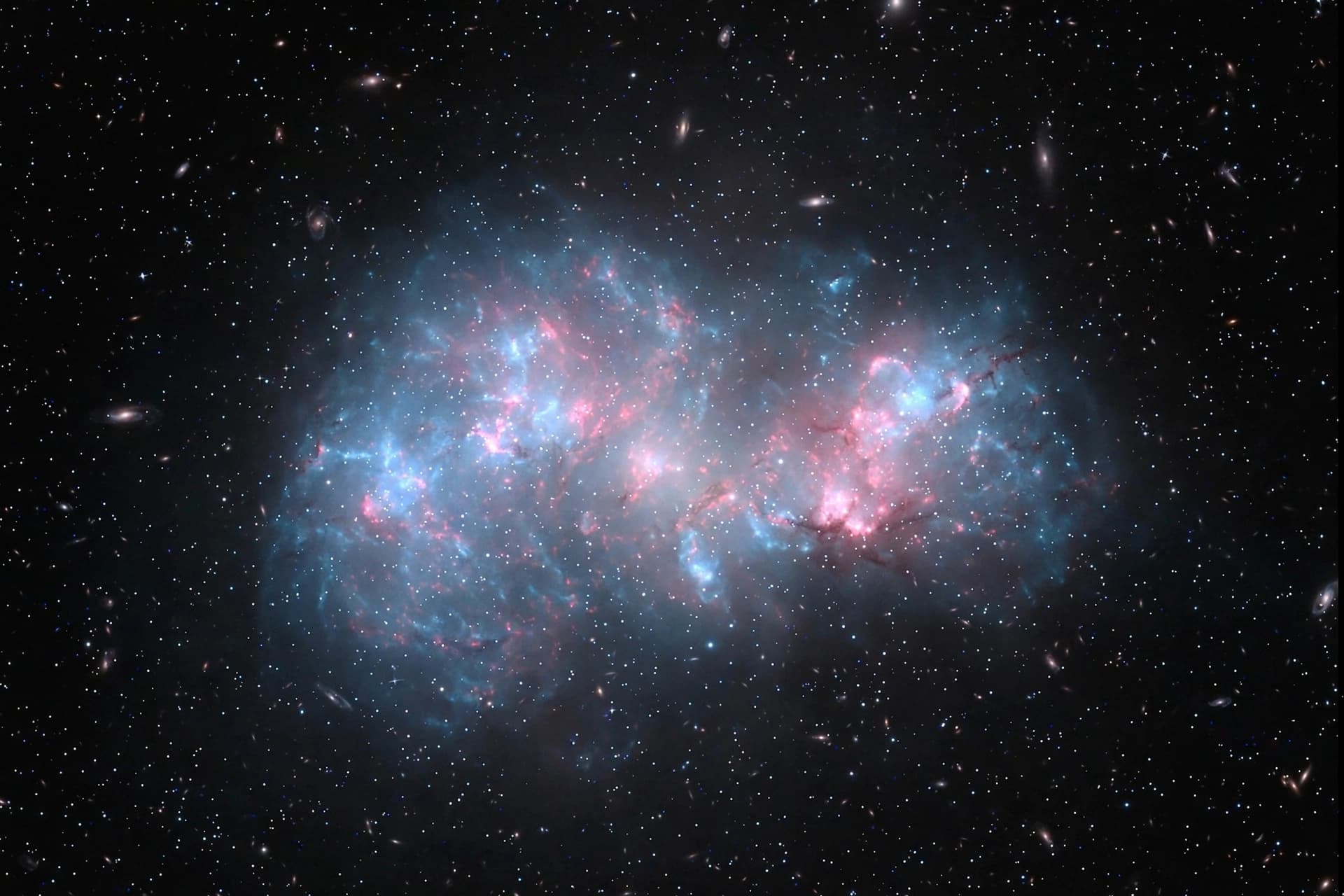
The universe is often described as expanding like a vast story still being written. For decades, one of the central chapters in that story has involved dark energy, an unseen phenomenon believed to drive the accelerating expansion of the cosmos. Now, a new mathematical challenge is inviting scientists to reconsider whether that chapter is as settled as it once appeared.
Dark energy emerged as a leading explanation after observations in the late twentieth century indicated that cosmic expansion was speeding up rather than slowing down. Since then, it has become a foundational element of the standard cosmological model.
A group of researchers has proposed alternative mathematical approaches that may account for certain observations without requiring dark energy in its conventional form. Their work examines whether assumptions built into existing models could influence the conclusions scientists draw from astronomical data.
The challenge does not necessarily claim that dark energy has been disproven. Instead, it raises questions about whether different interpretations of cosmic structure and expansion might explain observations in another way.
Such debates are common in science, particularly in fields dealing with immense scales and indirect measurements. Cosmologists frequently test competing models against observations gathered from telescopes, satellites, and large-scale surveys.
Supporters of the standard model point out that dark energy remains consistent with a broad range of evidence, including measurements of distant supernovae, cosmic microwave background radiation, and galaxy distributions. Any alternative theory must demonstrate comparable explanatory power.
At the same time, researchers exploring new mathematical frameworks argue that questioning assumptions is essential to scientific progress. Even if alternative models ultimately prove incomplete, they may reveal weaknesses, refinements, or new directions for future investigation.
The discussion reflects the healthy tension that drives scientific advancement. Established ideas provide stability, while new proposals encourage deeper examination and more precise testing. Together, these forces help expand understanding of the universe.
For now, dark energy remains a central component of mainstream cosmology. However, the latest mathematical challenge illustrates that some of the universe's most profound questions continue to inspire debate, investigation, and curiosity across the scientific community.
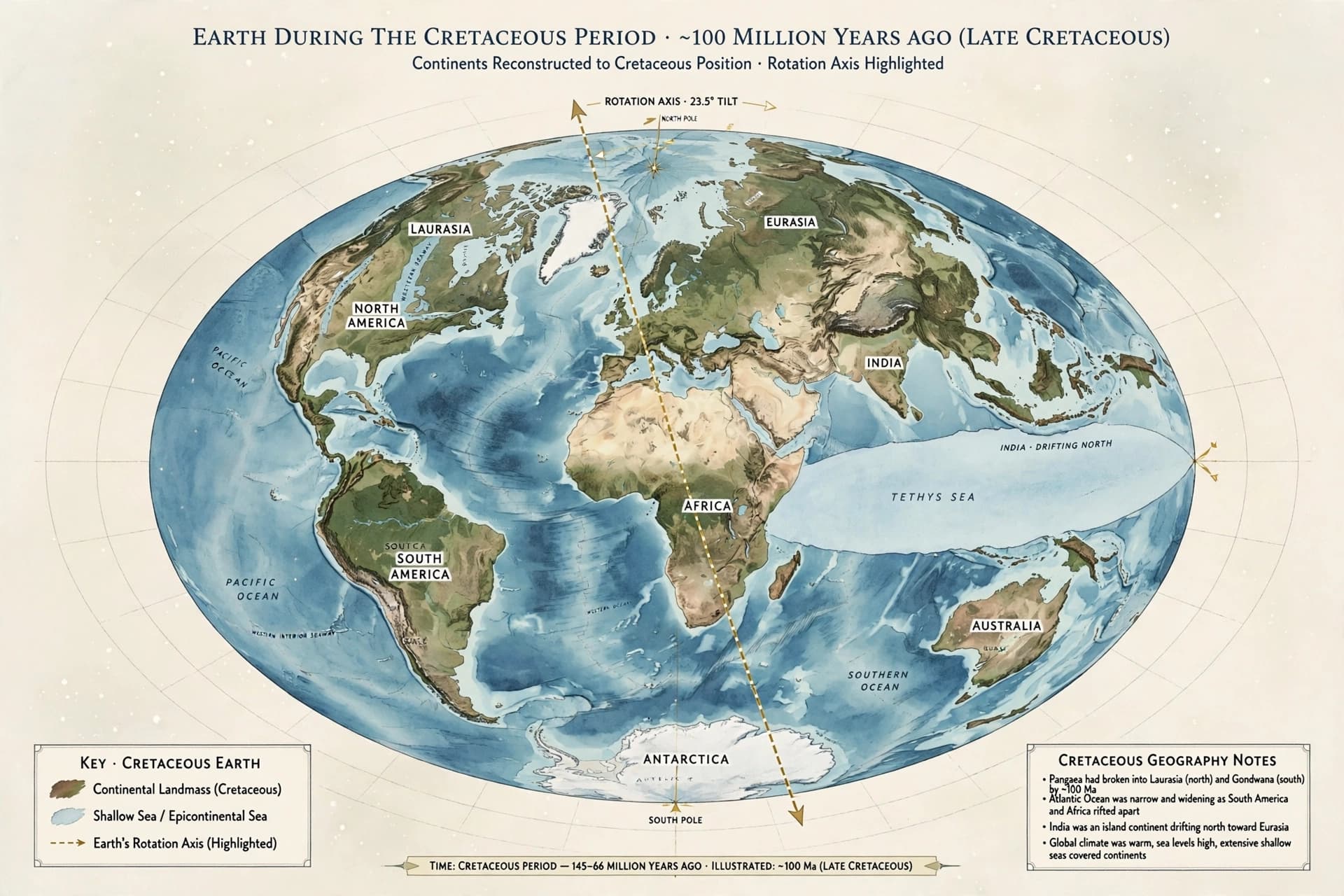
AI Image Disclaimer: The accompanying illustrations are AI-generated visualizations intended to represent scientific concepts discussed in the article.
Sources Verification Check: Monthly Notices of the Royal Astronomical Society Nature Astronomy Phys.org Scientific American Space.com
Published by Banx Network. This article is part of the Banx decentralized media programme, powered by the BXE token on the XRP Ledger.