Los Angeles, United States—Emergency responders arrived at a chaotic scene on a major boulevard where a heavy-duty Ford Expedition had violently plowed into the side of a crowded municipal transit vehicle. Investigators established that the vehicle had traveled the wrong way down active lanes before blowing a red light at high speed. Two passengers riding near the rear of the bus suffered fatal injuries upon impact, while several others sustained severe trauma requiring immediate hospital transport. Police units sealed off blocks of the surrounding neighborhood as tow trucks and fire crews managed the tangled wreckage.
District attorney representatives announced formal criminal charges during a midday press briefing, confirming that the operator was heavily impaired by drugs at the time of the collision. Prosecutors levied two counts of second-degree murder against the 36-year-old driver, outlining a trajectory of extreme recklessness that completely ignored human safety. Court documents indicated the suspect remained held under a multi-million-dollar bond pending an initial courtroom appearance. Family members of the deceased expressed profound grief while community advocates gathered near the corridor to demand stricter enforcement against intoxicated operation.
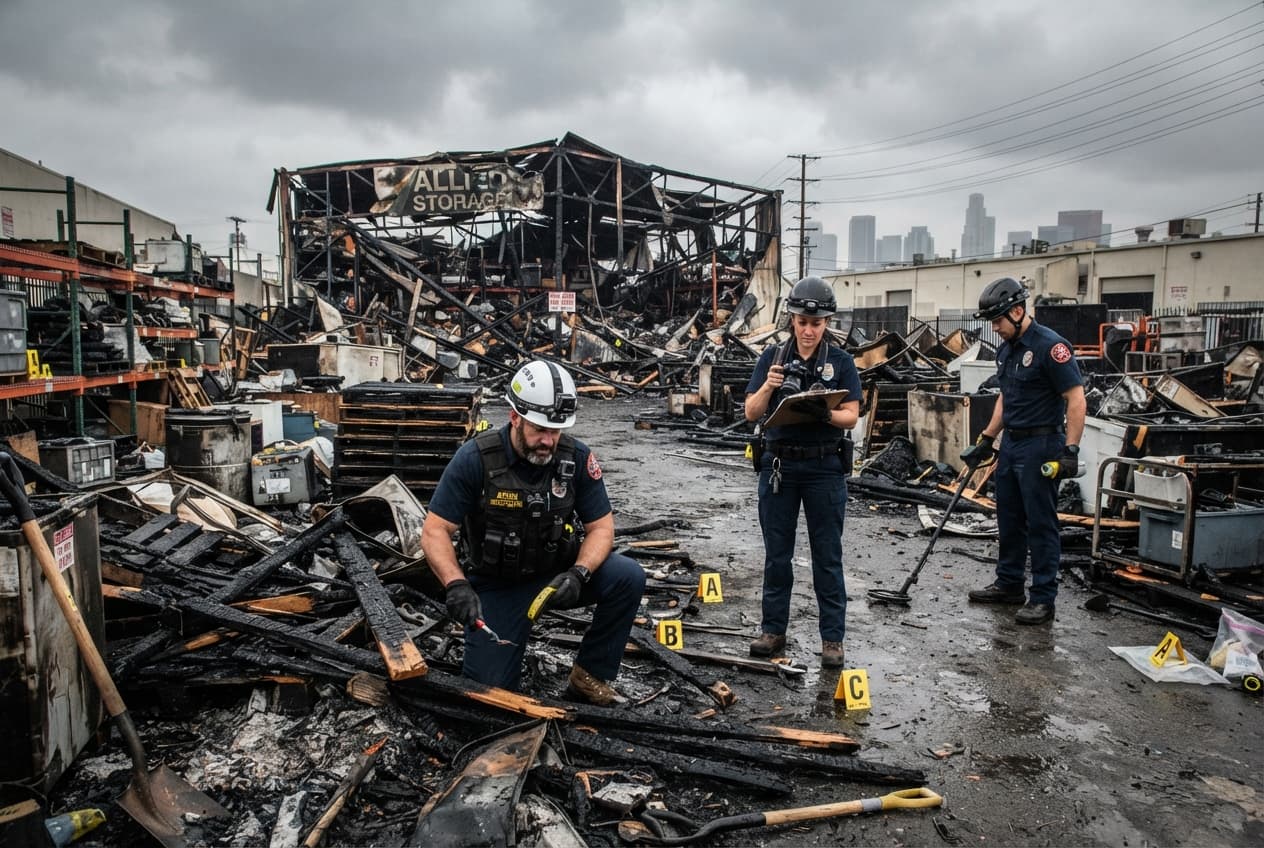
Hours after the initial transit disaster, a secondary catastrophe unfolded above the neighborhood when a news helicopter covering the wreckage suffered a catastrophic mechanical failure and plummeted from the sky. The aircraft crashed near commercial storage units, erupting into a violent fire that consumed multiple nearby automobiles. Federal aviation safety inspectors arrived on scene by morning to recover onboard data recorders and analyze broadcast transmissions from the final moments of flight. Cockpit audio recordings recovered from the wreckage revealed urgent warning alarms sounding just before the pilot lost altitude control.
Transportation safety officials confirmed that the onboard pilot, the reporting journalist, and a bystander on the ground all perished in the fiery secondary impact. Local leaders addressed reporters to express collective mourning for the unprecedented loss of life across both interconnected disasters. Neighborhood residents organized an evening vigil near the intersection, placing candles and floral tributes along the scorched pavement to honor the victims. Municipal engineering teams worked through the night to repair damaged traffic signals and clear debris from the heavily traveled corridor.
Legal analysts noted that the murder indictment reflects a growing prosecutorial willingness to treat extreme driving impairment as deliberate malice under state statute. The suspect's defense representation had not yet entered a formal plea as court clerks processed initial arraignment documents. Investigators continued interviewing eyewitnesses who watched the SUV streak past multiple warning signs prior to the initial collision. Federal transportation investigators stated that the complete analysis of both incident sites would require weeks of detailed forensic mapping.
Medical examiners released preliminary autopsy reports confirming the identities of the passengers killed inside the public bus during the initial impact. Transportation workers union representatives called for enhanced safety barriers along vulnerable urban transit routes to protect passengers from errant vehicles. City council members scheduled an emergency infrastructure review meeting to evaluate traffic monitoring systems across the San Fernando Valley corridor. Municipal courts set the preliminary hearing date for later in the month as public scrutiny intensified around the tragedy.
Published by Banx Network. This article is part of the Banx decentralized media programme, powered by the BXE token on the XRP Ledger.