The arteries of a city are its roads, pulsing with the lifeblood of commuters, families, and dreams. On a typical Saturday night in Toronto, the Don Valley Parkway (DVP) and the Gardiner Expressway hum with a steady rhythm, connecting the suburbs to the heart of the downtown core. But this past weekend, that rhythm was shattered by the screech of tires and the sudden silence of stalled engines. A multi-vehicle collision transformed these vital thoroughfares into parking lots, leaving thousands of drivers stranded in a maze of red taillights and rising frustration. It was a stark reminder of how fragile our daily routines can be.
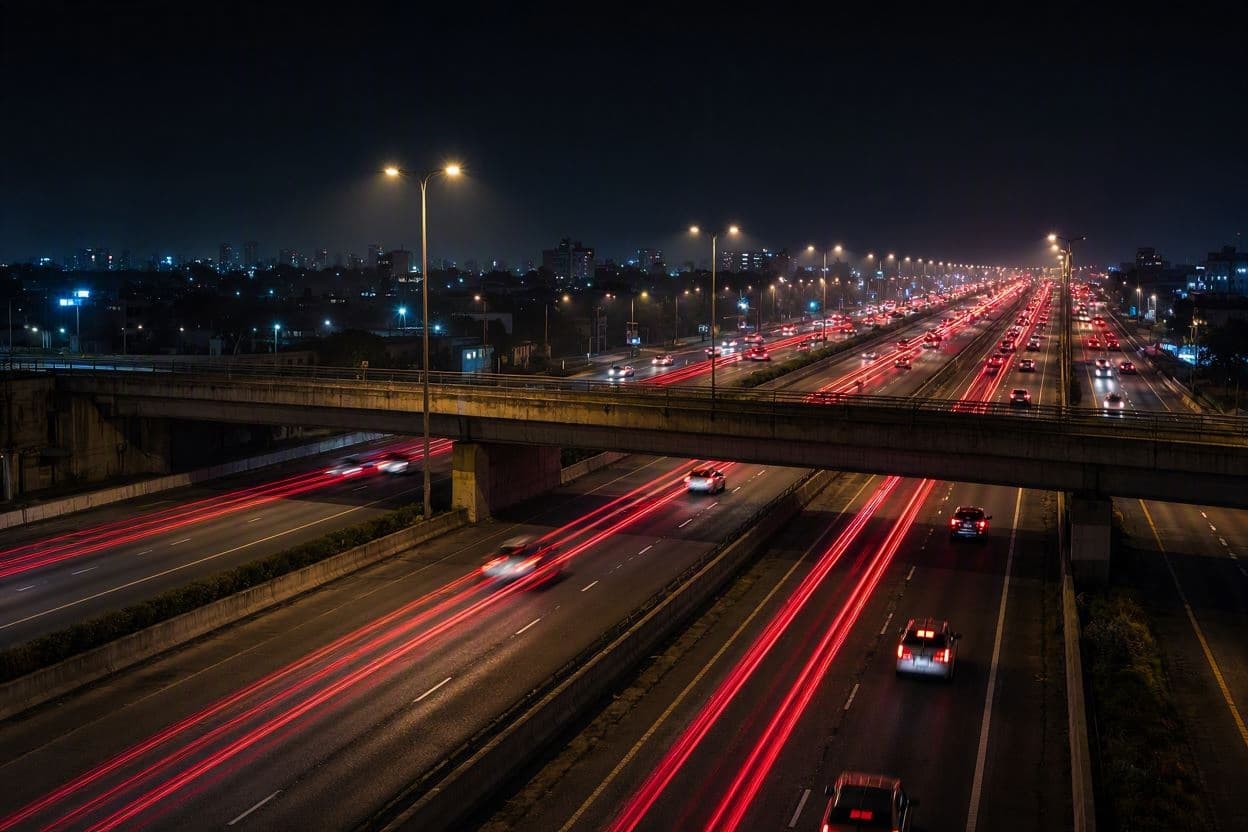
The incident began shortly before 7 p.m., when emergency crews were called to the northbound lanes of the DVP near Gerrard Street East. What started as a single point of impact quickly rippled outward, causing significant backups on both the DVP and the connecting Gardiner Expressway. For over four hours, traffic crawled at a snail’s pace, with some drivers reporting delays that stretched well into the night. The sheer volume of vehicles, combined with limited alternative routes, created a perfect storm of congestion that tested the patience of even the most seasoned urban commuter.
Dashcam footage and social media posts captured the scene: cars weaving cautiously through debris, emergency lights flashing against the darkening sky, and pedestrians standing on shoulders, unsure of what had happened. The crash involved five vehicles, and while injuries were reported, the primary casualty was time. Hours that could have been spent with loved ones or enjoying the city’s vibrant nightlife were instead lost to the gridlock. For many, it was a moment of forced stillness in a city that rarely stops.
Police and emergency responders worked tirelessly to clear the scene and assist those involved. Two people were transported to the hospital, their conditions currently unknown but believed to be stable. The swift response of first responders is often taken for granted, yet in moments like these, their presence is a beacon of order amidst chaos. They navigated the tangled wreckage with professionalism, ensuring that no further harm came to those already affected. Their efforts were crucial in beginning the process of restoration.
The ripple effects of the crash extended beyond the immediate vicinity. Local transit systems saw a surge in ridership as stranded motorists sought alternatives. Ride-share apps experienced high demand, and nearby streets became congested with detouring traffic. The interconnectedness of urban infrastructure means that a disruption in one area can quickly spread to others, highlighting the need for resilient transportation networks. It was a lesson in complexity, played out on asphalt and steel.
For the drivers stuck in the jam, the experience was a mix of anxiety and resignation. Some used the time to make phone calls, listen to podcasts, or simply reflect. Others grew increasingly agitated, honking horns that added to the cacophony. The psychological toll of such delays is often underestimated, contributing to stress and fatigue. Yet, there were also moments of camaraderie, as strangers exchanged waves of sympathy or shared information about alternate routes. In adversity, community often emerges.
As the lanes finally cleared and traffic began to flow again, the city exhaled. The cleanup crews worked late into the night, removing debris and repairing any damage to the road surface. By Sunday morning, the scars of the crash were largely invisible, though the memory lingered for those who lived through it. The incident served as a prompt for discussions about road safety, driver behavior, and the importance of maintaining focus behind the wheel. It was a collective sigh of relief.
In the end, the crash on the DVP and Gardiner was more than just a traffic incident; it was a snapshot of urban life. It revealed the vulnerabilities of our systems and the resilience of our people. As Toronto continues to grow and evolve, such challenges will inevitably arise. The hope is that each incident leads to greater awareness, better infrastructure, and a deeper appreciation for the smooth journeys we often take for granted. The roads remain open, waiting for the next pulse of life.
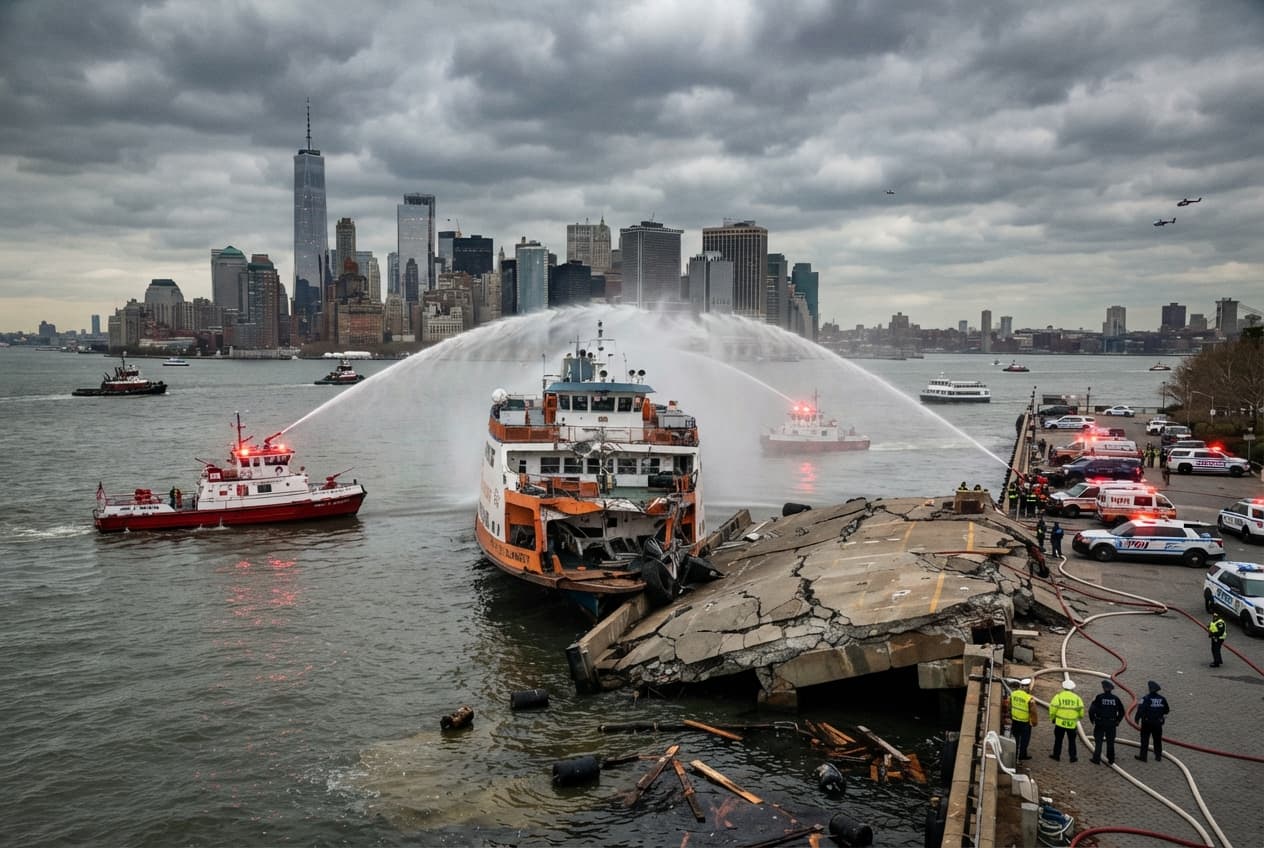
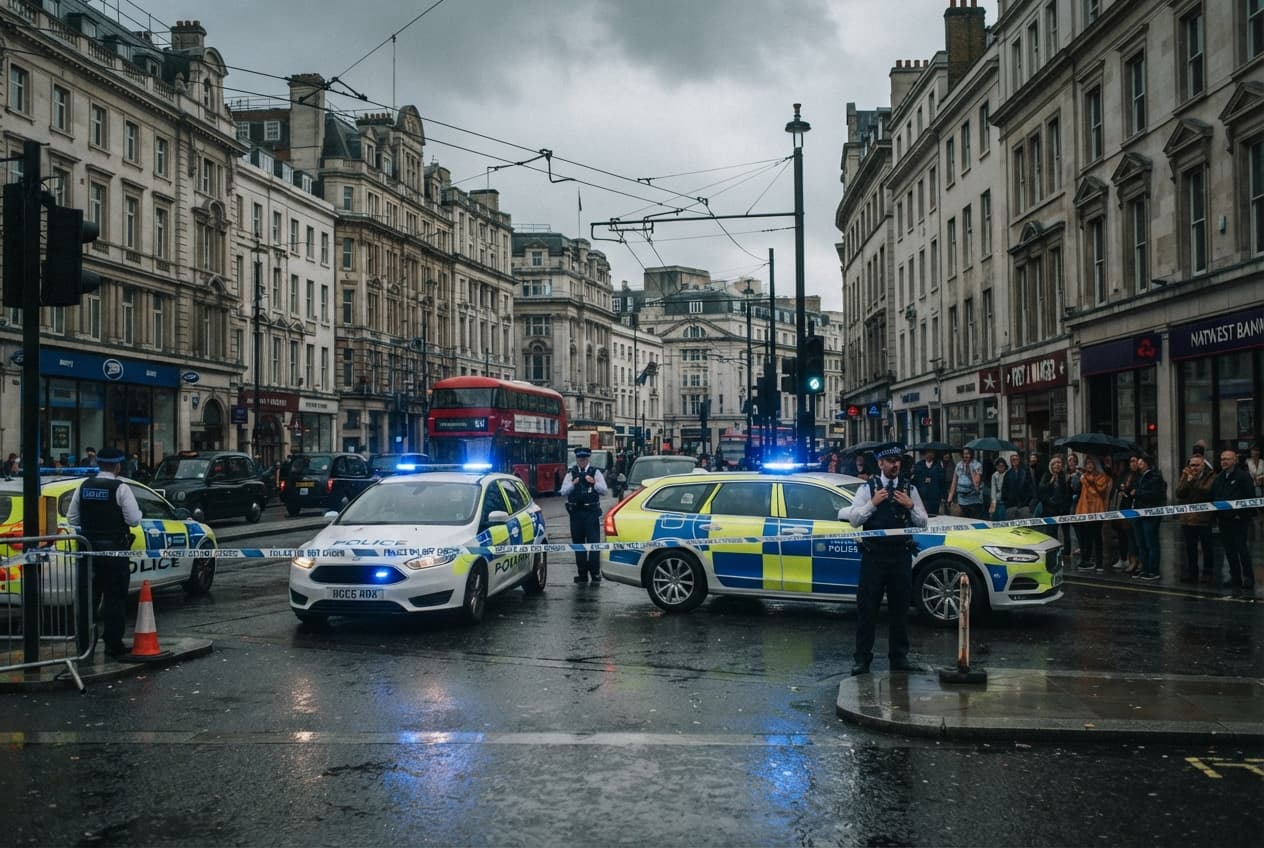
AI Image Disclaimer: The visual representations included here are AI-generated illustrations designed to depict urban traffic scenes and emergency responses, not actual photographs of the specific crash site or individuals involved.
Sources: Toronto Star CityNews Toronto CP24
Published by Banx Network. This article is part of the Banx decentralized media programme, powered by the BXE token on the XRP Ledger.