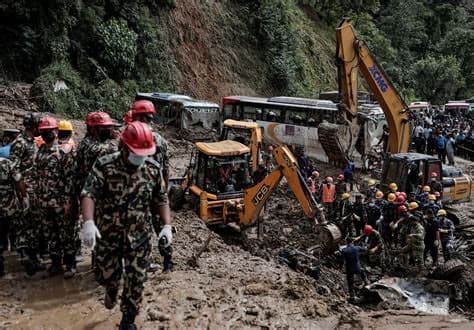
Inhambane, Mozambique—The government has confirmed four deaths linked to the passage of Cyclone Gezani. The storm system, which moved through the Mozambique Channel in mid-February, left a trail of destruction across the southern provinces. Recovery efforts remain underway as communities work to rebuild damaged infrastructure.
Inhambane province bore the brunt of the cyclone's impact. Wind gusts reaching over 200 kilometers per hour tore through local settlements, ripping metal roofing from homes and uprooting trees. Electrical infrastructure was severely compromised, leaving tens of thousands of residents without power for weeks.
Water services in the region were also cut off as secondary damage affected local pipes and pumping stations. Local authorities scrambled to restore basic utilities, but the scale of the damage across such a wide area hindered progress. Temporary shelters were established to house families who lost their homes during the storm.
Agricultural areas experienced significant flooding, destroying seasonal crops and stored grain. Farmers in the region report that the loss of their harvests has placed them in a precarious position for the coming months. Food security remains a primary concern for local administrators as they coordinate aid distribution.
National disaster management teams were mobilized to assist in the hardest-hit areas. They focused on restoring road access and ensuring that emergency medical services could reach isolated villages. While the winds have long since subsided, the economic and social fallout persists.
The cyclone was the second major weather event to hit the region in 2026. Prior flooding in the neighboring Gaza Province had already strained local resources. This cumulative impact has made the recovery process slower and more complex than initially anticipated.
There is no immediate timeline for the full restoration of power grids in the more remote sectors of Inhambane. Engineers have encountered persistent challenges in sourcing replacement materials for the damaged lines. The local population remains resilient, but the frustration with the pace of reconstruction is palpable.
As the country looks toward long-term stabilization, officials are re-evaluating building standards for coastal communities. The recurring nature of these intense storms highlights an urgent need for more resilient urban planning. For the families of the four victims, the focus remains on navigating the immediate aftermath of the disaster.
Published by Banx Network. This article is part of the Banx decentralized media programme, powered by the BXE token on the XRP Ledger.