In the vast expanse of Canada, distance is both a geographic reality and an economic challenge. The movement of goods across provinces requires significant investment in logistics, a factor that becomes even more critical when global trade winds shift. Recently, the federal government announced a 100-million program to rebate 50% of the rail and marine transport costs for Canadian steel shipped domestically. This initiative invites reflection on the resilience of national industries and the creative measures taken to support them in the face of external pressures. It is a story of adaptation, where policy seeks to bridge the gap between production and market.
The decision comes as Canadian steel producers grapple with the impact of tariffs, particularly from the United States, their largest trading partner. By subsidizing domestic freight, Ottawa aims to encourage interprovincial trade, allowing steel made in one region to find buyers in another without prohibitive transportation costs. This strategy not only supports manufacturers but also strengthens internal supply chains. Unity through commerce is a powerful tool.
For companies like Algoma Steel and others in Quebec and Ontario, the rebate offers a lifeline. It reduces the financial burden of moving heavy materials, making Canadian steel more competitive within the country’s own borders. The program is designed to last for up to one year or until the fund is exhausted, providing a window of stability during uncertain times. Relief brings opportunity.
Critics may argue that subsidies distort market dynamics, but proponents see it as a necessary intervention to preserve jobs and industrial capacity. The steel industry is a cornerstone of Canada’s manufacturing sector, supporting countless downstream businesses. Protecting this foundation is seen as vital for long-term economic health. Stability fosters growth.
The announcement has been welcomed by industry leaders who view it as a pragmatic response to trade barriers. It signals the government’s commitment to keeping mills running and workers employed. For communities reliant on steel production, the news brings a sense of security amidst global volatility. Hope is a valuable resource.
As the program rolls out, attention will turn to its implementation and effectiveness. Monitoring how the funds are distributed and their impact on sales will be crucial. Success could set a precedent for other sectors facing similar challenges. Innovation in policy can inspire confidence.
Ottawa has launched a 100-million program to rebate 50% of domestic shipping costs for Canadian steel, aiming to support the industry amid tariff pressures. The initiative encourages interprovincial trade and aims to stabilize the sector. The hope is for sustained competitiveness and job preservation.
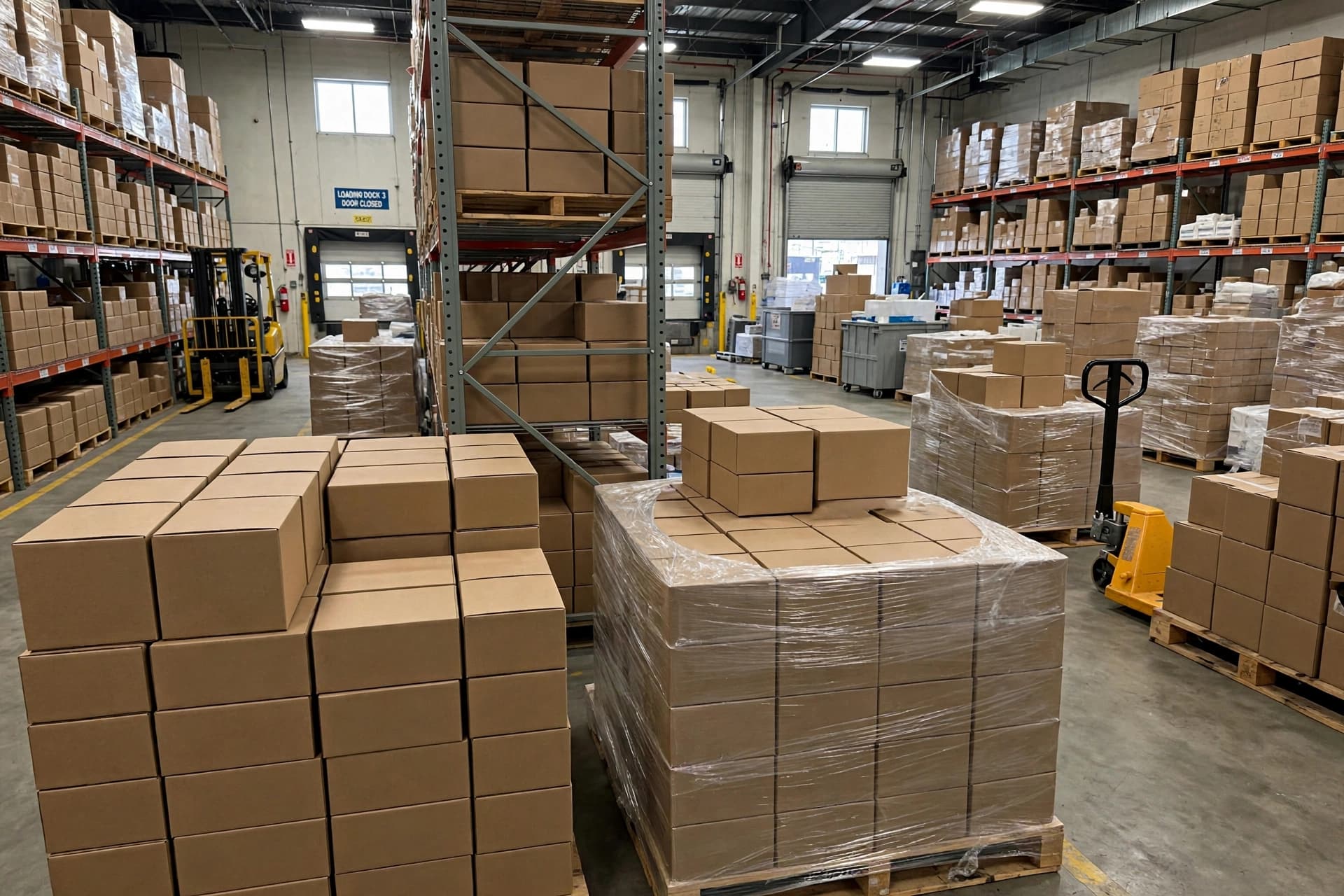
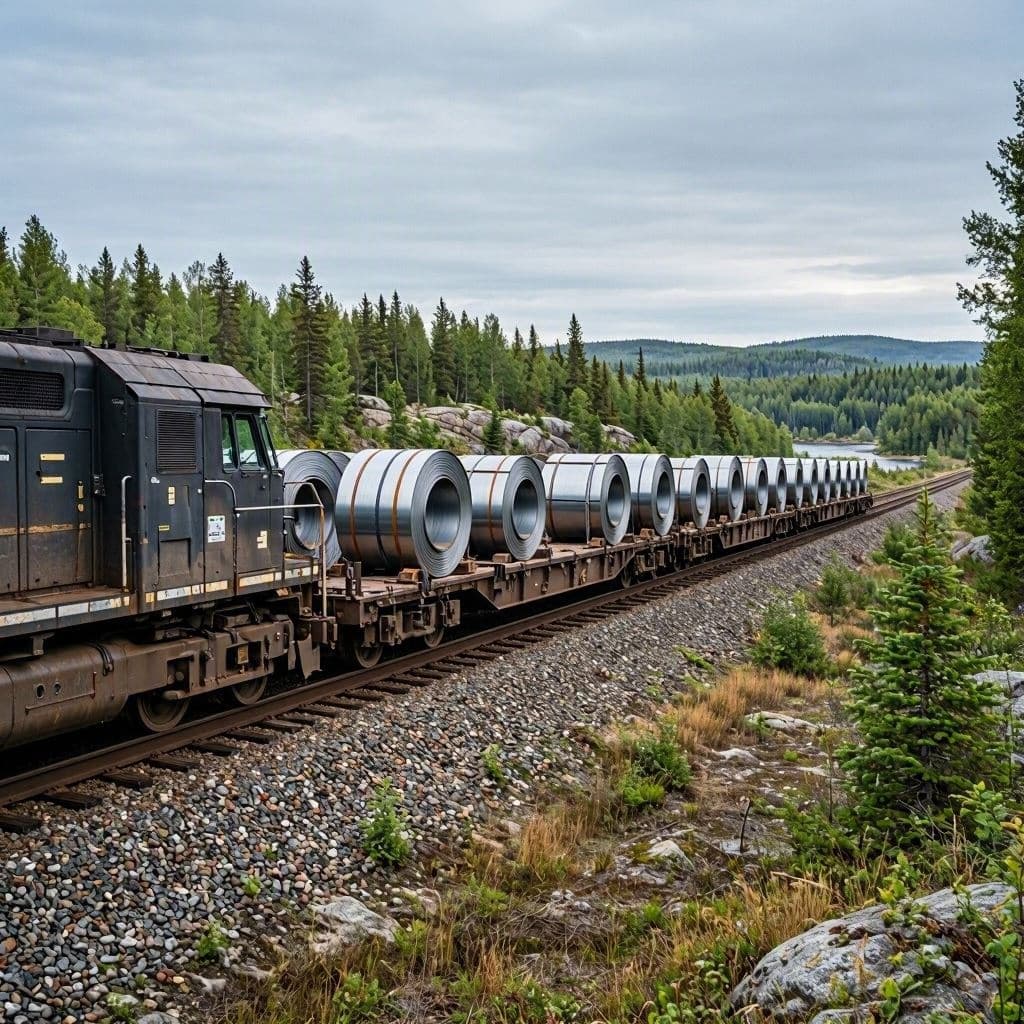
AI Image Disclaimer: The visual elements accompanying this report are AI-generated interpretations designed to reflect the industrial and economic context of the story.
Sources: The Globe and Mail CBC News BNN Bloomberg
Published by Banx Network. This article is part of the Banx decentralized media programme, powered by the BXE token on the XRP Ledger.