Buenos Aires, Argentina—Two international mountain climbers died from severe hypothermia in the high Andes after unexpected blizzard conditions trapped their expedition late Sunday night. Mountain rescue coordinators in Mendoza confirmed that deteriorating weather systems dropped visibility to near zero, stranding multiple teams along the technical ascent routes. Specialized ranger patrols launched an immediate search operation at dawn, battling gale-force winds and knee-deep snow drifts to reach the reported GPS coordinates.
Rescue teams located the stranded expedition huddled near a rocky outcrop at an altitude of over four thousand meters above sea level. Medical personnel on site confirmed the deaths of two climbers who had succumbed to extreme exposure before rescue units could breach the storm front. Two other members of the climbing party were found alive suffering from advanced frostbite and exhaustion, wrapped in emergency thermal blankets.
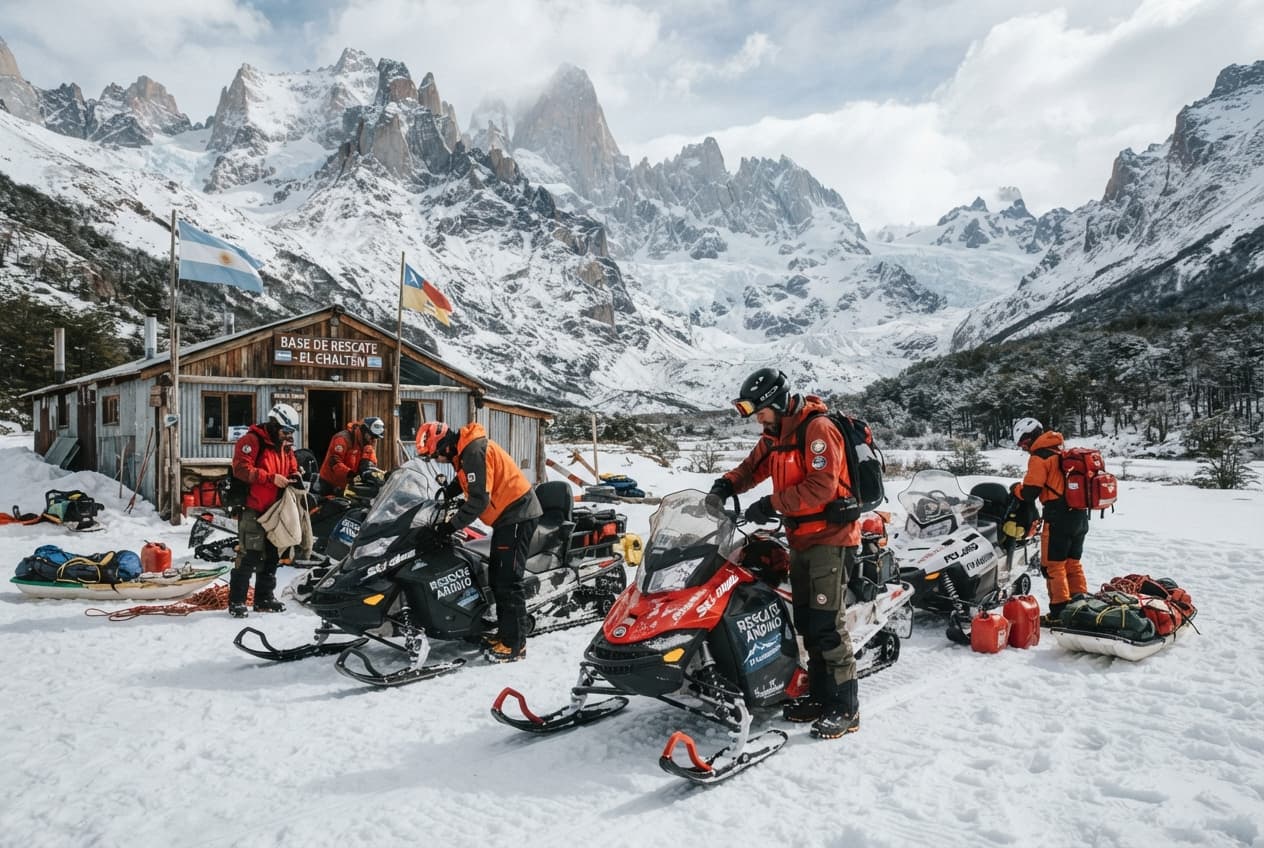
Helicopter extraction attempts were grounded repeatedly due to severe turbulence and heavy cloud cover masking the jagged mountain ridges. Ground rescue crews had to improvise technical pulley systems to lower the surviving climbers down steep ice fields to a staging camp. The operation required hours of strenuous physical labor in sub-zero temperatures as wind chills continued to plummet across the high-altitude pass.
Regional tourism officials stated that the climbers had registered their route prior to departure, but failed to alter their schedule despite incoming severe weather alerts. Mountain rescue veterans criticized independent expeditions for attempting technical ascents during volatile transitional weather windows in the cordillera. Provincial authorities have temporarily suspended all high-altitude climbing permits while the storm warning remains in active effect.
The bodies of the deceased climbers are being transported down the mountain trail via snowcat transport to a forensic morgue. Consular representatives have contacted the respective foreign embassies to coordinate family notifications and repatriation procedures for the victims. Surviving climbers were admitted to a regional medical center in stable condition for treatment of localized tissue damage.
Meteorologists noted that the unseasonal squall developed rapidly over the Pacific before slamming into the western slopes of the Andean mountain chain. Park rangers continue patrolling lower base camps to ensure no unauthorized groups remain stranded along remote hiking trails. Rescue units stand by at the primary base station as lingering snow flurries obscure the upper peaks.
Published by Banx Network. This article is part of the Banx decentralized media programme, powered by the BXE token on the XRP Ledger.