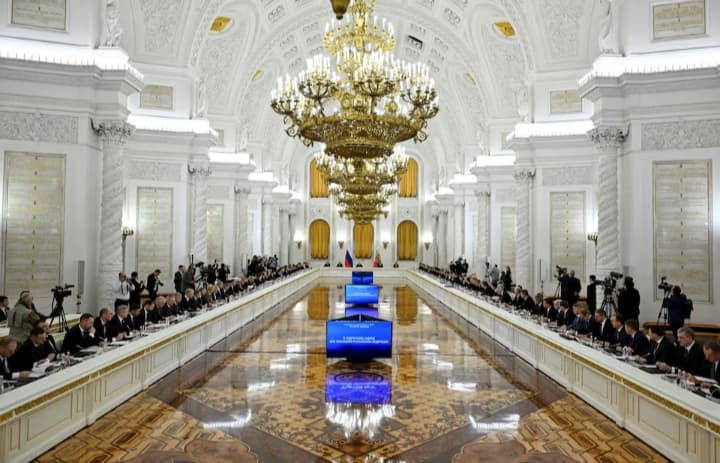
In a landmark ruling, a court in Moscow sentenced a former diplomat to 12 years in a high-security prison for espionage activities, specifically for leaking classified information to U.S. intelligence. The diplomat, whose identity has not been disclosed, was accused of providing vital national security secrets, heightening concerns over security and trust in diplomatic circles.
The case unfolded amid an already strained relationship between Russia and the United States, plagued by a series of allegations regarding interference and espionage from both sides. Russian authorities characterized the diplomat's actions as a severe betrayal, emphasizing that such breaches compromise national integrity and safety.
In the wake of this sentencing, analysts suggest that this development might lead to retaliatory actions. Russia has historically condemned perceived espionage, often using such cases to reinforce domestic narratives around foreign threats. This situation draws particular attention given the current geopolitical climate, where sanctions and diplomatic expulsion are common responses to espionage allegations.
As reactions pour in, this case serves as a stark reminder of the lingering tensions and complexities of international diplomacy. The outcome underscores the precarious balance between national security and diplomatic relations, further complicating the landscape as nations navigate their ever-evolving power dynamics.
Published by Banx Network. This article is part of the Banx decentralized media programme, powered by the BXE token on the XRP Ledger.


.jpg&w=3840&q=75 "Zelensky Warns China Is Helping Russia Develop a Starlink Rival")