
Key Highlights
- Facility Status:Moscow’s largest oil refinery is unlikely to resume operations in 2026.
- Damage Assessment:The refinery suffered extensive damage from drone strikes in June.
- Market Impact:The outage is expected to exacerbate fuel shortages and price increases in the region.
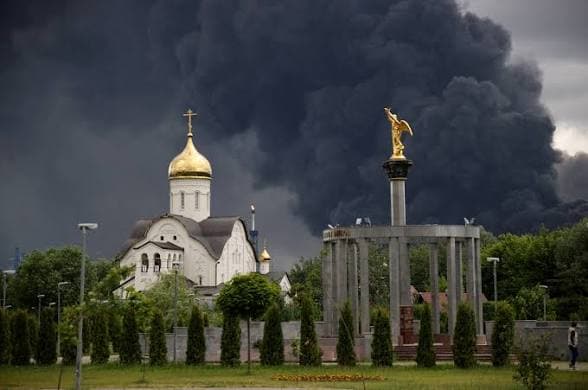
Moscow’s largest oil refinery, operated by Gazprom Neft in the Kapotnya district south of the city, is facing a prolonged shutdown following significant damage from Ukrainian drone strikes in mid-June. According to a report by Reuters, industry sources indicate that the facility is unlikely to resume operations this year, with repairs expected to take at least six months. This timeline suggests that the refinery could remain offline through the remainder of 2026.
The refinery, a crucial supplier of gasoline and diesel to Moscow and its surrounding areas, was struck twice during the drone attacks, leading to an immediate halt in production. The damage inflicted has raised concerns about the stability of fuel supplies in the region, particularly as other refineries and fuel infrastructure across Russia have also been targeted, contributing to a broader crisis in the fuel market.
In light of these developments, Russian authorities have begun implementing measures to manage the fuel situation. Reports indicate that several regions have imposed restrictions on gasoline sales to mitigate shortages. Additionally, Moscow is reportedly considering further export limitations, including potential curbs on diesel exports, to stabilize domestic supplies and control rising prices.
The impact of the refinery's shutdown is expected to ripple through the local economy, affecting transportation and logistics, as well as the cost of living for residents. With the refinery being a key player in the fuel supply chain, its extended closure could lead to increased competition for remaining fuel sources, further driving up prices.
As the situation evolves, stakeholders in the energy sector are closely monitoring the developments surrounding the refinery and the broader implications for Russia's fuel market. The ongoing conflict and its impact on critical infrastructure continue to pose significant challenges for the country’s energy stability.
Published by Banx Network. This article is part of the Banx decentralized media programme, powered by the BXE token on the XRP Ledger.



