
Key Highlights
- Diplomatic relations between Russia and China are improving, according to President Putin.
- The partnership focuses on economic cooperation and regional stability.
- Analysts note the relationship reflects both economic necessity and strategic interests.
In the evolving landscape of international relations, the diplomatic ties between Russia and China are increasingly significant. Russian President Vladimir Putin recently highlighted the ongoing improvement in relations between the two nations, asserting that their partnership is “not directed against anyone.” This statement came during high-level discussions aimed at enhancing economic cooperation, ensuring regional stability, and fostering long-term strategic coordination between Moscow and Beijing.
Official statements from both governments indicate that discussions have centered on expanding trade ties, infrastructure projects, energy collaboration, and diplomatic engagement in international forums. Over the past few years, Russia and China have steadily strengthened their bilateral relations, particularly in light of shifting global political dynamics and increasing geopolitical competition.
Putin's remarks seem to address concerns from Western governments, which often interpret the growing closeness between Russia and China as a challenge to their interests. Russian officials have emphasized that their cooperation is rooted in mutual interests rather than military confrontation, aiming to alleviate fears of a united front against the West.
Chinese representatives echoed these sentiments, reaffirming their commitment to stable international relations and economic partnerships. Beijing has framed its cooperation with Moscow as part of a broader strategy to promote multipolar global engagement and support regional development initiatives. This narrative positions their partnership as a counterbalance to Western dominance in international affairs.
Analysts suggest that the burgeoning relationship between Russia and China is driven by both economic calculations and strategic necessities. Trade volumes have surged, particularly in energy exports, technology collaboration, and financial coordination. This growth reflects a mutual recognition of the benefits of closer ties in an increasingly competitive global market.
However, experts caution that partnerships among major powers often involve intricate balancing acts. While Moscow and Beijing are deepening their ties, both nations also maintain diplomatic and economic relationships with other countries that may hold differing political views. This complexity adds layers to their cooperation, as they navigate a multifaceted international landscape.
Global markets and international institutions are closely monitoring developments in Russia-China relations, especially as ongoing conflicts, sanctions, and economic shifts continue to reshape international trade patterns and security discussions. Putin's recent comments underscore the narrative that Russia and China are committed to presenting their partnership as cooperative, despite the competitive geopolitical environment.
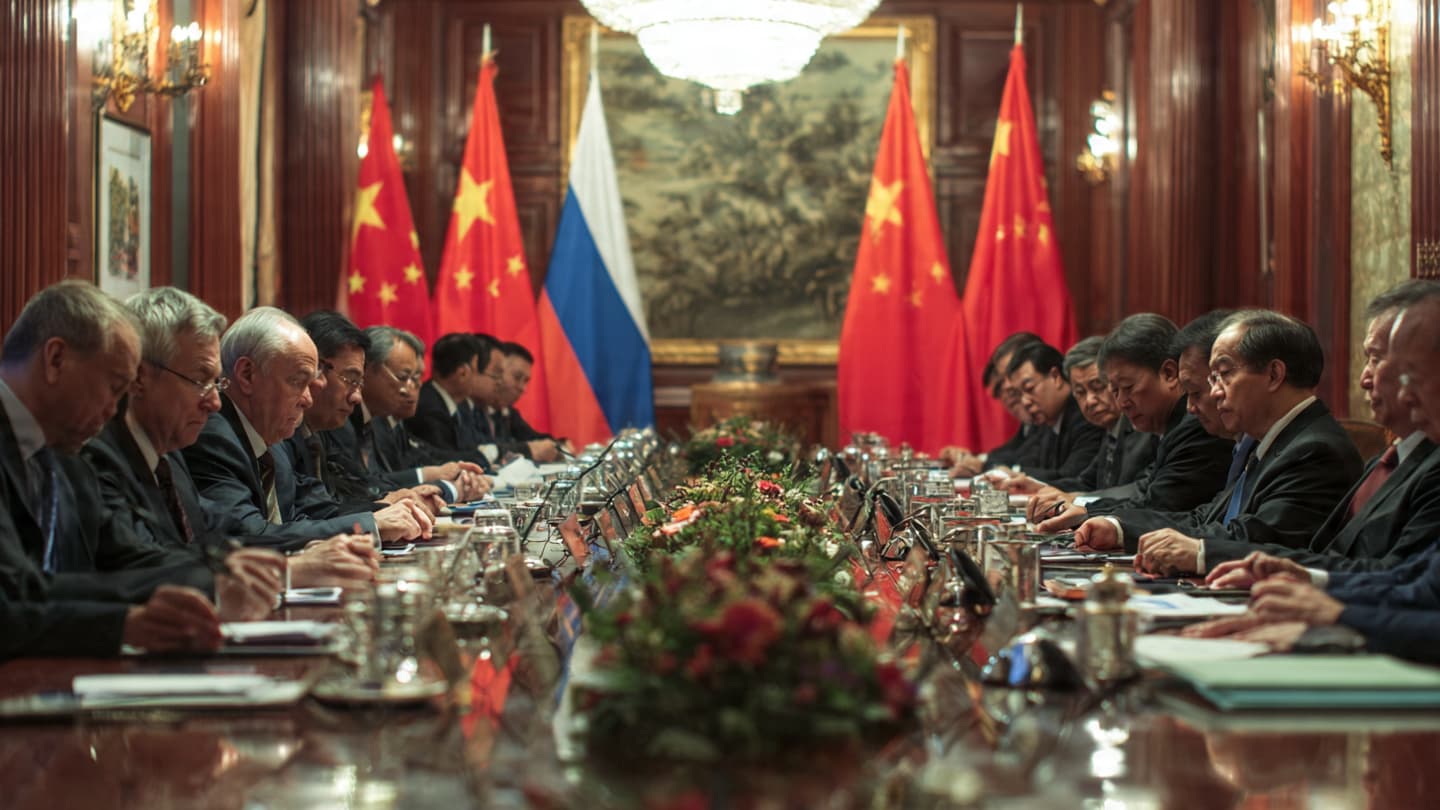
The imagery used in this article consists of AI-generated illustrations intended to complement geopolitical reporting themes.
Published by Banx Network. This article is part of the Banx decentralized media programme, powered by the BXE token on the XRP Ledger.



