In the pale quiet between dusk and night, when the first stars hover like lanterns over a drifting sea, there is a peculiar stillness that feels as though the world itself is pausing to consider its own motion. Along distant shorelines and in the great arc of global trade routes, night’s hush wraps around ports, refineries, and pipelines. These veins of modern life — conveyors of energy, goods, and warmth — rarely command our attention until they falter, and then, in their faltering, they reveal how quietly indispensable they are.
The war that has unfolded across the Middle East has not remained distant from these rhythms. In the span of weeks, disruptions to oil and liquefied natural gas flows have echoed far beyond the region’s borders, nudging prices upward, tightening markets, and prompting an uneasy dance among treasuries and supply chains. What begins as an attack on energy infrastructure — on refineries, pipelines, or shipping chokepoints — does not merely cut a physical line; it reverberates through the calendars of families, firms, and nations alike. The world, it turns out, is woven through more delicate filaments than many assumed.
In the corridors of finance and industry, analysts speak of these disruptions with terms that feel abstract yet carry real weight in everyday life: “supply shock,” “risk premia,” “inflation expectations.” Yet beneath that technical language lie moments familiar to anyone who watches gas prices at the pump, wonders at higher heating bills in late winter, or notices how a carton of milk seems to cost slightly more each week. The surge in energy costs — a consequence of interrupted supplies and heightened geopolitical risk — has seeped into food price forecasts, inflation indices, and the cautious forecasts that guide central banks and households alike.
In factory towns on distant continents, where furnaces must burn steadily and wheels must turn on schedule, the pulse of industry begins to feel the strain. Manufacturers pause new hiring, delay investments, and recalculate production plans when energy costs climb and materials become more expensive. In Europe’s industrial heartlands, companies have spoken in measured tones about “full crisis mode,” where the compounding effects of raw material scarcity and high fuel prices force hard decisions in boardrooms once full of optimism.
And farther east in Asia’s bustling ports and growing megacities, where energy demand is insatiable, economies built on imported fuels find themselves watching the balance of trade shift like sand beneath waves. There are no sudden ruptures in daily life here — no dramatic scene that snaps the eye — but in the subtleties of economic growth forecasts, currency valuations, and the somber assessments of central bankers, there lies a quiet acknowledgement that a distant conflict has become part of the region’s economic heartbeat.
What lies beneath these global motions is a deeper question about how modern civilization organizes its lifeblood. The infrastructure that hums and pulses with energy — whether beneath the ocean floor or interlaced through deserts — is both a marvel of human ingenuity and a vulnerability laid bare when political tensions translate into kinetic and logistical shocks. In these moments, the world is reminded that energy isn’t just a commodity; it is a connective tissue that binds the glow of urban windows at night to the quiet hum of industry and the simple turn of a key in a morning ignition.
As dawn breaks again — on a village by the sea, a refinery silhouetted against soft light, or a distant stock exchange just opening its doors — the first calculations of another day’s cost will begin. These are the arithmetic of renewal and maintenance, of paying for heat and transport, of saving and spending. They are the arithmetic of resilience and adaptation. And beneath the surface of those equations lies the unspoken truth that when energy falters, economies do not merely tremble; they reflect, adjust, and remember how deeply intertwined they are with places often out of sight but never truly out of mind.
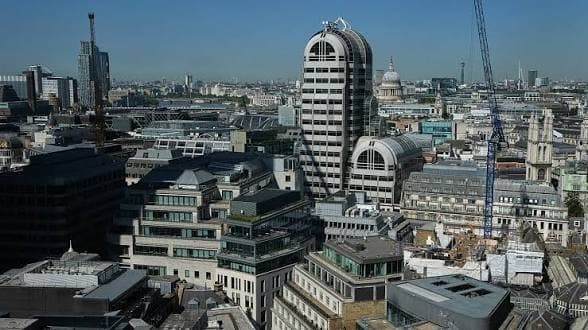
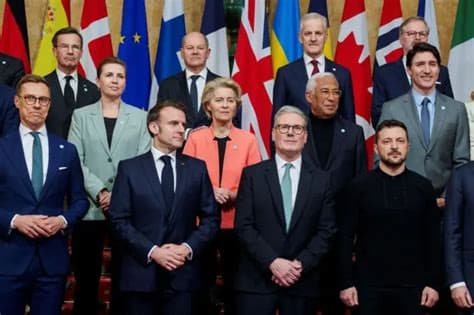
AI Image Disclaimer Visuals are AI‑generated and serve as conceptual representations.
Sources The New Yorker The Guardian Al Jazeera PBS NewsHour The Economist
Published by Banx Network. This article is part of the Banx decentralized media programme, powered by the BXE token on the XRP Ledger.